


Các chủ đề writing task 2 VSTEP phổ biến như: Education, Environment, Society, Technology, Health, Employment, Transportation, Culture, Economy, Law, Gender Equality, Media, Tourism, Energy, Agriculture, Security, Urbanization, Family, Globalization, Art
Tổng hợp 20 chủ đề writing task 2 VSTEP phổ biến
Bài viết cung cấp 20 đề bài của các chủ đề VSTEP Writing Task 2 phổ biến để người học luyện tập để chuẩn bị cho bài thi VSTEP.
Key takeaways
Trong bài thi VSTEP, các chủ đề writing task 2 VSTEP thường xoay quanh một số lĩnh vực quen thuộc như giáo dục, môi trường, xã hội hay công nghệ. Vì vậy, việc ôn luyện theo từng chủ đề đóng vai trò then chốt giúp người học nắm bắt cấu trúc lập luận, ý tưởng và từ vựng chuyên biệt. Khi chuẩn bị trước dàn ý và bộ từ vựng phù hợp, người học không chỉ tiết kiệm thời gian suy nghĩ khi làm bài mà còn tăng khả năng diễn đạt trôi chảy, mạch lạc. Bài viết dưới đây của Anh ngữ ZIM sẽ cung cấp cho người học 20 đề bài của các chủ đề writing task 2 VSTEP phổ biến để người học luyện tập để chuẩn bị cho bài thi VSTEP tốt nhất.
Chủ đề giáo dục (Education)
In many countries, there is a noticeable gap in the quality of education between urban and rural areas. Urban schools often benefit from modern facilities, advanced technology, and highly qualified teachers, while rural schools may face outdated classrooms, a lack of resources, and difficulties in attracting skilled staff. Some believe that governments should direct more funds and policies toward improving rural education to close this gap. Others argue that raising the overall national education standard is more important than focusing on specific regions.
To what extent do you agree or disagree?
Chủ đề môi trường (Environment)
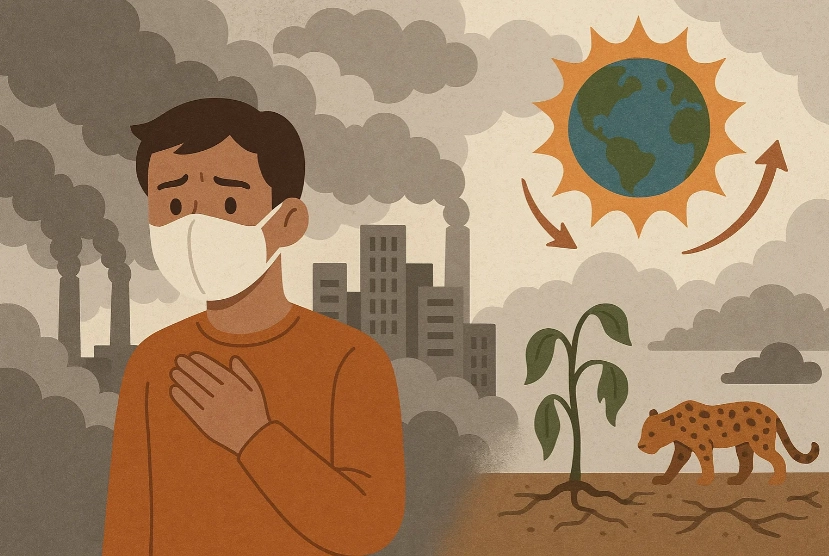
Environmental challenges such as air pollution, global warming, and the loss of biodiversity are becoming more serious every year. For example, in some cities, air quality regularly falls below safe levels, affecting public health. Some people argue that strict environmental laws, higher taxes on polluters, and strong government enforcement are necessary to address these problems. Others believe that individual actions, such as recycling and reducing energy use, can have a greater impact in the long run.
Discuss both views and give your own opinion.
Chủ đề xã hội (Society)
In many countries, traditional family structures and social relationships have undergone significant changes over the past few decades. Marriage rates are declining, more people are living alone, and work-life balance priorities are shifting. For example, urban professionals often choose to delay marriage or have fewer children in order to focus on career goals. Supporters of these changes argue that they give individuals more freedom and flexibility to shape their lives according to personal values. Critics, however, claim that such trends weaken community bonds and erode long-standing traditions.
Do the advantages of these social changes outweigh the disadvantages?
Chủ đề công nghệ (Technology)
Technological innovations have transformed almost every aspect of modern life, from communication and entertainment to education and business. While many celebrate the increased convenience and efficiency brought by devices and automation, others are concerned about job losses, data privacy, and the risk of overdependence on technology. Some even argue that constant exposure to digital devices harms social skills.
What are the positive and negative effects of this trend, and do you think the benefits outweigh the drawbacks?

Chủ đề sức khỏe (Health)
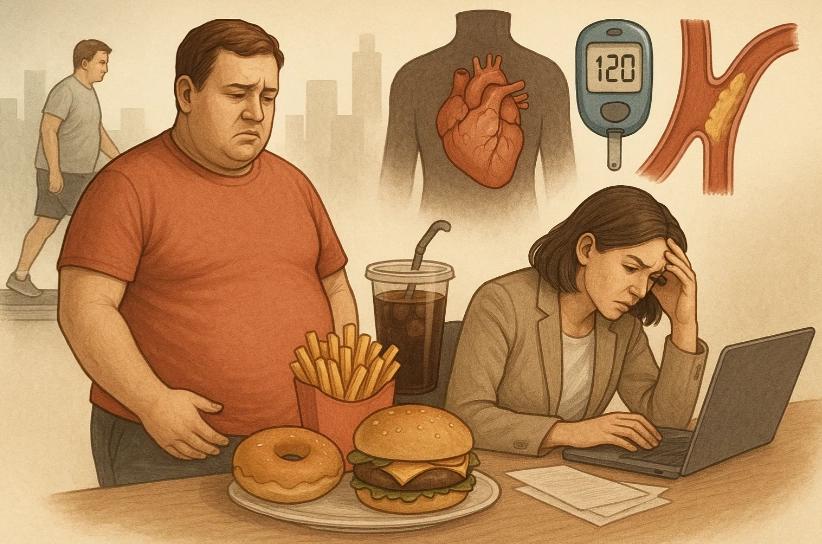
In many developed and developing countries, the number of people suffering from preventable diseases such as obesity, type 2 diabetes, and heart problems is rising. Unhealthy diets, sedentary lifestyles, and stressful work environments are often blamed for this situation. Some believe that governments should take a more active role by running health campaigns and regulating the food industry. Others argue that individuals must take personal responsibility for maintaining their health.
Discuss both views and give your opinion.
Đọc thêm: Tổng hợp 5 đề thi VSTEP Writing mẫu kèm giải chi tiết (2025)
Chủ đề việc làm (Employment)
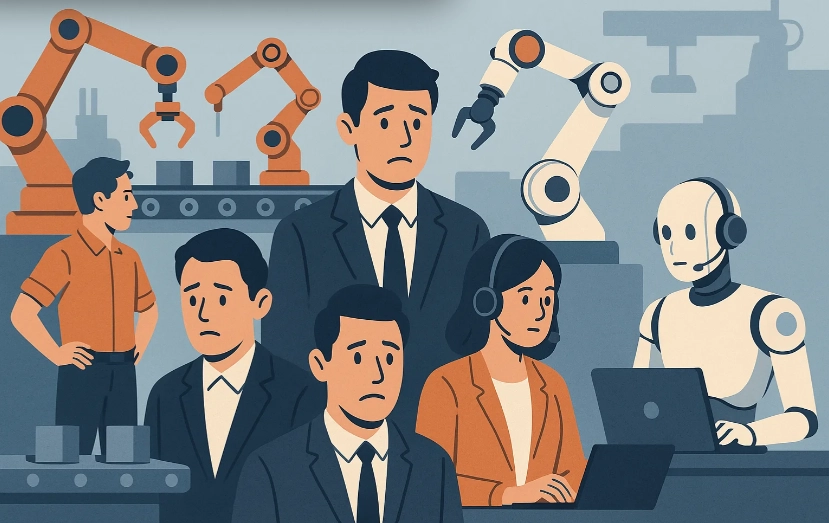
The rapid development of automation and artificial intelligence is changing job markets in industries ranging from manufacturing to customer service. Machines and algorithms can now perform tasks that once required human labor, such as assembling products or providing basic customer support. Some fear this will lead to mass unemployment, economic instability, and a widening wealth gap. Others believe technology will create new industries and job opportunities that we cannot yet imagine, ultimately benefiting society.
What is your opinion on this issue?
Chủ đề giao thông (Transportation)
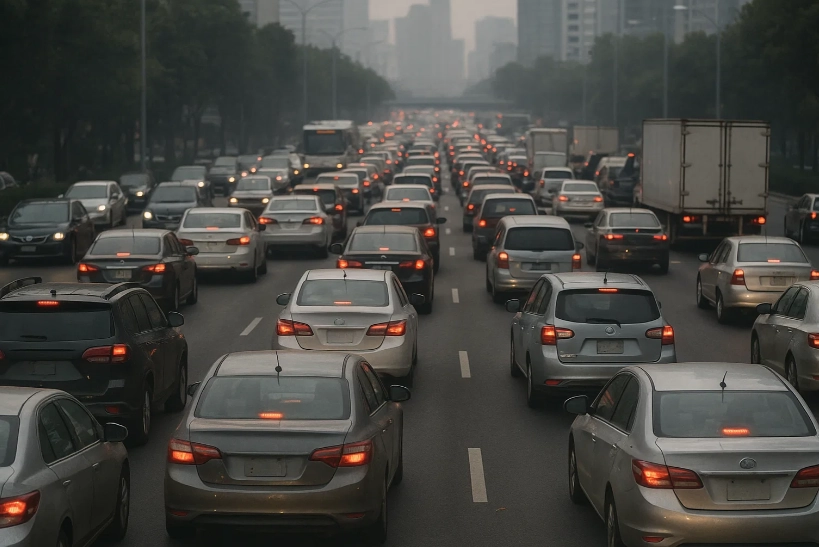
Traffic congestion is a serious problem in many major cities, causing air pollution, wasted time, and frustration for commuters. In some urban areas, rush-hour travel times can double due to overcrowded roads. Some people argue that the best solution is to invest heavily in public transport systems, such as metro networks, high-capacity buses, and cycling lanes, to encourage people to leave their cars at home. Others believe that expanding and improving road infrastructure for private vehicles is a more effective approach.
Discuss both views and give your opinion.
Biết các chủ đề thường gặp sẽ giúp bạn chuẩn bị ý tưởng tốt hơn, nhưng nếu chưa biết cách triển khai thành một bài viết hoàn chỉnh, bạn vẫn có thể gặp khó khăn khi vào phòng thi. |
|---|
Chủ đề văn hóa (Culture)
Globalization and modern media have made it easier for people to access music, films, and traditions from other countries. For example, international streaming platforms allow audiences to watch foreign shows instantly. Supporters say this cultural exchange promotes understanding, diversity, and creativity. However, critics warn that it may lead to the decline of local languages, customs, and traditions, threatening national identity over time.
Do you think the benefits of cultural exchange outweigh the disadvantages?
Chủ đề kinh tế (Economy)
In many developing nations, rapid economic growth has lifted millions of people out of poverty and improved infrastructure. For example, expanding industries and foreign investment have created new jobs and increased wages. However, critics point out that income inequality remains high, with much of the wealth concentrated among a small group of people. Some believe governments should address this issue through higher taxes on the wealthy and stronger welfare programs. Others argue that continuing to promote economic growth will benefit everyone in the long term.
Discuss both views and give your own opinion.
Chủ đề pháp luật (Law)
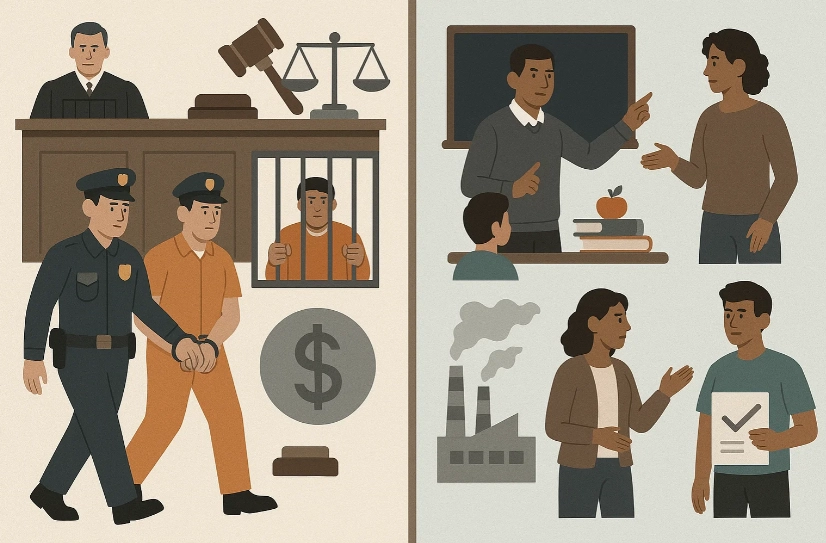
Countries take different approaches to reducing crime, ranging from strict punishment to preventive measures. Some believe that harsh laws, such as long prison sentences and heavy fines, deter people from committing crimes. For example, certain countries report lower crime rates after introducing tougher penalties. Others argue that tackling the root causes of crime - through better education, job opportunities, and rehabilitation programs - is more effective in creating long-term safety.
Discuss both views and give your opinion.
Chủ đề bình đẳng giới (Gender Equality)
Over recent decades, many countries have improved women’s access to education, careers, and leadership positions. Yet in some fields, women still face challenges such as unequal pay and limited promotion opportunities. For example, in certain industries, only a small percentage of top executives are female. Some believe targeted policies, like leadership quotas and mentoring programs, are necessary to close the gender gap. Others think men and women already have equal opportunities, and such measures are unnecessary.
To what extent do you agree or disagree?
Chủ đề truyền thông (Media)
The rise of online news platforms and social media has transformed how people access and share information. News can now reach audiences within seconds, often with images and videos from eyewitnesses. Supporters argue that this makes people more informed and encourages public engagement. However, others warn that it also allows misinformation and fake news to spread rapidly, which can mislead the public and create social division.
What are the advantages and disadvantages of this development?
Chủ đề du lịch (Tourism)
Tourism has become a key part of the economy in many countries, generating income, creating jobs, and promoting cultural exchange. For instance, popular tourist destinations often see a boom in local businesses such as hotels, restaurants, and shops. However, tourism can also lead to overcrowding, environmental damage, and rising living costs for local residents. Some believe the economic benefits outweigh these issues, while others think stricter controls are necessary to reduce negative impacts.
Do the benefits of tourism outweigh its drawbacks?
Chủ đề năng lượng (Energy)
As global populations and economies grow, energy demand continues to rise. Renewable energy sources like solar and wind power are seen as essential for a sustainable future, but many countries still rely heavily on fossil fuels for economic stability. For example, oil and coal remain primary energy sources in major economies due to their affordability and reliability. Some believe governments should focus investments on clean energy to combat climate change. Others argue that fossil fuels are still necessary for meeting current needs.
Discuss both views and give your own opinion.
Chủ đề nông nghiệp (Agriculture)
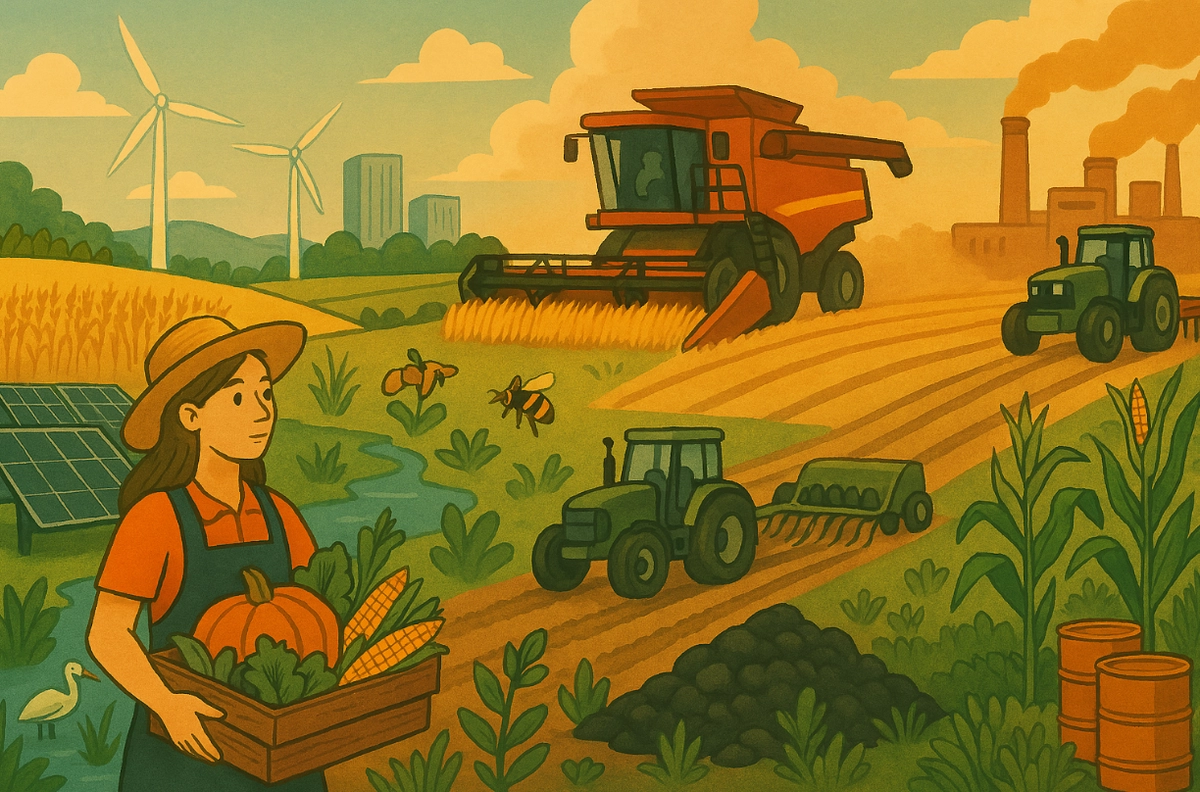
Advances in farming technology have dramatically increased food production, helping to feed a growing global population. For example, high-yield crops and automated machinery have boosted productivity in many countries. However, intensive farming methods can damage the environment, reduce soil quality, and harm biodiversity. Some believe the priority should shift to sustainable practices, even if it means producing less food. Others argue that maximizing output is essential to avoid shortages and keep food affordable.
Discuss both views and give your own opinion.
Chủ đề an ninh (Security)
To combat crime and terrorism, many cities have increased the use of surveillance cameras and advanced monitoring technologies in public areas. Supporters argue that these measures deter criminals, help solve cases faster, and make communities safer. For example, video footage has been used to identify suspects and prevent attacks. Opponents say constant surveillance invades privacy, encourages government overreach, and creates a culture of fear.
Do you think the benefits of increased surveillance outweigh the drawbacks?
Chủ đề đô thị hóa (Urbanization)
Rapid urbanization has transformed rural areas into large cities, bringing more job opportunities, modern infrastructure, and improved services. For example, access to healthcare and education often increases when people move to urban centers. However, this growth can also lead to overcrowding, housing shortages, traffic congestion, and environmental problems. Supporters see urbanization as a sign of progress, while critics warn that without careful planning, it can harm both people and the planet.
Discuss both the advantages and disadvantages of urbanization and give your opinion.
Chủ đề gia đình (Family)
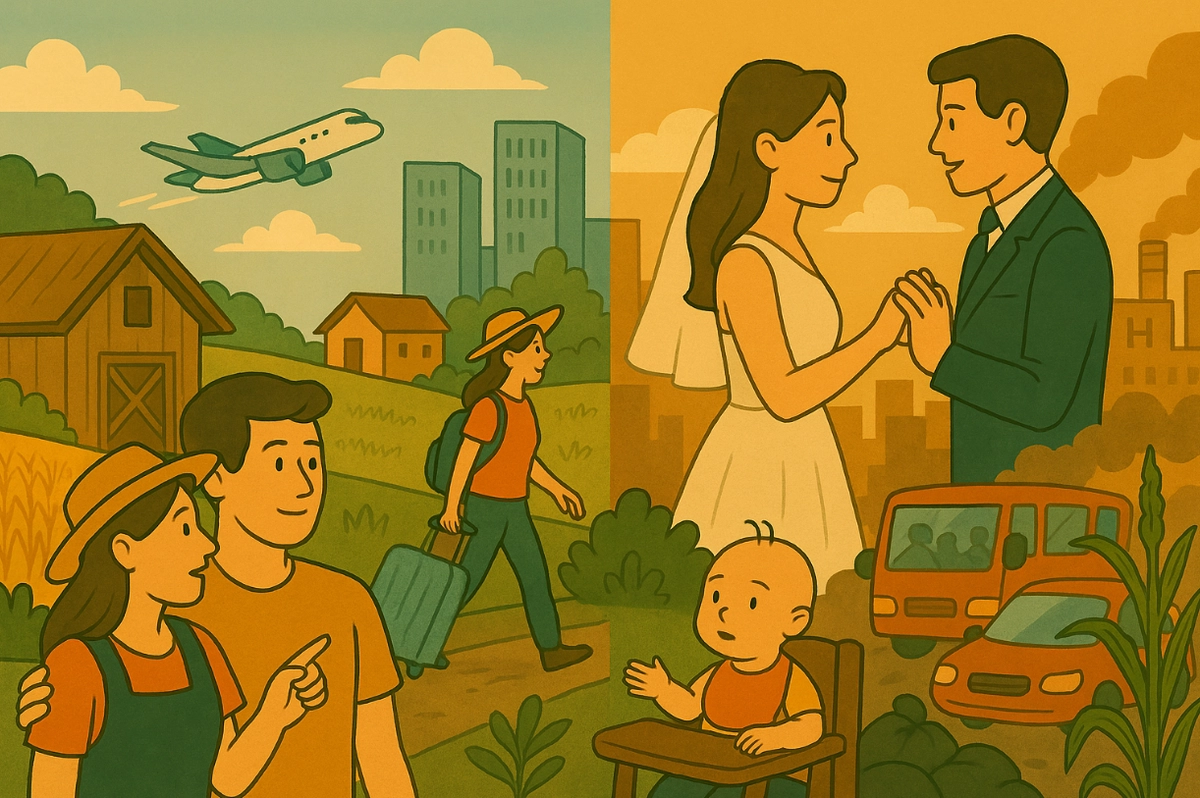
Many young people today choose to marry later and have fewer children than in previous generations. This trend is often linked to a desire for personal freedom, career development, and financial security. For instance, young professionals may focus on buying a home or traveling before starting a family. Supporters believe this leads to greater life satisfaction and stability. Critics, however, worry it may contribute to population decline and weaken traditional family bonds.
Do the advantages of this trend outweigh the disadvantages?
Chủ đề toàn cầu hóa (Globalization)
Globalization has connected nations through trade, technology, and travel, making it easier for goods, ideas, and people to cross borders. Supporters claim it boosts economic growth, promotes cultural exchange, and fosters international cooperation. For example, multinational companies can bring jobs and investment to developing countries. Critics warn that globalization can increase inequality, erode local cultures, and make economies dependent on foreign markets.
Discuss both views and give your own opinion.
Chủ đề nghệ thuật (Art)
Some people believe that governments should financially support the arts, such as music, theatre, and visual arts, because they enrich cultural life and inspire creativity. For example, public funding can make exhibitions and performances accessible to more people. Others argue that limited public money should be spent on essential services like healthcare, education, and infrastructure instead.
To what extent do you agree or disagree?
Đọc thêm:
Tổng kết
Bài viết trên của Anh ngữ ZIM đã cung cấp cho người học 20 đề bài của các chủ đề writing task 2 VSTEP phổ biến. Việc luyện viết theo từng nhóm chủ đề giúp người học mở rộng vốn từ vựng chuyên sâu, rèn kỹ năng lập luận và phát triển ý tưởng phù hợp với từng bối cảnh. Đồng thời, thói quen tiếp cận đa dạng chủ đề giúp tăng khả năng phản xạ khi gặp đề mới, đảm bảo bài viết vừa mạch lạc vừa giàu dẫn chứng thực tế, từ đó người học sẽ cải thiện rõ rệt chất lượng bài thi và nâng cao điểm số.
Người học mong muốn nâng cao kỹ năng tiếng Anh và vượt qua kỳ thi VSTEP sẽ tìm thấy giải pháp toàn diện tại Khóa học VSTEP của Anh Ngữ ZIM. Với hệ thống đào tạo đa dạng từ cấp độ A1 đến C1, chương trình cung cấp giải pháp toàn diện phát triển 4 kỹ năng ngôn ngữ, giúp thí sinh chinh phục kỳ thi VSTEP một cách hiệu quả. Liên hệ Hotline 1900-2833 (nhánh số 1) để được tư vấn chi tiết về lộ trình học phù hợp.
Tham vấn chuyên môn
Việc giảng dạy không chỉ đơn thuần là trình bày thông tin mà còn khiến chúng trở nên dễ hiểu và khơi dậy sự tò mò ở người học. Bằng cách lấy người học là trung tâm, tôi mong muốn có thể biến những khái niệm phức tạp trở nên đơn giản, và truyền tải kiến thức theo những cách phù hợp với nhiều người học khác nhau.
Bình luận - Hỏi đáp