


Chủ đề IELTS Speaking Part 3: Friendship and Age.
Bài mẫu cho các nhóm câu hỏi:
Where do children make new friends?
Do children find it easy to make friends?
Friendship with a significant age difference?
Harder to maintain friendships when getting older?
Why do friends argue more as they grow older?
Nhóm từ vựng trọng tâm (Topic Vocabulary):
Making Friends, Age & Differences, và Adulthood & Conflict.
Bài mẫu IELTS Speaking Part 3 topic Friendship and Age kèm từ vựng
Bài viết cung cấp các câu trả lời mẫu cho IELTS Speaking Part 3 (Friendship and Age) theo định hướng cá nhân hóa, được chia thành hai cấp độ: Simple Answer (tập trung phản xạ và độ trôi chảy) và Upgraded Answer (nâng cấp từ vựng, ngữ pháp). Đi kèm với mỗi câu trả lời là file audio hỗ trợ luyện phát âm chuẩn xác. Ngoài ra, phần phân tích chi tiết sẽ giúp người học hệ thống hóa từ vựng, khắc phục lỗi ngữ pháp và linh hoạt áp dụng vào các chủ đề tương tự.
Key takeaways
Bài viết sau đây sẽ cung cấp các câu trả lời mẫu theo khung sườn tư duy (Simple Answer) cùng các thử thách nâng cấp (Upgraded Answer) về cả ý tưởng, từ vựng và ngữ pháp để người học lựa chọn được câu trả lời phù hợp với bản thân, sẵn sàng cho các tình huống trong phòng thi. Bài phân tích này sẽ dẫn dắt người học đi qua chủ đề Friendship and Age, từ những cơ hội kết nối tự nhiên thời thơ ấu nhờ có cùng sở thích (bond over shared interests) cho đến các rào cản gắn kết ở tuổi trưởng thành do áp lực từ trách nhiệm gia đình (family commitments) hay lịch trình công việc hoàn toàn lệch pha (completely different schedules), giúp người học chinh phục giám khảo bằng sự mạch lạc và ngôn ngữ tự nhiên.
IELTS Speaking Part 3: Friendship and Age
Simple answer
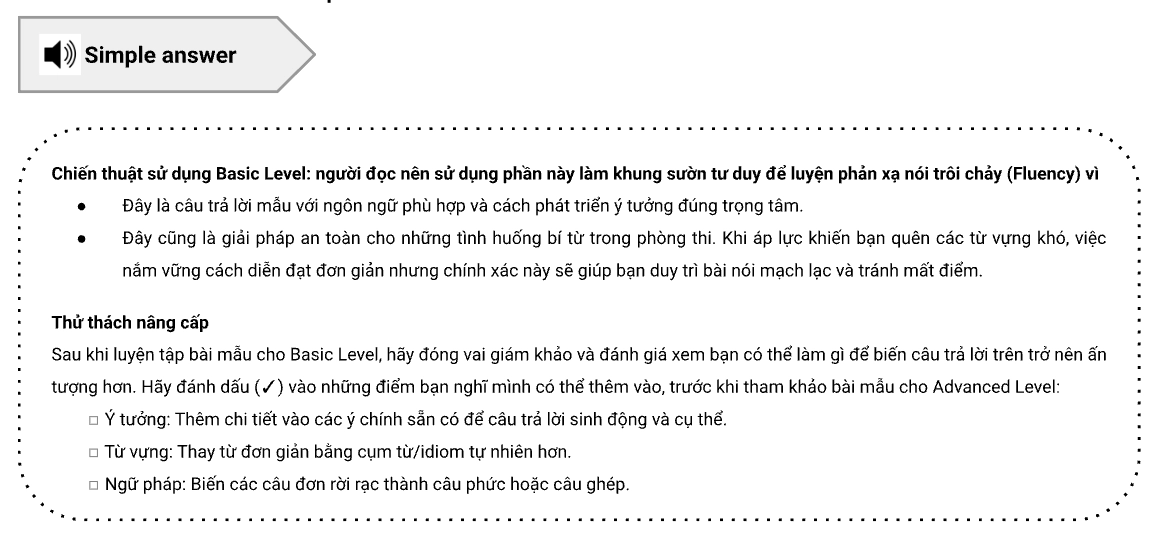
1. Where do children usually make new friends?
|
Children usually make new friends at school, in their neighbourhood, or during after-school activities. These places give them many chances to meet people of the same age and spend time together. For example, a child may become friends with a classmate after working on a school project or playing together during break time. So, children usually make friends in places where they see the same people regularly. |
2. Do you think children find it easy to make friends? Why or why not?
|
Yes, I think many children find it quite easy to make friends. They are usually open, curious, and willing to talk to new people. For example, two children may start playing together and become friends very quickly, even if they have just met. Of course, shy children may need more time. So overall, making friends is often easier for children than for adults. |
3. Can people with a significant age difference become close friends? Why or why not?
|
Yes, I think they can. Age is not always the most important thing in a friendship because people can still have similar interests, values, or personalities. For example, a younger person and an older colleague may become close because they enjoy the same hobbies and understand each other well. So, a large age difference does not necessarily stop people from becoming good friends. |
4. Do friendships become more difficult to maintain as people get older?
|
Yes, I think friendships can become harder to maintain as people get older. Adults often have more responsibilities, such as work, family, and personal commitments, so they have less free time to meet friends. For example, two close friends may live in different cities and only see each other a few times a year. So, older people often need to make more effort to keep friendships strong. |
5. Why do friends sometimes argue more as they grow older?
|
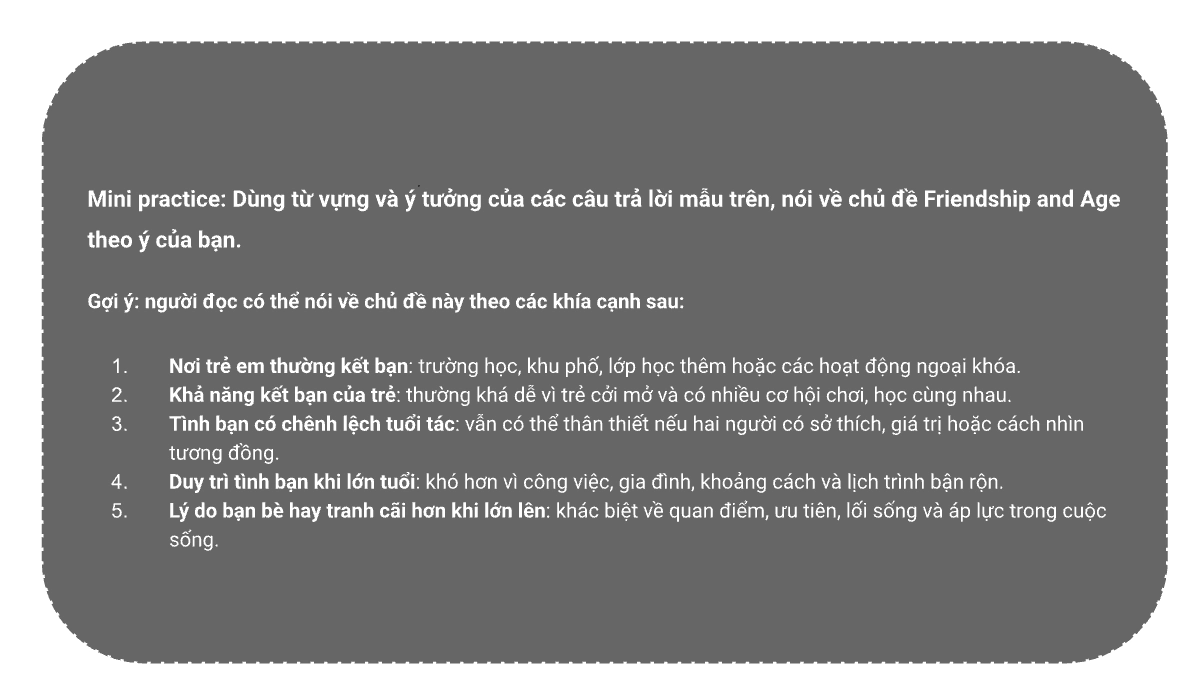
Friends may argue more as they grow older because their opinions, lifestyles, and priorities can become different. For example, one person may focus on work while another may care more about family or social life, which can cause misunderstandings. They may also become more independent and more confident about expressing their own views. So, differences in priorities and opinions can sometimes create more conflict between friends. |
Tham khảo: Tổng hợp bài mẫu IELTS Speaking 2026
Upgraded answer
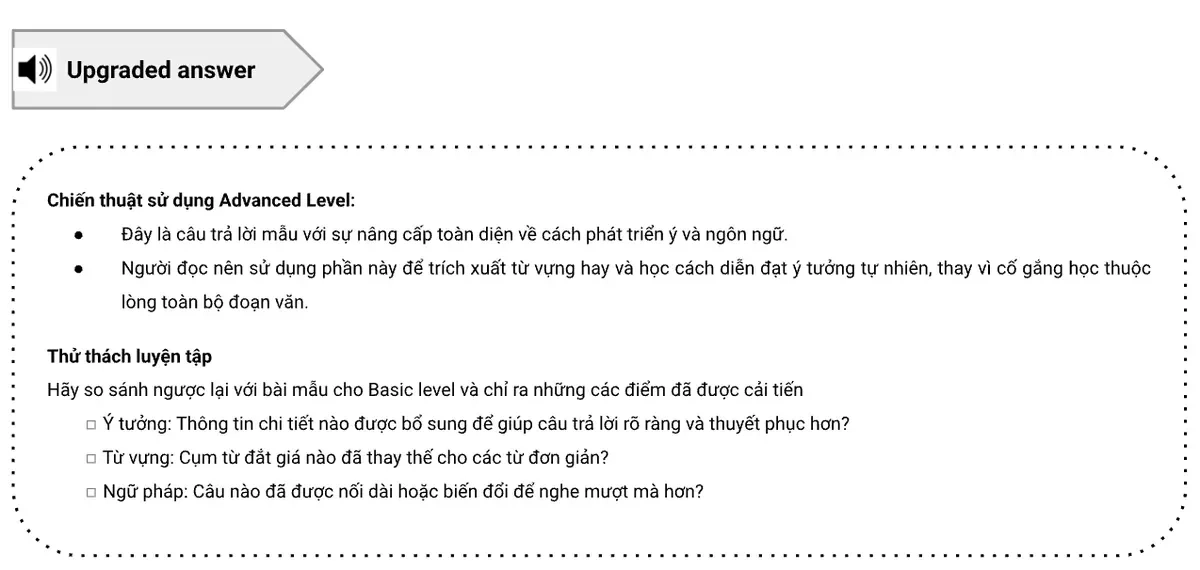
1. Where do children usually make new friends?
|
Well, children usually make new friends at school, in their neighbourhood, or through extracurricular activities. These places give them regular opportunities to meet people of a similar age and spend time together. For example, a child may become friends with a classmate after working on a group project, playing sports, or sitting next to them in class. On top of that, children often make friends quite naturally because they tend to bond over simple shared interests, such as games, cartoons, or hobbies. So overall, they usually form friendships in places where they interact with the same people on a regular basis. |
2. Do you think children find it easy to make friends? Why or why not?
|
Yes, in many cases, I think children find it relatively easy to make friends. They are usually more open-minded, curious, and less worried about making a good impression than adults. For example, two children may start talking while playing a game and become friends within a very short time. That said, not every child finds it easy, because shy or socially anxious children may need more time to feel comfortable around others. Even so, I think children generally form friendships more naturally because they spend so much time learning, playing, and doing activities together. |
3. Can people with a significant age difference become close friends? Why or why not?
|
Yes, definitely. I think people with a large age gap can still become close friends if they share similar interests, values, or attitudes towards life. For example, a younger employee may become good friends with an older colleague because they enjoy the same hobbies and can learn from each other’s experiences. On the other hand, a big age difference can sometimes create differences in lifestyle or priorities. Even so, if both people respect and understand each other, age does not have to be a barrier to friendship. |
4. Do friendships become more difficult to maintain as people get older?
|
Yes, I think friendships often become more difficult to maintain as people get older. Adults usually have more responsibilities, such as demanding jobs, family commitments, and other personal obligations, so they may not have as much free time as they used to. For example, two close friends may move to different cities, start families, or have completely different schedules, which makes it harder to meet regularly. On top of that, people’s priorities may change over time. So, maintaining a close friendship in adulthood usually requires more effort, communication, and understanding from both sides. |
5. Why do friends sometimes argue more as they grow older?
|
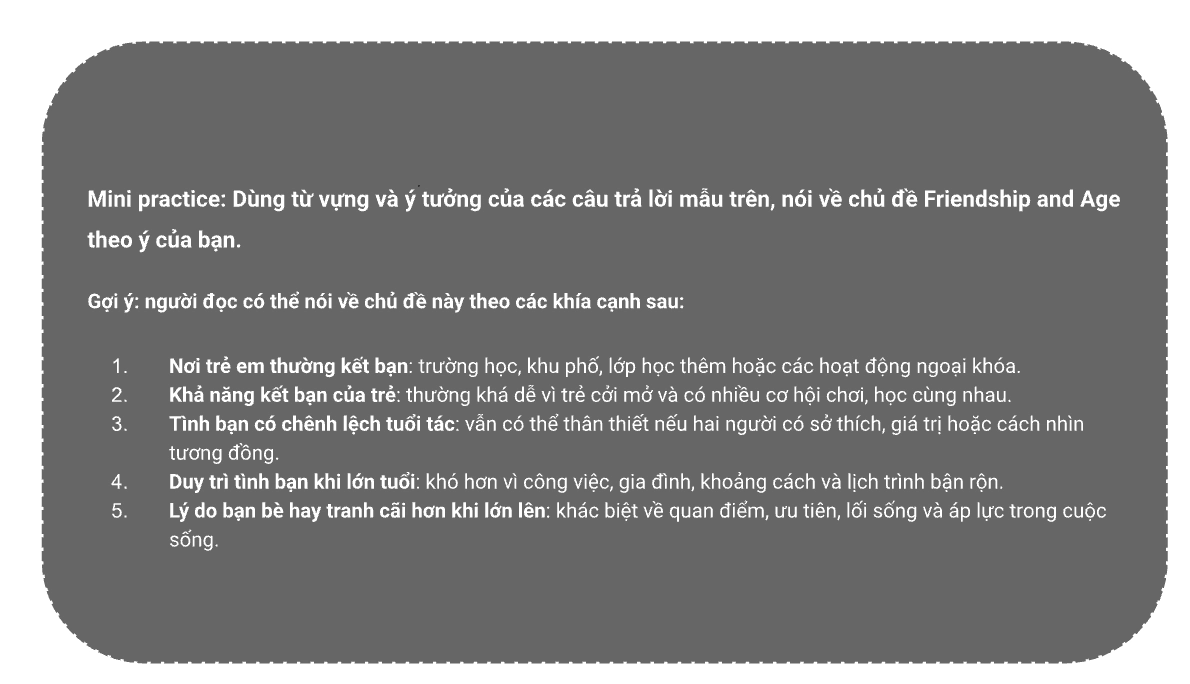
I think one reason is that people develop stronger opinions and clearer personal values as they grow older. This means friends may disagree more about important issues such as careers, relationships, money, or lifestyle choices. For example, one person may prioritise work, while another may believe family life should come first, and this difference can sometimes lead to arguments. In addition, adults often face more stress and responsibilities, which can make them less patient or more sensitive during disagreements. That said, arguments do not always damage a friendship. If both people communicate honestly and are willing to compromise, disagreements can sometimes help them understand each other better. |
Xem thêm: Ứng dụng Logical Reasoning trong cách trả lời IELTS Speaking Part 3
Lọc và phân tích từ vựng
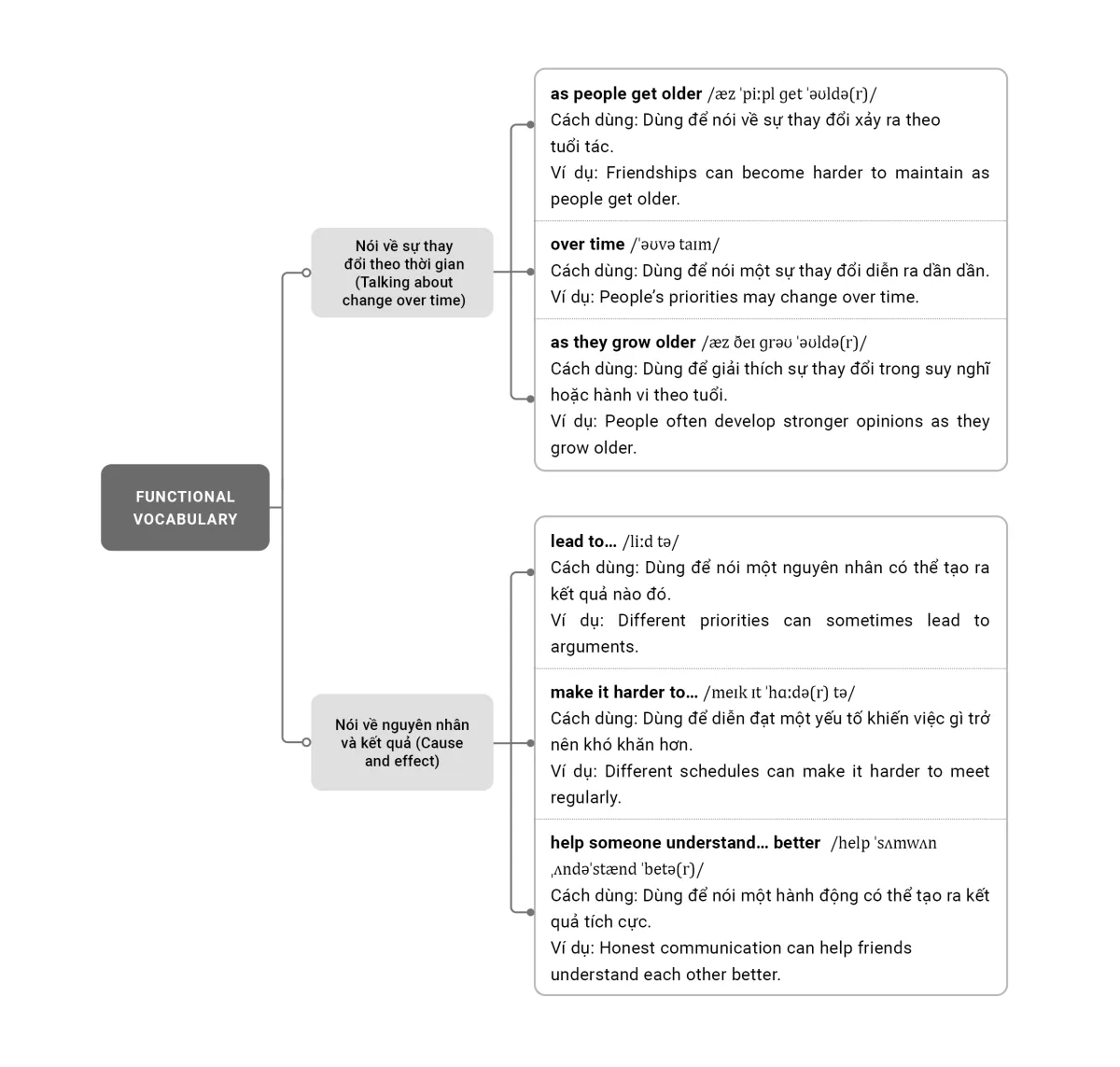
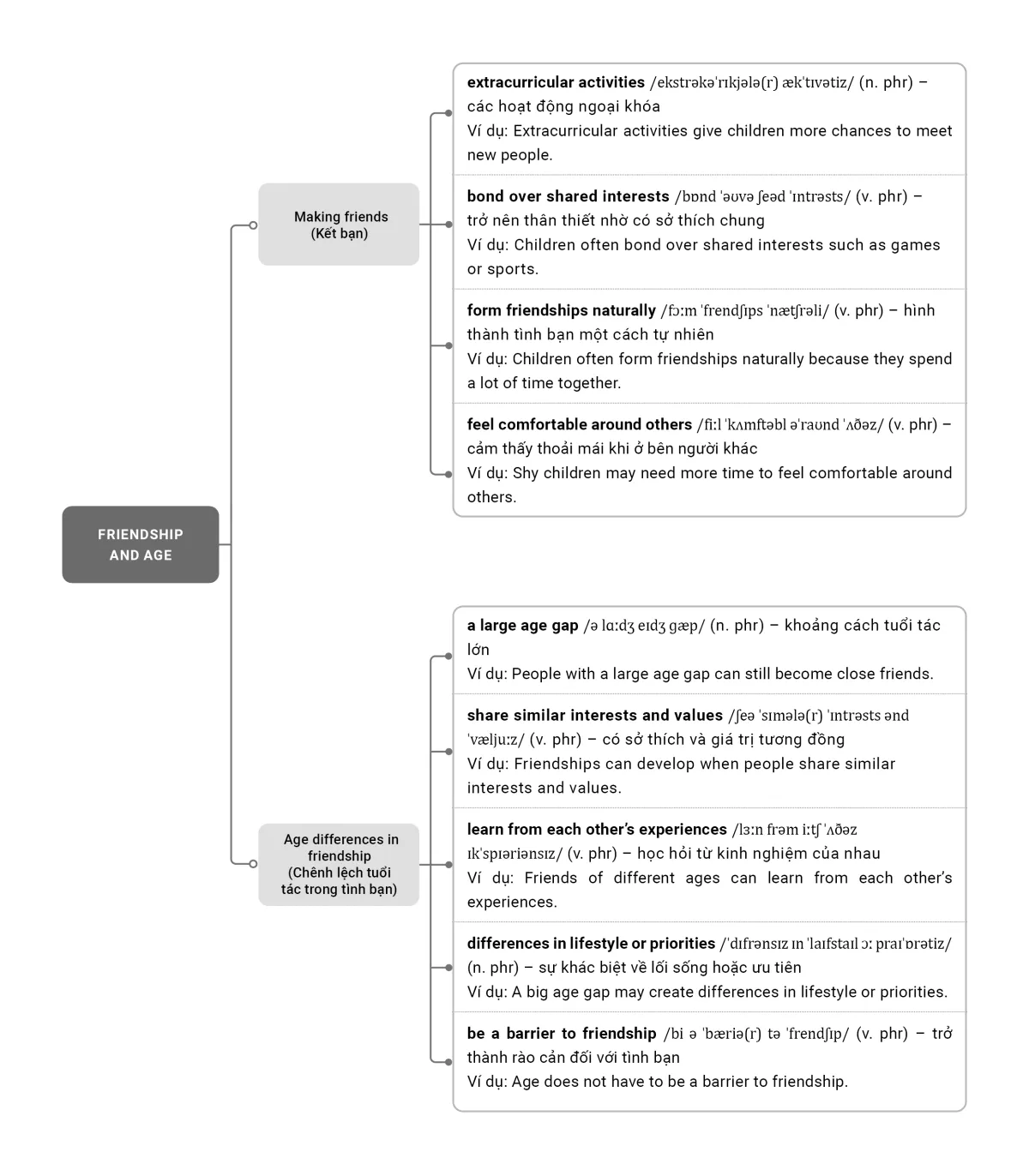

Nhật ký Từ vựng & Ý tưởng
Ghi chú sau khi luyện tập nói về chủ đề trên
Từ vựng/Ý tưởng (Chọn các từ vựng/ý tưởng mà bạn tâm đắc nhất) | Kỉ niệm cá nhân (Gán các từ vựng/ý tưởng đã chọn với kỉ niệm của bản thân) |
|---|---|
Ví dụ: bond over shared interests – trở nên thân thiết nhờ có sở thích chung | Người đọc tự đặt các câu hỏi cho bản thân, ví dụ:
→ I usually make new friends at school or through shared activities. I think people can bond over shared interests quite naturally, even if they have a large age gap. As I have grown older, I have realised that friendships can be harder to maintain because people have different schedules and priorities. However, I think good friendships can still stay strong if both people communicate honestly and are willing to compromise. |
Khoảng trống diễn đạt (Phần khiến bạn ngập ngừng khi nói về chủ đề trên) | Giải pháp (Giải pháp cho các khoảng trống diễn đạt) | ||
|---|---|---|---|
Ví dụ:
| Ví dụ: Dùng từ điển của ZIM hoặc chép các cách diễn đạt từ bài mẫu ở các phần trên để có được cụm từ mà bạn cần. → Thay vì chỉ nói become friends because they like the same things → dùng bond over shared interests / share similar interests and values |
Người đọc có thể tìm từ vựng bằng từ điển ZIM Dictionary.
Các lỗi ngữ pháp/từ vựng thường gặp
1. Dùng sai “as + clause” khi nói về sự thay đổi theo thời gian
❌ Lỗi thường gặp:
As people getting older, their priorities may change.
As people are older, friendships become harder to maintain.
✅ Cách dùng đúng:
as + S + V
as people get/grow older
✔ Câu đúng:
As people get older, their priorities may change.
As people grow older, friendships may become harder to maintain.
📌 Lý do sai:
Sau “as” cần một mệnh đề hoàn chỉnh. Khi nói về quá trình già đi, dùng get older / grow older tự nhiên hơn “are older”.
2. Dùng sai cấu trúc “lead to + noun/V-ing”
❌ Lỗi thường gặp:
Different priorities can lead to friends argue.
Stress may lead people to having more arguments.
✅ Cách dùng đúng:
lead to + noun
lead to + V-ing
lead + someone + to V
✔ Câu đúng:
Different priorities can lead to arguments.
Stress may lead to friends arguing more often.
📌 Lý do sai:
Trong “lead to”, “to” là giới từ nên sau đó dùng danh từ hoặc V-ing.
3. Dùng sai cấu trúc “the older…, the more…”
❌ Lỗi thường gặp:
The more older people get, the more difficult friendships become.
The older people get, friendships become more difficult.
✅ Cách dùng đúng:
the + comparative…, the + comparative…
✔ Câu đúng:
The older people get, the more difficult friendships can become.
The busier people become, the harder it may be to maintain close friendships.
📌 Lý do sai:
Cấu trúc tương quan phải có hai vế the + comparative. Không dùng “more older” vì “older” đã là dạng so sánh hơn.
Mini practice |
|---|
Dùng đúng cấu trúc trong ngoặc
|
Các chủ đề liên quan
Chủ đề liên quan để sử dụng từ vựng & ý tưởng:
Childhood friendships (Tình bạn thời thơ ấu)
Adult relationships (Các mối quan hệ khi trưởng thành)
Generational differences (Sự khác biệt giữa các thế hệ)
Người đọc có thể sử dụng:
Từ vựng: make new friends, bond over shared interests, form friendships naturally, a large age gap, share similar interests and values, maintain a friendship, family commitments, personal obligations, lead to arguments, be willing to compromise ...
Ý tưởng:
Trẻ em thường dễ kết bạn vì thường xuyên học, chơi và tham gia hoạt động cùng nhau.
Những người chênh lệch tuổi tác vẫn có thể trở thành bạn thân nếu có sở thích và giá trị tương đồng.
Tình bạn khi trưởng thành thường khó duy trì hơn vì công việc, gia đình và lịch trình bận rộn.
Sự khác biệt về quan điểm, lối sống và ưu tiên có thể dẫn đến tranh cãi.
Tình bạn bền vững cần sự giao tiếp, thấu hiểu và sẵn sàng thỏa hiệp từ cả hai phía.
Mini practice |
|---|
Sử dụng từ vựng và ý tưởng ở trên để trả lời các câu hỏi sau:
|
Hy vọng rằng qua việc phân tích hai cấp độ trả lời từ Simple Answer để đảm bảo sự trôi chảy đến Upgraded Answer để ghi điểm ấn tượng, bạn đã nắm vững được lộ trình để chinh phục chủ đề Friendship and Age (Part 3). Bằng cách cá nhân hóa các câu trả lời thông qua "Nhật ký Từ vựng & Ý tưởng", bạn sẽ xây dựng được sự tự tin. Đừng quên thực hành các bài tập nhỏ (mini practice) để khắc phục những lỗi ngữ pháp thường gặp và làm chủ ngôn ngữ của mình nhé!
Nếu bạn muốn nâng cao kỹ năng IELTS Speaking theo lộ trình cá nhân hóa, Hệ thống giáo dục ZIM cung cấp các khóa luyện thi IELTS cam kết đầu ra, giúp bạn tối ưu hiệu quả học tập và tiết kiệm đến 80% thời gian tự học. Để được tư vấn chi tiết, vui lòng liên hệ hotline 1900-2833 (nhánh 1) hoặc truy cập Khóa học IELTS.
Nguồn tham khảo
1
“Bài mẫu IELTS Speaking Part 3.” OpenAI, https://chatgpt.com/share/e/6961b6c8-4368-8002-995c-cd65b4729b18. Accessed 1 September 2026.
Bình luận - Hỏi đáp