


Chủ đề từ vựng: Relationships, psychology, human behavior, community
Ngữ pháp:
Hiện tại đơn
Hiện tại tiếp diễn
Hiện tại hoàn thành
Hiện tại hoàn thành tiếp diễn
Quá khứ đơn
Quá khứ tiếp diễn
Quá khứ hoàn thành
Quá khứ hoàn thành tiếp diễn
Key takeaways
Chủ đề từ vựng: Relationships, psychology, human behavior, community
Ngữ pháp:
Hiện tại đơn
Hiện tại tiếp diễn
Hiện tại hoàn thành
Hiện tại hoàn thành tiếp diễn
Quá khứ đơn
Quá khứ tiếp diễn
Quá khứ hoàn thành
Quá khứ hoàn thành tiếp diễn
Grammar and vocabulary for IELTS Reading (Level 1) - Unit 6: Human and Society tập trung phát triển năng lực đọc hiểu thông qua hai nội dung chính: từ vựng học thuật theo chủ đề "Con người và xã hội" và các thì trong tiếng Anh – đặc biệt là các thì hiện tại và quá khứ. Đây là những yếu tố ngữ pháp cốt lõi thường xuất hiện trong bài thi IELTS Reading, giúp người học xác định thông tin, phân biệt mốc thời gian và nắm bắt ý chính của đoạn văn. Unit 6 sẽ hỗ trợ người học xây dựng nền tảng vững chắc để hướng tới mục tiêu band điểm 5.5–6.5. thông tin, hiểu cách diễn đạt lại ý (paraphrasing) và cải thiện độ chính xác trong quá trình đọc hiểu.
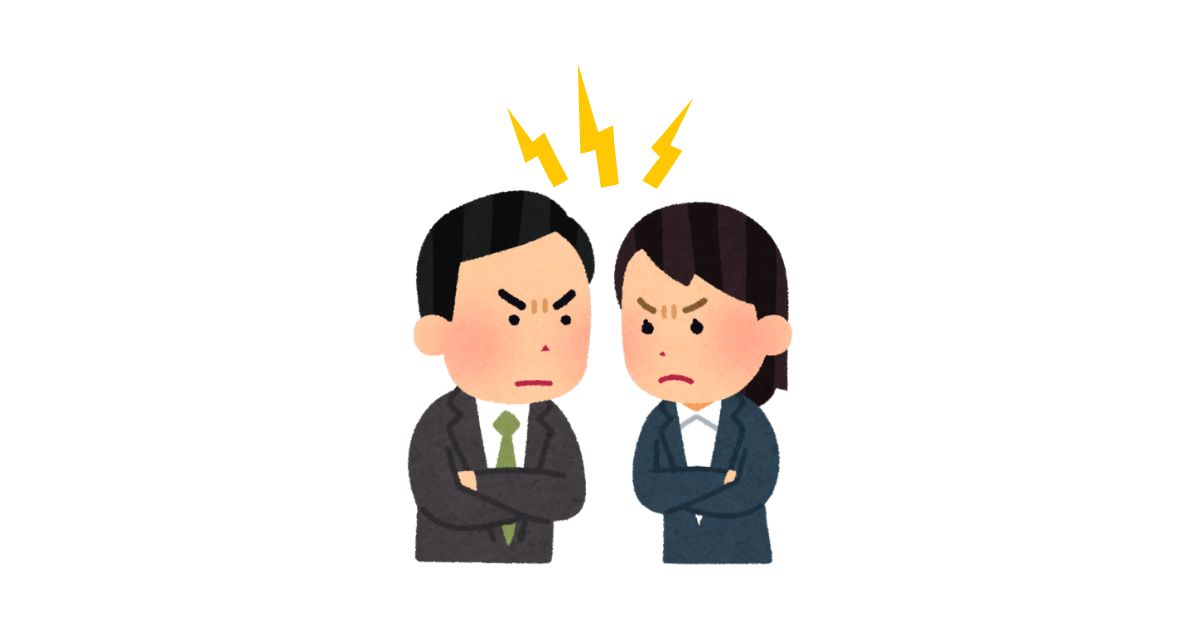
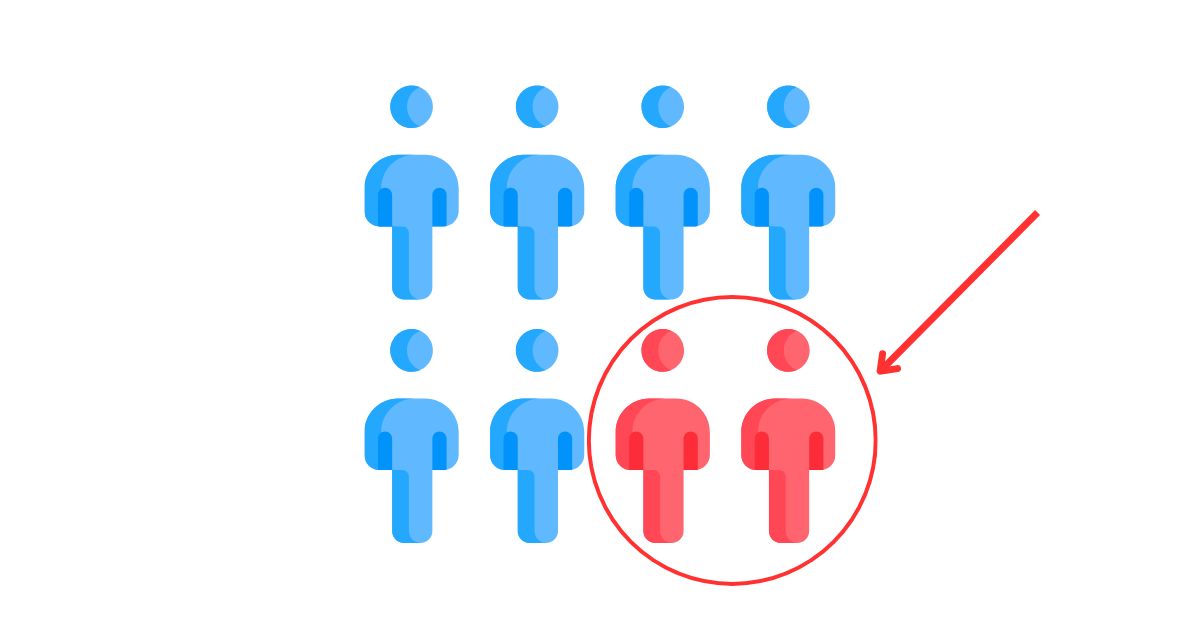
Bài 1. Nối từ với hình ảnh tương ứng
ethnic group
tension
citizen
concern
minority
globe
justice
homeless
a.

b.

c.

d.

e.
f.

g.
h.

Bài 2. Hoàn thành các câu dưới đây với từ vựng trong bảng
racism | gender | mixed | interact | issue | anxiety | racial violence |
|---|
Many people still face __________ in the workplace because of their skin colour.
Social media allows us to __________ with people from around the world.
The protest was organised in response to recent cases of __________ in the city.
In some cultures, traditional __________ roles are changing rapidly.
Moving to a new city alone can cause a lot of __________, especially in young people.
Education about diversity helps students from __________ backgrounds feel included.
Homelessness is a serious social __________ that affects thousands every year.
Bài 3. Đọc đoạn văn và chọn đúng nghĩa của từ in đậm
In today's world, people use social media to maintain their connection with friends and family. While these platforms offer constant interaction, they sometimes make people feel distant in real life. A strong relationship requires trust and time, not just likes or comments.
Both adolescents and the elderly use social media, but their experiences can be different. Teenagers often feel pressure to fit in, while older adults may enjoy staying informed. However, too much screen time can lead to social isolation, where people avoid real-world contact. In this state, individuals might struggle to have deep conversations or make new friends.
Feeling left out or ignored can make someone feel depressed, especially if they compare themselves to others online. These emotional changes are often associated with negative online experiences. Even when people are surrounded by others online, it doesn’t always mean they feel understood. Using common sense, such as setting limits and having face-to-face time, can improve our well-being.
1. connection
A. A strong emotional or social link
B. A tool to fix broken devices
2. interaction
A. A technical process in an app
B. Communication between people
3. relationship
A. A meaningful bond between people
B. A short meeting with someone
4. adolescent
A. A person in their teenage years
B. An adult over 30
5. elderly
A. People aged 65 or older
B. Children under 12
6. social isolation
A. Being quiet in a group
B. Lack of real social contact
7. state
A. A government region
B. A temporary condition or situation
8. depressed
A. Feeling unhappy or hopeless
B. Being very tired after work
9. associated with
A. Caused by weather
B. Connected to something
10. surrounded
A. Moving from one place to another
B. Having people or things all around
11. common sense
A. Basic good judgment
B. Scientific knowledge from books
Bài 4. Áp dụng những từ in đậm ở bài 3 để hoàn thiện đoạn hội thoại
Anna: I’ve been reading about how social media affects mental health. It’s interesting how it changes the way we form a real (1) __________ with others.
Ben: Totally. Online (2) __________________ is useful, but it doesn’t always lead to strong bonds.
Anna: Especially for an (3) __________________ who’s trying to find their place in the world.
Ben: And the same goes for the (4) __________________. They often feel left out when technology moves too fast.
Anna: Yeah, I read that too much screen time can even lead to (5) __________________, when people avoid face-to-face contact.
Ben: Exactly. And once someone is in that kind of emotional (6) __________________, it can be hard to get out of it.
Anna: They might even become (7) __________________if they feel like no one truly listens.
Ben: That feeling is often (8) __________________ poor online habits and comparing yourself to others.
Anna: Even if you're constantly (9) __________________ by people online, it doesn't mean you're truly connected.
Ben: Sometimes, we just need to use a little (10) __________________ like turning off our phones and having a real conversation.
Anna: That’s true. At the end of the day, we all need that human (11) __________________ to feel like we belong.
Xem thêm: Cách làm các dạng bài IELTS Reading hiệu quả ăn trọn điểm
a. Hiện tại đơn
Cấu trúc
Cấu trúc | Ví dụ | |
|---|---|---|
Thể khẳng định | S + V (s/es) | Many teenagers feel disconnected despite frequent online interaction. |
S + am/is/are + bổ ngữ | Social isolation is a major issue in aging populations. | |
Thể phủ định | S + do/does not + V | Urban residents often do not interact with their neighbors due to busy lifestyles. |
S + am/is/are + bổ ngữ | She is not part of any specific ethnic group. | |
Câu hỏi Yes/No | Do/Does + S + V? | Do citizens around the globe care about racial violence? |
Am/Is/Are + S + bổ ngữ? | Are the elderly more likely to suffer from social isolation? | |
Câu hỏi Wh | Wh-word + do/does + S + V? | How do citizens across the globe interact in times of crisis? |
Wh-word + am/is/are + S + complement? | What is the current state of racial justice in your country? |
Cách sử dụng
nói về thói quen thường xuyên hoặc hành động lặp đi lặp lại
Ví dụ: Many adolescents spend hours on social media every day to maintain their social connections.
nói về những tình huống mang tính lâu dài hoặc cố định
Ví dụ: The elderly often live alone, which increases the risk of social isolation.
nói về sự thật hoặc những điều được chấp nhận rộng rãi
Ví dụ: Racism affects people of all ethnic groups across the globe.
đưa ra hướng dẫn hoặc chỉ dẫn
Ví dụ: When you see a homeless in need, offer help if it feels safe and appropriate.
kể chuyện và nói về phim ảnh, sách hoặc kịch
Ví dụ: In the novel, a black stands up against racial violence in a deeply divided state.
b. Hiện tại tiếp diễn
Cấu trúc
Cấu trúc | Ví dụ | |
|---|---|---|
Thể khẳng định | S + am/is/are + V-ing | More adolescents are experiencing social isolation due to excessive screen time. |
Thể phủ định | S + am/is/are not + V-ing | The elderly are not receiving enough interaction from their communities. |
Câu hỏi Yes/No | Am/is/are + S + V-ing? | Are citizens becoming more concerned about gender equality? |
Câu hỏi Wh | Wh-word + am/is/are + S + V-ing? | Why are minority groups facing more challenges in accessing justice? |
Cách sử dụng
nói về những tình trạng tạm thời
Ví dụ: The government is supporting mixed ethnic groups through a temporary housing program this year.
nói về những hành động đang diễn ra tại thời điểm nói
Ví dụ: Right now, volunteers are helping the homeless near the central station.
nói về xu hướng hoặc tình hình đang thay đổi
Ví dụ: More citizens are becoming aware of the dangers of social isolation.
nói về những điều xảy ra thường xuyên hơn mong muốn, thường để thể hiện sự đố kỵ hoặc chỉ trích
Ví dụ: She’s always surrounding herself with people who ignore common sense.
c. Hiện tại hoàn thành
Cấu trúc
Cấu trúc | Ví dụ | |
|---|---|---|
Thể khẳng định | S + have/has + VpII | Many citizens have developed a stronger sense of justice after recent social movements. |
Thể phủ định | S + have/has + not + VpII | The government hasn’t done enough to address homelessness among ethnic minorities. |
Câu hỏi Yes/No | Have/has + S + VpII? | Have adolescents become more vulnerable to online racism? |
Câu hỏi Wh | Wh-word + have/has + S + VpII? | What actions have social workers taken to support the elderly? |
Cách sử dụng
để nói về một khoảng thời gian chưa kết thúc
Ví dụ: Racial violence has increased significantly across the globe this year.
để chỉ ra rằng một điều gì đó đã xảy ra trong quá khứ nhưng người nói không nói rõ khi nào.
Ví dụ: She has experienced social isolation in several communities.
để nói về một tình huống bắt đầu trong quá khứ và vẫn tiếp rục đến hiện tại, thường là với for/since
Ví dụ: They have lived in a mixed neighborhood for over ten years.
để nói về một điều gì đó đã xảy ra tại một thời điểm không được nêu trong quá khứ nhưng có liên quan đến hiện tại
Ví dụ: Many citizens have lost trust in the justice system.
d. Hiện tại hoàn thành tiếp diễn
Cấu trúc
Cấu trúc | Ví dụ | |
|---|---|---|
Thể khẳng định | S + have/has + been + V-ing | Social workers have been building stronger connections with the elderly in rural areas. |
Thể phủ định | S + have/has + not been + V-ing | Many citizens haven’t been paying enough attention to the concerns of ethnic minorities. |
Câu hỏi Yes/No | Have/has + S + been + V-ing? | Have adolescents been experiencing higher levels of social isolation recently? |
Câu hỏi Wh | Wh-word + have/has + S + been + V-ing? | What have citizens been doing to support justice and equality in their communities? |
Cách sử dụng
Hành động/sự việc bắt đầu trong quá khứ và còn kéo dài đến hiện tại hoặc vừa mới kết thúc
Ví dụ: The community has been supporting homeless citizens since the winter began.
Phân biệt thì Hiện tại hoàn thành và Hiện tại hoàn thành tiếp diễn
Hiện tại hoàn thành | Hiện tại hoàn thành tiếp diễn |
|---|---|
Nhấn mạnh số lần Ví dụ: I’ve volunteered at the local shelter 3 times. | Nhấn mạnh khoảng thời gian Ví dụ: I’ve been volunteering at the local shelter for the past three months. |
Nhấn mạnh vào kết quá/ đã hoàn thành chưa Ví dụ: I’ve organized a charity event to help the homeless. (Sự kiện đã được tổ chức xong nhưng người nghe không rõ khi nào.) | Nhấn mạnh vào hành động Ví dụ: I’ve been organizing a charity event to help the homeless. (Không rõ sự kiện đã hoàn thành hay chưa, chỉ nhấn mạnh vào quá trình.) |
Dùng được với động từ trạng thái (state verbs) Ví dụ: Many people have known about the wealth gap across the globe for decades. | Không dùng với động từ trạng thái (state verbs) Ví dụ: Many people have been knowing about the wealth gap across the globe for decades. -> sai vì “know” trong câu này chỉ một trạng thái, không phải một hành động. |
a. Quá khứ đơn
Cấu trúc
Cấu trúc | Ví dụ | |
|---|---|---|
Thể khẳng định | S + was/were + bổ ngữ | She was a strong voice against racial violence. |
S + V2/V-ed. V2/ed: động từ thể quá khứ, cụ thể
| They supported the homeless during the winter. | |
Thể phủ định | S + was not/were not + bổ ngữ | He wasn't a citizen of this country at that time. |
S + did not (didn’t) + V-inf. | She didn't join the discussion on social justice. | |
Câu hỏi Yes/No | Was/Were + S + …? | Was the elderly man part of the ethnic group? |
Did + S + V-inf? | Did you notice the interaction between those two groups? | |
Câu hỏi Wh | Wh-word + was/were + S + …? | Why was she concerned about gender equality? |
Wh-word + did + S + V-inf? | What did the citizens do when the protest started? |
Cách sử dụng
nói về hành động đã hoàn thành trong quá khứ, thường đi kèm thời gian
Ví dụ: The citizens protested against racial injustice last year.
đưa ra một loạt các hành động theo thứ tự
Ví dụ: She woke up, read an article about social isolation, and shared it with her friends.
nói về những hành động lặp lại trong quá khứ
Ví dụ: When he was a teenager, he often visited the homeless shelter to help out.
nói về tình huống lâu dài trong quá khứ nhưng hiện tại không còn đúng nữa
Ví dụ: There was strong gender inequality in that region before reforms took place.
Used to/ would + động từ nguyên thể
Used to + động từ nguyên thể hoặc would + động từ nguyên thể được dùng để nói về các hành động lặp đi lặp lại trong quá khứ
Ví dụ: People used to gather in the town square to discuss social concerns./ People would gather in the town square to discuss social concerns.
Would không thường dùng ở ở dạng phủ định và trong các câu hỏi Yes/No.
Chúng ta sử dụng used to + động từ nguyên thể (không dùng would) để nói về các tình huống lâu dài trong quá khứ nhưng hiện tại không còn đúng nữa
Ví dụ: There used to be a strong sense of community among the elderly in this neighborhood.
Không sử dụng used to nếu muốn nói về thời gian kéo dài của tình huống.
Ví dụ: He lived in a homeless shelter for 5 years. (không phải He used to live in a homeless shelter for 5 years.)
Không sử dụng would với các động từ trạng thái.
b. Quá khứ tiếp diễn
Cấu trúc
Cấu trúc | Ví dụ | |
|---|---|---|
Thể khẳng định | S + was/were + V-ing | She was talking about social isolation among the elderly. |
Thể phủ định | S + was not/were not + V-ing | They weren't helping the homeless when I arrived. |
Câu hỏi Yes/No | Was/Were + S + V-ing? | Were you discussing racial issues in class yesterday? |
Câu hỏi Wh | Wh-word + was/were + S + V-ing? | What was he doing when the citizens started protesting? |
Cách sử dụng
cung cấp bối cảnh cho một hành động hoặc sự kiện (thường là ở thì quá khứ đơn).
Ví dụ: The citizens were protesting peacefully when the police arrived.
nhấn mạnh hoạt động mà không tập trung vào sự hoàn thành của nó.
Ví dụ: At that time, many adolescents were struggling with social isolation.
c. Quá khứ hoàn thành
Cấu trúc
Cấu trúc | Ví dụ | |
|---|---|---|
Thể khẳng định | S + had + V3/ed V3/ ed: động từ ở dạng quá khứ phân từ, cụ thể:
| She had raised concerns about social justice before the meeting. |
Thể phủ định | S + had not (hadn’t) + V3/ed | They had not realized the impact of racism on adolescents. |
Câu hỏi Yes/No | Had + S + V3/ed? | Had he joined the protest against racial violence? |
Câu hỏi Wh | Wh-word + had + S + V3/ed? | What had the citizens done before the police arrived? |
Cách sử dụng
Nói về trạng thái hoặc tình huống đã tồn tại trước một thời điểm trong quá khứ
Ví dụ: By the time the protest started, the citizens had already felt deeply concerned about social injustice.
Nói về hành động hoàn thành trước một mốc thời gian trong quá khứ
Ví dụ: He had joined several volunteer groups before he became a social worker.
Nói về một chuỗi hành động tiếp diễn cho tới một thời điểm trong quá khứ
Ví dụ: They had organized monthly events, held discussions, and built connections before the project was shut down.
Nói về hành động đã hoàn thành với kết quả ảnh hưởng tới một thời điểm trong quá khứ
Ví dụ: By 2010, the government had implemented several policies to reduce homelessness.
Thuật lại sự việc trong quá khứ bằng động từ tường thuật
Ví dụ: The mayor said that he had addressed the issue of racial violence years before.
d. Quá khứ hoàn thành tiếp diễn
Cấu trúc
Cấu trúc | Ví dụ | |
|---|---|---|
Thể khẳng định | S + had been + V-ing | They had been supporting the homeless for years before funding was cut. |
Thể phủ định | S + hadn’t been + V-ing | She hadn't been working with that minority group before the new project. |
Câu hỏi Yes/No | Had + S + been + V-ing? | Had he been promoting gender equality before the election? |
Câu hỏi Wh | Wh-word. + had + S + been + V-ing? | Why had they been organizing events for ethnic groups? |
Cách sử dụng
Tương tự như Hiện tại hoàn thành tiếp diễn, thì Quá khứ hoàn thành tiếp diễn tập trung vào khoảng thời gian tiếp diễn của một hành động hoặc tập trung vào bản thân hành động đó. Trong khi đó, thì Quá khứ hoàn thành tập trung vào số lần hành động xảy ra.
Ví dụ: They had been discussing gender equality for over two hours before the minister arrived.
He had written 3 reports on social isolation before he met the mayor.
Thì Quá khứ hoàn thành tiếp diễn không dùng động từ trạng thái.
Xem thêm: Kỹ thuật tóm tắt bài Reading cho người học nâng cao khi học IELTS Reading
Bài 1. Nối các từ sau với định nghĩa của chúng
| a. A situation where someone has little or no contact with other people for a long period of time. |
| b. A person who has no home to live in. |
| c. A problem or subject that people discuss or argue about. |
| d. The way in which two or more people or things are connected or behave with each other. |
| e. A feeling of worry or care about something important. |
| f. The activity of communicating or working together with other people. |
| g. The ability to think about things in a practical way and make sensible decisions. |
Bài 2. Hoàn thành đoạn văn dưới đây bằng cách sử dụng những từ đã cho trong bảng
globe | justice | citizen | racism |
mixed | blacks | whites | racial violence |
The global impact of racial discrimination
News reports and social media have become powerful tools for sharing stories of injustice. However, constant exposure to stories of (1) ______________________ can lead to emotional harm, especially for (2) ______________________. Many individuals report feeling depressed, anxious, or hopeless after repeatedly seeing such events online. For some, the emotional burden becomes too heavy to carry, and they choose to disconnect from the media entirely.
Studies show that the effects of (3) ______________________ go beyond individual experience. It can impact communities on a wider scale, affecting everything from mental health to social trust. In countries like the United States, incidents involving police and unarmed civilians often highlight the differences in how (4) ______________________ and blacks are treated, which has triggered nationwide debates.
What often causes the most distress is not just the event itself but the lack of (5) ______________________ that follows. Legal systems are frequently criticized for failing to hold those responsible accountable. When officers avoid punishment, many feel like a second-class (6) ______________________ in their own country.
Although the situation in America is well known, such tensions are not unique. Around the (7) ______________________, communities with a (8) ______________________ ethnic background also experience discrimination, leading to feelings of exclusion and long-term emotional harm.
Bài 3. Chia động từ trong ngoặc theo các thì hiện tại hoặc quá khứ
How people build strong communities
Many people (1. believe) __________ that strong communities are built on trust and cooperation. In the past, people (2. know) __________ almost everyone in their neighborhood and (3. often/help) __________ each other without hesitation.
Right now, many local groups (4. work) __________ on projects to improve mental health and emotional well-being. One example is a “Listening Circle,” where people share their personal stories and emotions.
Over the past few years, psychologists (5. notice) __________ a shift in how people (6. form) __________ and (7. maintain) __________ relationships.
Last year, a volunteer group (8. organize) __________ weekly meetups in public parks. At one event, a participant (9. say) __________ she (10. never/talk) __________ so openly with strangers before.
Bài 4.
The history of the Alien Enemies Act
A
The Alien Enemies Act was introduced in the United States in 1798. It gave the president the power to take action against foreign nationals from enemy countries during wartime. The law was passed during a period of tension between the U.S. and France, although it was not actually used at that time. It remains active today and has been used in later conflicts.
B
In the early 1800s, President James Madison invoked the law during the War of 1812. British nationals living in the U.S. were seen as potential threats. They were required to report to the authorities and sometimes had to move away from coastal areas.
C
The law was used more widely during the First World War. In 1917, President Woodrow Wilson declared German and Austro-Hungarian citizens in the U.S. as enemy aliens. Many of them lost rights such as owning weapons or publishing certain materials. Around 10,000 people were arrested, and 2,000 were sent to camps.
D
The most well-known use of the law happened during World War II. After Japan attacked Pearl Harbor in 1941, the U.S. government used the law to target Japanese, German, and Italian non-citizens. More than 30,000 people were detained, and many were held without strong evidence. This period also saw the forced relocation of Japanese Americans, although that was based on different legal measures. Despite criticism, the Alien Enemies Act has never been repealed. Some lawmakers have tried to remove it, but those efforts have not succeeded. Today, it still allows a president to take strong actions against non-citizens during wartime, which continues to raise questions about civil rights and national security.
The Reading Passage has four paragraphs labelled A-D
Which paragraph contains the following information?
Write the correct letter A-D next to questions 1-5
NB You may use any letter more than once.
An example of how the law was applied to European immigrants during a period of time.
A mention of how the law is still a topic of political debate today.
The first historical use of the Alien Enemies Act.
A period when the law was passed but not enforced.
An era when the law is viewed as controversial and continues to raise concerns today.
a. Người đọc trả lời các câu hỏi sau dựa trên kiến thức của bản thân
Do you think people today are more lonely than in the past? Why or why not?
___________________________________________________________________________________
How does technology, such as social media, affect our relationships with others?
___________________________________________________________________________________
Can someone feel lonely even when they are surrounded by people?
___________________________________________________________________________________
What do you usually do when you feel lonely? Does it help?
___________________________________________________________________________________
b. Bài tập đọc hiểu
Loneliness: A growing public health concern
Despite the rapid development of technology and the increasing number of online social connections, people today are feeling more alone than ever before. Loneliness is no longer just an emotional experience; researchers are now warning that it could become one of the biggest health threats of the modern age.
Recent studies show that loneliness can significantly impact a person's well-being. Some researchers have found that feeling lonely can increase the risk of early death by more than a quarter. In fact, being chronically lonely has been compared to smoking 15 cigarettes a day or being severely overweight in terms of how harmful it can be to our health.
So, what’s causing this rise in loneliness? Experts believe that changes in how we live and interact are key factors. Many people now live far away from their extended families, and face-to-face communication is being replaced by online messaging and social media. Although these platforms make it easier to stay in touch, the quality of those connections often suffers. As a result, many people feel emotionally disconnected from others, even if they have lots of online contacts.
Human beings are naturally social creatures. We are built to seek connection, and when that need is not met, it can cause a type of distress that is similar to physical pain. Brain scans show that feelings of rejection and isolation activate the same parts of the brain as physical injury does.
There are certain moments in life when people are more likely to experience loneliness. Moving to a new city, losing someone close, or starting a new school or job can all trigger feelings of isolation. In most cases, these feelings fade as people make new connections. However, for some, loneliness becomes a long-term condition. Studies suggest that between 3 and 30 percent of people may suffer from chronic loneliness.
Contrary to common belief, loneliness does not only affect the elderly. While older adults may feel lonely due to mobility issues or the loss of close companions, young people are also at risk. In fact, research shows that teenagers often report high levels of loneliness. This challenges the myth that loneliness is only a problem for older generations.
Another surprising truth is that loneliness isn’t just about being physically alone. Many people who appear to have active social lives still feel lonely. This is because loneliness is more about how satisfied people are with their social relationships, rather than how many people they know.
Dealing with loneliness is complex. Simply giving people more chances to meet others does not always solve the problem. For example, helping elderly individuals learn to use technology to communicate with family can be effective, but it doesn’t work for everyone. One study found that psychological strategies were more effective than social ones. These approaches focused on changing the negative thoughts lonely people often have about themselves and others.
In the end, solving loneliness may require a mix of social support and mental health care. It’s not only about helping people connect, but also helping them feel confident enough to build meaningful relationships.
Question 1-5
Do the following statements agree with the information given in the Reading Passage?
In boxes 1-5 on your answer sheet, write
TRUE if the statement agrees with the information
FALSE if the statement contradicts the information
NOT GIVEN if there is no information on this
_________________ People who feel lonely are more likely to suffer from physical health problems.
_________________ Social media has helped improve the quality of human relationships.
_________________ Teenagers are often lonelier than the elderly.
_________________ Loneliness only affects people who live by themselves.
_________________ Solving loneliness requires both mental and social support.
Xem thêm: Các nguồn báo luyện IELTS Reading cho level nâng cao
PHẦN TỪ VỰNG
Bài 1: 1h, 2e, 3d, 4a, 5g, 6b, 7c, 8f
Bài 2:
racism
interact
racial violence
gender
anxiety
mixed
issue
Bài 3: 1A, 2B, 3A, 4A, 5A, 6B, 7B, 8A, 9B, 10B, 11A
Bài 4:
relationship
interaction
adolescent
elderly
social isolation
state
depressed
associated with
surrounded
common sense
connection
PHẦN LUYỆN TẬP
Bài 1:
e
b
f
d
a
c
g
Bài 2:
racial violence
blacks
racism
whites
justice
citizen
globe
mixed
Dịch văn bản:
“Các bản tin và mạng xã hội đã trở thành công cụ mạnh mẽ để chia sẻ những câu chuyện về bất công. Tuy nhiên, việc liên tục tiếp xúc với các câu chuyện về bạo lực sắc tộc có thể gây tổn hại về mặt cảm xúc, đặc biệt là đối với người da đen. Nhiều người cho biết họ cảm thấy kiệt sức, lo lắng hoặc tuyệt vọng sau khi liên tục chứng kiến những sự kiện như vậy trên mạng. Với một số người, gánh nặng tinh thần trở nên quá lớn đến mức họ chọn cách ngắt kết nối khỏi truyền thông.
Các nghiên cứu cho thấy tác động của phân biệt chủng tộc vượt xa trải nghiệm cá nhân. Nó có thể ảnh hưởng đến cộng đồng trên quy mô rộng hơn, từ sức khỏe tinh thần đến sự tin tưởng trong xã hội. Tại các quốc gia như Hoa Kỳ, những vụ việc liên quan đến cảnh sát và thường dân không có vũ khí thường làm nổi bật sự khác biệt trong cách đối xử giữa người da trắng và người da đen, từ đó làm dấy lên nhiều cuộc tranh luận trên toàn quốc.
Điều khiến người ta đau lòng nhất thường không chỉ là sự kiện xảy ra, mà là sự thiếu công lý sau đó. Hệ thống pháp luật thường bị chỉ trích vì không truy cứu trách nhiệm những người có liên quan. Khi các sĩ quan tránh được hình phạt, nhiều người cảm thấy mình như một công dân hạng hai ngay trong chính đất nước của mình.
Mặc dù tình trạng này ở Mỹ rất nổi bật, nhưng những căng thẳng như vậy không phải là duy nhất. Trên khắp thế giới, các cộng đồng có nền tảng sắc tộc lai cũng phải đối mặt với sự phân biệt đối xử, dẫn đến cảm giác bị loại trừ và tổn thương lâu dài về mặt cảm xúc.”
Bài 3:
believe
knew
often helped
are working
have noticed
form
maintain
organized
said
had never talked
Bài 4:
C
D
B
A
D
Bài 5:
TRUE (Đoạn 2 – “Some researchers have found that feeling lonely can increase the risk of early death by more than a quarter.” Dịch: Một số nhà nghiên cứu đã phát hiện rằng cảm giác cô đơn có thể làm tăng nguy cơ tử vong sớm hơn 25%)
→ Thông tin cho thấy cô đơn ảnh hưởng tiêu cực đến sức khỏe thể chất → đúng.
FALSE (Đoạn 3 – “Although these platforms make it easier to stay in touch, the quality of those connections often suffers.” Dịch: Mặc dù các nền tảng này giúp giữ liên lạc dễ dàng hơn, nhưng chất lượng của các mối quan hệ đó thường bị ảnh hưởng tiêu cực.)
→ Câu nói social media cải thiện chất lượng là sai, vì thực tế là làm giảm chất lượng → sai.
TRUE (Đoạn 6 – “In fact, research shows that teenagers often report high levels of loneliness.” Dịch: Thực tế, nghiên cứu cho thấy thanh thiếu niên thường xuyên báo cáo mức độ cô đơn cao.)
→ Teenagers thường cô đơn, thậm chí nhiều hơn người lớn tuổi → đúng.
FALSE (Đoạn 7 – “Many people who appear to have active social lives still feel lonely.” Dịch: Nhiều người dù có đời sống xã hội năng động vẫn cảm thấy cô đơn.)
→ Chứng minh rằng không phải chỉ người sống một mình mới cô đơn → Câu nói là sai → sai.
NOT GIVEN (Đoạn 9 – “Solving loneliness may require a mix of social support and mental health care.” Dịch: Việc giải quyết tình trạng cô đơn có thể cần sự kết hợp giữa hỗ trợ về mặt xã hội và chăm sóc sức khỏe tinh thần.)
→ Bài không đề cập đến việc giải quyết cô đơn có chắc chắn đòi hỏi hai yếu tố này hay không mà chỉ nói đó có thể là một cách. → thông tin không được nêu rõ ràng.
Xem thêm: Từ vựng IELTS Reading theo chủ đề
Từ vựng | Phiên âm | Nghĩa | Ví dụ |
|---|---|---|---|
civil right (np) | /ˈsɪvəl raɪt/ | quyền công dân | He fought for civil rights. |
tension (n) | /ˈtenʃən/ | căng thẳng | Political tension affects daily life. |
conflict (n) | /ˈkɑːnflɪkt/ | xung đột | The conflict divided the community. |
discrimination (n) | /dɪˌskrɪməˈneɪʃən/ | phân biệt đối xử | Discrimination harms social harmony. |
black (n) | /blæk/ | người da đen | Many Blacks joined the protest. |
citizen (n) | /ˈsɪtəzən/ | công dân | Every citizen deserves equal rights. |
concern (n) | /kənˈsɜrn/ | mối quan tâm, lo ngại | Youth safety is a big concern. |
interaction (n) | /ˌɪntəˈrækʃən/ | sự tương tác | Social interaction builds trust. |
interact (v) | /ˌɪntəˈræk/ | tương tác | Teenagers rarely interact with their neighbors. |
connection (n) | /kəˈnɛkʃən/ | mối liên hệ, sự kết nối | Online connections can feel fake. |
relationship (n) | /rɪˈleɪʃənʃɪp/ | mối quan hệ | Our relationship grew during college. |
adolescent (n) | /ˌædəˈlɛsənt/ | thiếu niên | Many adolescents feel misunderstood. |
elderly (n) | /ˈeldərli/ | người cao tuổi | The elderly often feel lonely. |
ethnic group (n) | /ˈeθnɪk ɡruːp/ | nhóm dân tộc | This ethnic group speaks its own language. |
social isolation (np) | /ˈsoʊʃəl ˌaɪsəˈleɪʃən/ | sự cô lập xã hội | Social isolation can damage mental health. |
state (n) | /steɪt/ | tình trạng | He was in a state of shock. |
globe (n) | /ɡloʊb/ | toàn cầu, quả địa cầu | People across the globe face similar problems. |
homeless (n) | /ˈhoʊmləs/ | người vô gia cư | The homeless need shelters and support. |
minority (n) | /maɪˈnɔːrəti/ | nhóm thiểu số | Minorities often face unfair treatment. |
mixed (adj) | /mɪkst/ | lai, pha trộn | She has a mixed cultural background. |
depressed (adj) | /dɪˈprest/ | chán nản, trầm cảm | He felt depressed after losing his job. |
be associated with (pv) | /bɪ əˈsoʊsieɪtɪd wɪð/ | liên quan tới | Poverty is associated with poor health. |
surround (v) | /səˈraʊnd/ | bao quanh | Friends surrounded her with support. |
issue (n) | /ˈɪʃuː/ | vấn đề | Racism is a major social issue. |
common sense (np) | /ˌkɑːmən ˈsens/ | lẽ thường tình | Use common sense when posting online. |
anxiety (n) | /æŋˈzaɪəti/ | sự lo lắng | Social media causes anxiety in teens. |
Grammar and vocabulary for IELTS Reading (Level 1) - Unit 6: Human and Society cung cấp cho người học nền tảng từ vựng theo chủ đề cùng các thì hiện tại và quá khứ cơ bản trong tiếng Anh, nhằm nâng cao khả năng đọc hiểu trong bài thi IELTS. Việc nắm vững ngữ pháp và nhận diện được từ vựng học thuật không chỉ giúp người học hiểu sâu nội dung bài đọc mà còn phát triển tư duy ngôn ngữ mang tính hệ thống. Đây là bước chuẩn bị cần thiết để đạt được kết quả ổn định ở mức điểm 5.5–6.5.
Người học có thể tham khả sách Sách Practicing for IELTS Vol 3 - Tuyển tập đề thi thử IELTS kèm giải thích đáp án chi tiết được biên soạn bởi đội ngũ giáo viên giàu kinh nghiệm tại ZIM Academy.
Đánh giá
Gửi đánh giá
Bình luận - Hỏi đáp