

Từ vựng IELTS Reading chủ đề Cultural Heritage - Di sản văn hóa, kèm ví dụ và minh họa, giúp hiểu sâu bài đọc, đặc biệt về các vấn đề liên quan như bảo tồn văn hóa, bản sắc cộng đồng, giá trị tinh thần, v.v
Bài tập vận dụng các cấp độ kèm giải thích chi tiết hỗ trợ thực hành và ghi nhớ từ vựng về Cultural Heritage.
IELTS Reading I Concepts and Vocabulary - Unit 6: Cultural Heritage
Bài viết giới thiệu từ vựng phổ biến trong IELTS Reading về Cultural Heritage và bài tập tổng hợp giúp luyện tập, với đáp án và giải thích chi tiết.
Key takeaways
Bài viết cung cấp danh sách từ vựng IELTS Reading phổ biến thuộc chủ đề Cultural Heritage - Di sản văn hóa, một chủ đề thường gặp trong các bài đọc IELTS. Danh sách 20 từ vựng kèm bản dịch, ví dụ và hình ảnh minh họa sẽ giúp người học mở rộng vốn từ, dễ dàng hơn trong việc đọc hiểu và trả lời các câu hỏi của bài đọc. Ngoài ra, bài viết còn bao gồm các bài tập vận dụng, sắp xếp theo cấp độ từ dễ đến khó, giúp người học luyện tập và vận dụng hiệu quả các từ vựng vừa học. Các bài tập đều có bài giải kèm theo, với giải thích chi tiết để người học có thể sử dụng như một tài liệu hỗ trợ hữu ích trong quá trình tự học.
Cultural heritage refers to the traditions, beliefs, and customs that are inherited and preserved within communities. It focuses on rituals, festivals, monuments, and languages, reflecting a community’s identity and history. This unit will introduce you to key vocabulary related to cultural heritage, which is essential for understanding IELTS Reading passages on this subject.
Di sản văn hóa (Cultural heritage) đề cập đến các truyền thống, tín ngưỡng và phong tục được thừa hưởng và bảo tồn trong cộng đồng. Nó bao gồm những yếu tố như nghi lễ, lễ hội, tượng đài và ngôn ngữ, phản ánh bản sắc và lịch sử của một cộng đồng. Chương 6 sẽ giới thiệu đến người học những từ vựng chính về di sản văn hóa để có thể hiểu rõ hơn các bài IELTS Reading về chủ đề này.
Before You Read
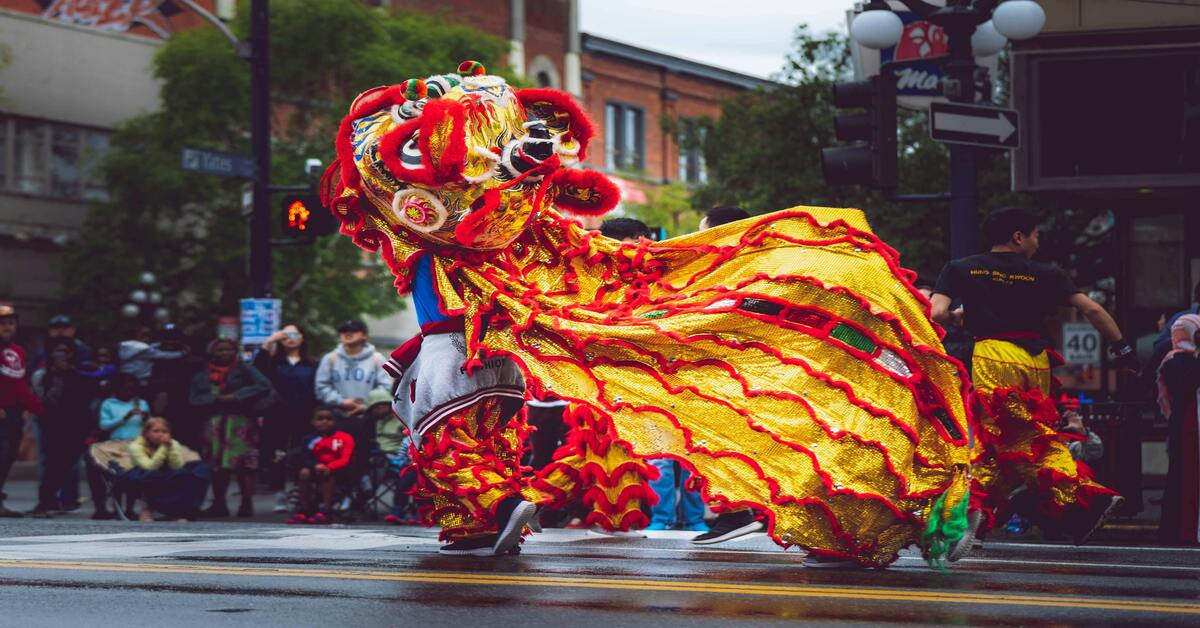
Have you ever visited a cultural site, like a museum or a historic temple?
● ☐ Yes
● ☐ No
Have you ever taken part in a cultural event?
● ☐ Yes
● ☐ No
Which things show the culture and history of a country?
● ☐ Local food
● ☐ Languages
● ☐ Ancient temples
● ☐ Shopping malls
Why do people take part in special cultural events?
● ☐ To remember important traditions
● ☐ To make new cars
● ☐ To build modern cities
● ☐ To strengthen social connections
What can our culture teach us?
● ☐ Our history
● ☐ How to build a temple
● ☐ Our traditions
● ☐ How to cook instant noodles
Part A: Reading
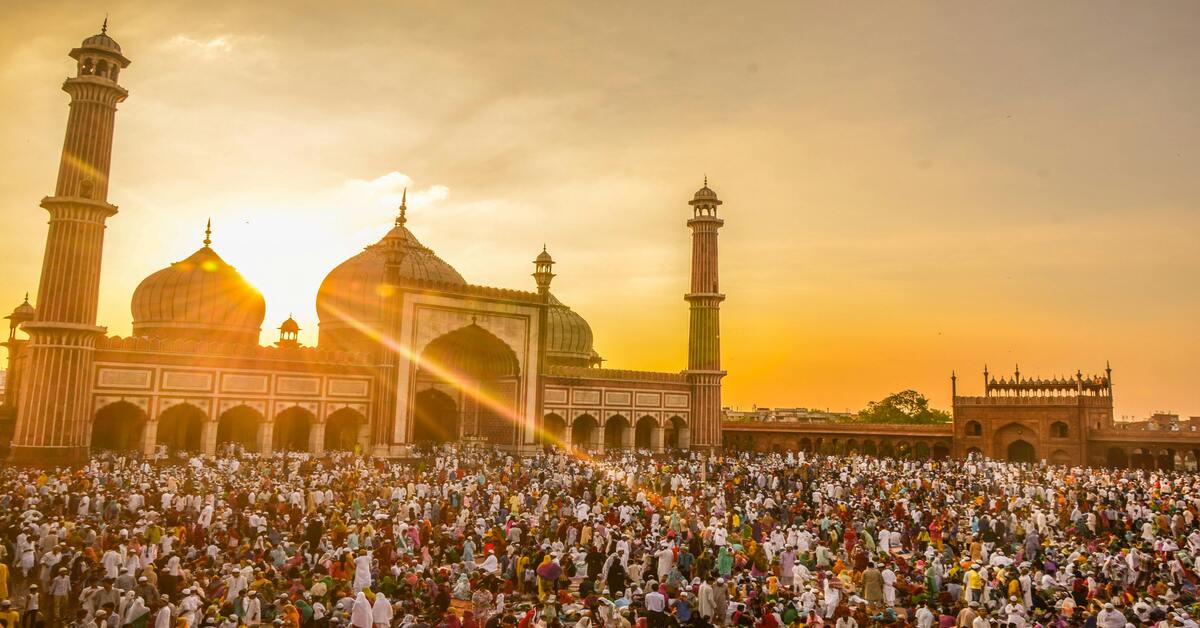
Intangible Cultural Heritage and Group Identity
Intangible cultural heritage refers to cultural practices, expressions, and knowledge passed down through generations without taking a physical form. It includes rituals, festivals, languages, songs, and oral traditions. Although intangible heritage cannot be touched like monuments or artifacts, it plays a crucial role in shaping and maintaining a group’s identity. It connects people to their history and helps define who they are within a wider community.
Communities inherit traditions that carry important values and meanings. Rituals, for example, often mark key life events such as births, marriages, or seasonal changes. These practices honor ancestors, celebrate shared beliefs, and represent the bond between individuals and their communities. By repeating these rituals over time, people strengthen their group membership and sense of belonging. In New Zealand, for instance, the Māori perform the pōwhiri, a traditional welcoming ceremony that includes speeches, songs, and dances. The pōwhiri not only welcomes guests but also reflects group ties, respect for history, and the continuation of cultural memory.
Festivals are another important expression of intangible heritage. Besides strengthening social ties, festivals also serve to pass cultural knowledge from older generations to younger ones. Through traditional dances, songs, foods, and symbolic activities, participants learn the meanings behind the customs they celebrate. This shared experience not only entertains but also teaches important lessons about community history and shared values. Some festivals are sacred and carry deep religious meaning, while others focus on social or agricultural life. For example, Holi in India combines traditional religious customs with joyful public celebrations, strengthening bonds among community members. During such events, people honor their shared identity and celebrate the customs passed down through generations.
Language is also central to intangible heritage. It carries stories, songs, beliefs, and customs across generations. Through language, communities transmit cultural knowledge and maintain strong social connections. When a language disappears, much of the community’s intangible heritage is also lost. Therefore, language preservation is closely tied to protecting cultural identity. Local languages often express unique ways of thinking and living that cannot be fully translated.
The existence of different forms of intangible heritage shows the diversity of human culture. Even when communities share similar practices, such as festivals or rituals, the meanings and expressions often vary greatly according to local beliefs and traditions. Studying intangible heritage gives important insights into how communities form, maintain, and express their identities over time.
Xem thêm: Từ vựng IELTS Reading theo chủ đề thường gặp
Part B: Vocabulary Boosting
Intangible (adjective) – phi vật thể, không thể chạm vào Intangible heritage is hard to keep without community support. (Di sản phi vật thể rất khó giữ gìn nếu không có sự hỗ trợ từ cộng đồng.) |  |
Heritage (noun) – di sản Heritage helps young people learn more about history. (Di sản giúp người trẻ hiểu thêm về lịch sử.) | 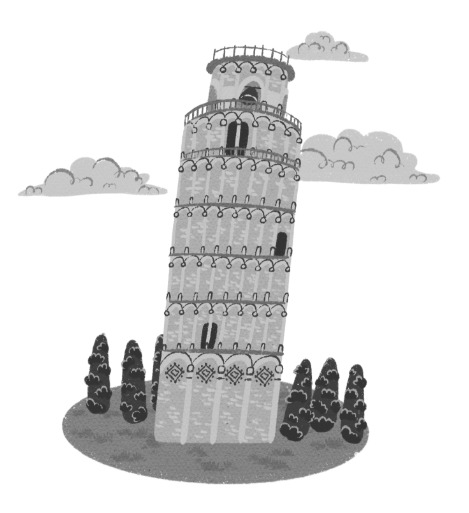 |
Practice (noun) – tập tục, thông lệ Traditional wedding practices are an important part of many cultures. (Các tập tục cưới hỏi truyền thống là một phần quan trọng của nhiều nền văn hóa.) |  |
Ritual (noun) – nghi lễ Marriage rituals differ from one culture to another. |  |
Festival (noun) – lễ hội Cultural festivals often attract visitors from many countries. (Các lễ hội văn hóa thường thu hút du khách từ nhiều quốc gia.) | 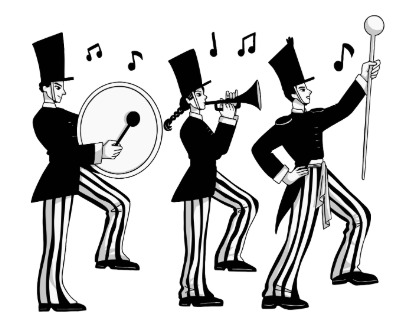 |
Monument (noun) - tượng đài Many monuments represent important moments in a nation's history. (Nhiều tượng đài thể hiện những khoảnh khắc quan trọng trong lịch sử của một quốc gia.) |  |
Artifact (noun) – hiện vật Museums display ancient artifacts to teach visitors about past cultures. (Các bảo tàng trưng bày hiện vật cổ để giáo dục khách tham quan về các nền văn hóa xưa.) | 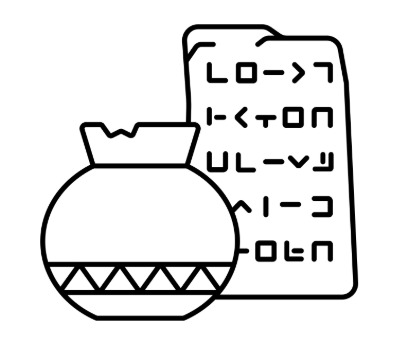 |
Identity (noun) – bản sắc, đặc tính Language plays a big role in shaping cultural identity. (Ngôn ngữ đóng vai trò lớn trong việc hình thành bản sắc văn hóa.) |  |
Inherit (verb) – kế thừa We inherit culture through stories and language. |  |
Value (noun) – giá trị Cultural heritage often teaches important values like honesty and kindness. (Di sản văn hóa thường truyền dạy những giá trị quan trọng như sự trung thực và lòng tốt.) |  |
Honor (verb) – tôn vinh Schools often organize events to honor national traditions and customs. |  |
Belief (noun) - niềm tin Different communities have different beliefs about the meaning of life. (Các cộng đồng khác nhau có những niềm tin khác nhau về ý nghĩa của cuộc sống.) |  |
Traditional (adjective) – (thuộc về) truyền thống Traditional musical instruments are an important part of cultural celebrations. (Các nhạc cụ truyền thống là một phần quan trọng của những lễ kỷ niệm văn hóa.) | 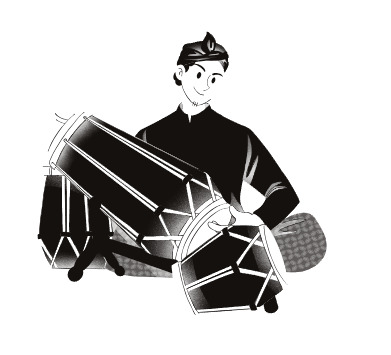 |
Generation (noun) Each generation has the responsibility to protect its cultural heritage. (Mỗi thế hệ có trách nhiệm bảo vệ di sản văn hóa của mình.) |  |
Celebrate (verb) - kỉ niệm, tán dương Special dances are performed to celebrate important cultural events. ( Những điệu múa đặc biệt được trình diễn để kỷ niệm các sự kiện văn hóa quan trọng.) |  |
Sacred (adjective) – thiêng liêng Traditional songs sometimes carry sacred meanings for a community. (Các bài hát truyền thống đôi khi mang ý nghĩa thiêng liêng đối với một cộng đồng.) |  |
Religious (adjective) – thuộc tôn giáo Religious beliefs influence many aspects of cultural traditions. | 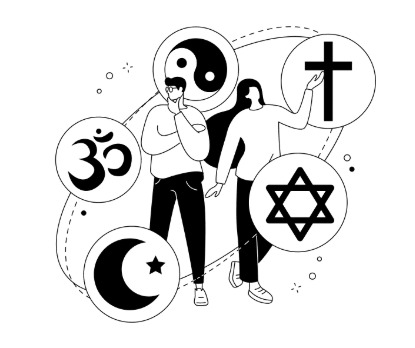 |
Custom (noun) – phong tục Learning about different customs helps people understand other cultures better. (Tìm hiểu về các phong tục khác nhau giúp mọi người hiểu các nền văn hóa khác tốt hơn.) | 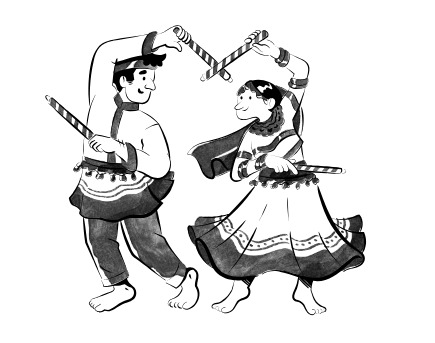 |
Preservation (noun) – sự bảo tồn Preservation of cultural heritage helps maintain national identity. |  |
Diversity (noun) – sự đa dạng Cultural diversity should be respected. |  |
Part C: Vocabulary Exercise
Bài tập 1. Nối từ vựng với định nghĩa phù hợp
Từ vựng | Định nghĩa |
1. Preservation | A. To receive something, usually from older generations, after someone has died or through tradition. |
2. Sacred | B. A structure built to remember a person or an important event. |
3. Belief | C. The act of keeping something in its original state or good condition. |
4. Inherit | D. Very special and important, often treated with great respect. |
5. Monument | E. The traditions, customs, and history that are passed down through generations. |
6. Heritage | F. An idea or a strong feeling that something is true or real. |
Bài tập 2. Sắp xếp thứ tự các từ đã cho thành câu hoàn chỉnh
1. / Children / about / taught / values / traditional / are / through / storytelling. /
2. / play / a / Rituals / role / shaping / identity / across / generations. / significant /
3. / ancestors. / Stories / to / important / our / are / understanding / for / culture / and /
4. / A / monument / helps / important / events / in / to / remember / a nation's / history. /
5. / heritage / Studying / how / define / us / gives / into / communities / insight / themselves. /
6./ essential / is / Understanding / cultural / diversity / for / historical / heritage. / of / the / preservation /
Bài tập 3. Đọc đoạn văn dưới đây và trả lời các câu hỏi
Storytelling and Cultural Identity
Storytelling is a powerful part of intangible cultural heritage. Through stories, communities pass down important beliefs, values, and customs from one generation to another. These stories often explain traditions, natural events, or the group's history. Storytelling strengthens group identity and teaches younger members about their roots.
In many cultures, traditional stories are told during special rituals or gatherings. For example, in Ghana, people share Anansesem — a kind of folk tale of the Akans — as part of their rich oral tradition. These storytelling moments celebrate the creativity of the community and honor the wisdom of elders.
Besides storytelling, oral traditions like proverbs, songs, and jokes are important forms of practice. These traditions are often passed down without being written, which makes them even more valuable. In Australia, Aboriginal communities use songlines—musical tracks that tell the history of their land and ancestors. Each carries sacred knowledge about geography, survival, and spiritual beliefs.
Storytelling also plays a role in protecting diversity. Each community develops different stories that reflect their unique environment and experiences. Even when two groups live close together, their stories may be very different, showing the richness of human culture.
Although stories are not physical objects like monuments or artifacts, they have deep meaning. They help maintain social bonds and teach important lessons about life, nature, and society. Studying storytelling offers insight into how cultural knowledge is preserved and shared across generations.
1. The word intangible in “… intangible cultural heritage …” is closest in meaning to…
a. Invisible
b.Breakable
c. Popular
2. The word identity in “… strengthens group identity …” is closest in meaning to…
a. Character
b. Place
c. Plan
3. The word traditional in “ … traditional stories are told …” is closest in meaning to…
a. Modern
b. Young
c. Ancient
4. The word diversity in “… protecting diversity …” is closest in meaning to…
a. Beauty
b. Variety
c. Strength
5. The word ritual in “… during special rituals or festivals …” most likely means…
a. A serious accident
b. A repeated traditional action
c. A scientific discovery
6. The word folk tale in “… a kind of folk tale of the Akans …” most likely means…
a. A modern fiction novel
b. A scientific theory
c. A traditional story of a community
7. The word oral tradition in “… oral traditions like proverbs, songs, and jokes …” most likely means…
a. Traditions passed by speaking
b. Traditions written in books
c. Traditions related to cooking
8. The word social bond in “They help maintain social bonds …” most likely means…
a. Buildings in the city
b. Traditional food
c. Connections between people
Bài tập 4. Đọc lại đoạn văn trên và trả lời các câu hỏi sau
1. In the sentence "These traditions are often passed down without being written, which makes them even more valuable," what does "these traditions" refer to?
a. Sacred rituals
b. Oral traditions like proverbs, songs, and jokes
c. Traditional storytelling festivals
d. Monuments and artifacts
2. In the sentence "Each carries sacred knowledge about geography, survival, and spiritual beliefs," what does "each" refer to?
a. Each festival
b. Each community
c. Each songline
d. Each monument
3. In the sentence "They help maintain social bonds and teach important lessons about life, nature, and society," what does "they" refer to?
a. Elders
b. Stories
c. Artifacts
d. Languages
4. When are traditional stories often told in many cultures?
a. During important rituals or festivals
b. Only at schools
c. On TV programs about ancient culture
d. During confidential government meetings
5. Why are oral traditions considered valuable?
a. Because they are written in books
b. Because they change every generation
c. Because they are passed down without writing
d. Because they are about famous people
6. According to the passage, what is true about songlines?
a. They are only about traditional music.
b. They tell the history of Aboriginal communities’ land and ancestors.
c. They are used only during festivals.
d. They are written on monuments.
7. What does the passage suggest about storytelling and diversity?
a. It makes all communities similar.
b. It destroys traditional customs.
c. It stops new stories from developing.
d. It helps communities keep their differences.
8. Why are stories important even though they are not physical objects?
a. They are easier to protect than languages.
b. They are cheaper to create than monuments.
c. They are more modern than artifacts.
d. They hold deep meanings and strengthen social ties.
Xem thêm: Bảng độ khó Cambridge IELTS 7-19 & gợi ý lộ trình ôn tập hiệu quả
Part D: Key and Explanation
Bài tập 1
1. Preservation – C. The act of keeping something in its original state or good condition.
2. Sacred – D. Very special and important, often treated with great respect.
3. Belief – F. An idea or a strong feeling that something is true or real.
4. Inherit – A. To receive something, usually from older generations, after someone has died or through tradition.
5. Monument – B. A structure built to remember a person or an important event.
6. Heritage – E. The traditions, customs, and history that are passed down through generations.
Bài tập 2
1. Children are taught about traditional values through storytelling.
2. Rituals play a significant role in shaping identity across generations.
3. Stories are important for understanding our culture and ancestors.
4. A monument helps to remember important events in a nation's history.
5.Studying heritage gives us insight into how communities define themselves.
6.Understanding cultural diversity is essential for the preservation of historical heritage.
Bài tập 3
(1) – a. Invisible
Dịch nghĩa: "Intangible" = không thể sờ thấy, phi vật thể (tham chiếu bảng từ vựng Part B) -> "intangible cultural heritage" = di sản văn hóa phi vật thể (chẳng hạn như các phong tục, lễ hội, nghệ thuật truyền thống).
“Invisible” (vô hình) là lựa chọn phù hợp, vì "intangible" chỉ những thứ không thể chạm vào hoặc nhìn thấy, tương tự như các giá trị văn hóa phi vật thể.
Các lựa chọn khác không phù hợp về nghĩa: Breakable: có thể làm vỡ; Popular: phổ biến.
(2) – a. Character
Dịch nghĩa: "Identity" = bản sắc, danh tính (tham chiếu bảng từ vựng Part B) => "group identity" = bản sắc, đặc điểm riêng của một nhóm người.
“Character” (tính cách, đặc điểm) là sự lựa chọn đúng, vì "identity" là đặc điểm xác định sự khác biệt của một nhóm hoặc một cá nhân.
Các lựa chọn khác không phù hợp về nghĩa: Place: nơi chốn; Plan: kế hoạch.
(3) – c. Ancient
Dịch nghĩa: "Traditional" = truyền thống, lâu đời (tham chiếu bảng từ vựng Part B) => "traditional stories" = những câu chuyện truyền thống, được kể qua nhiều thế hệ.
“Ancient” (lâu đời, cổ xưa) là lựa chọn đúng, vì "traditional" liên quan đến những giá trị, phong tục hoặc câu chuyện có tuổi đời lâu dài.
Các lựa chọn khác không phù hợp về nghĩa: Modern: hiện đại; Young: trẻ.
(4) – b. Variety
Dịch nghĩa: "Diversity" = sự đa dạng, phong phú (tham chiếu bảng từ vựng Part B) => "protecting diversity" = bảo vệ sự đa dạng (cụ thể là đa dạng văn hóa).
“Variety” (sự đa dạng, phong phú) là sự lựa chọn chính xác, tương đồng về nghĩa.
Các lựa chọn khác không phù hợp về nghĩa:
Beauty: sắc đẹp; Strength: sức mạnh.
(5) – b. A repeated traditional action
Dịch nghĩa: "Ritual" = nghi lễ, thủ tục truyền thống (tham chiếu bảng từ vựng Part B) => "special rituals or festivals" = những nghi lễ hoặc lễ hội đặc biệt.
“A repeated traditional action” (một hành động truyền thống lặp lại) là đáp án đúng, vì "ritual" chỉ những hành động hoặc nghi thức được thực hiện theo một cách thức cố định, thường xuyên trong các lễ hội hoặc sự kiện đặc biệt.
(6) – c. A traditional story of a community
Dịch nghĩa: "Folk tale" = câu chuyện dân gian, tức những câu chuyện truyền miệng, thường được kể lại trong cộng đồng.
“A traditional story of a community” (câu chuyện truyền thống của một cộng đồng) là lựa chọn đúng, vì "folk tale" đề cập đến những câu chuyện dân gian đã được truyền lại qua nhiều thế hệ; mà cụ thể ở trường hợp này là trong cộng đồng người Akan và một số nền văn hóa khác có quan hệ huyết thống liên quan P. Arthur et al. [1]
(7) – a. Traditions passed by speaking
Dịch nghĩa: "Oral tradition" = truyền thống truyền miệng -> "oral traditions like proverbs, songs, and jokes" = những truyền thống truyền miệng như tục ngữ, bài hát, và trò đùa.
“Traditions passed by speaking” (truyền thống được truyền qua lời nói) là đáp án chính xác, vì "oral tradition" chỉ những truyền thống được qua lời nói thay vì qua sách vở.
(8) – c. Connections between people
Dịch nghĩa: "Social bond" = sự gắn kết xã hội -> "maintain social bonds" = duy trì các mối quan hệ xã hội.
“Connections between people” (kết nối giữa con người) là sự lựa chọn đúng, vì "social bond" chỉ sự kết nối giữa các cá nhân trong cộng đồng.
Bài tập 4
(1) – b. Oral traditions like proverbs, songs, and jokes
Dịch nghĩa: Những truyền thống truyền miệng như tục ngữ, bài hát và truyện cười thường được truyền lại mà không cần ghi chép, khiến chúng càng có giá trị hơn.
Đại từ "these" dùng để chỉ nhóm sự vật/ sự việc vừa được nhắc trước đó, tránh lặp từ.
Câu trước đó nhắc đến "oral traditions like proverbs, songs, and jokes," và ngay sau đó dùng "these traditions" → chỉ những truyền thống truyền miệng này.
(2) – c. Each songline
"Each" là một đại từ bất định ở dạng số ít, dùng để ám chỉ từng đối tượng trong một tập hợp.
Câu trước đó chưa có nhắc đến "songlines," và câu này đang tiếp tục giải thích về chúng => tập hợp trong trường hợp này là “songlines”.
Mỗi songline (đường ca – tạm dịch) đều mang một câu chuyện riêng biệt về địa lý, sự sống sót và tín ngưỡng tinh thần Noon [2] => "each" được sử dụng để chỉ mỗi songline riêng biệt.
(3) – b. Stories
"They" là đại từ chỉ người, số nhiều, dùng để thay thế cho một danh từ đã được đề cập trước đó.
Dịch nghĩa: Chúng giúp duy trì các mối liên kết xã hội và dạy những bài học quan trọng về cuộc sống, thiên nhiên và xã hội.
Trong câu này, "they" - chúng chỉ đến "stories" (các câu chuyện), được nhắc đến trong câu liền trước.
(4) – a. During important rituals or festivals
Thông tin được nhắc đến ở câu đầu đoạn 2: "In many cultures, traditional stories are told during special rituals or festivals."
Dịch nghĩa: Ở nhiều nền văn hóa, các câu chuyện truyền thống được kể trong các nghi lễ hoặc lễ hội đặc biệt.
Các đáp án còn lại không được đề cập đến trong bài.
(5) – c. Because they are passed down without writing
Thông tin được nhắc đến ở câu 2, đoạn 3: "These traditions are often passed down without being written, which makes them even more valuable."
Dịch nghĩa: Những truyền thống này thường được truyền lại mà không cần ghi chép, điều đó khiến chúng quý giá hơn.
Trọng tâm ở đây là dù không cần chữ viết mà vẫn lưu truyền được, nên càng quý giá.
Câu a. Because they are written in books (Vì chúng được viết lại trong sách) trái ngược với định nghĩa về “oral tradition” trong bài.
Hai đáp án còn lại không được đề cập đến trong bài.
(6) – b. They tell the history of Aboriginal communities’ land and ancestors
Thông tin được nhắc đến ở câu 3, đoạn 3: “… songlines—musical tracks that tell the history of their land and ancestors.”
Dịch nghĩa: … songlines (đường ca – tạm dịch) - những bản nhạc kể về lịch sử vùng đất và tổ tiên của họ.
Các đáp án còn lại không được đề cập đến trong bài.
(7) – d. It helps communities keep their differences.
Thông tin được nhắc đến ở đoạn 4: “Each community develops different stories that reflect their unique environment and experiences.”
Dịch nghĩa: Mỗi cộng đồng phát triển những câu chuyện khác nhau phản ánh môi trường và trải nghiệm riêng.
Đoạn này cũng đề cập đến rằng “storytelling” sẽ giúp bảo vệ sự đa dạng => giữ được sự khác biệt.
Câu a. It makes all communities similar. (Nó làm cho tất cả các cộng đồng đều giống nhau) trái ngược với thông tin đưa ra trong bài.
Hai đáp án còn lại không được đề cập đến trong bài.
(8) – d. They hold deep meanings and strengthen social ties.
Thông tin được nhắc đến ở đoạn cuối: “Although stories are not physical objects like monuments or artifacts, they have deep meaning. They help maintain social bonds and teach important lessons about life, nature, and society. “
Dịch nghĩa: Mặc dù các câu chuyện không phải là vật thể hữu hình như tượng đài hay hiện vật, nhưng chúng có ý nghĩa sâu sắc. Chúng giúp duy trì mối quan hệ xã hội và dạy những bài học quan trọng về cuộc sống, thiên nhiên và xã hội.
Mặc dù là các di sản phi vật lý, các câu chuyện vẫn có ý nghĩa và tác động xã hội quan trọng.
Các đáp án còn lại không được đề cập đến trong bài.
Trang bị vốn từ vựng luôn là bước đệm quan trọng giúp người học chinh phục kỹ năng Reading trong IELTS. Việc thành thạo từ vựng về chủ để Cultural Heritage - Di sản văn hóa mang lại lợi thế không nhỏ, đặc biệt là khi đối diện với những đoạn văn liên quan đến các vấn đề như bản sắc dân tộc, bảo tồn văn hóa, các giá trị vật thể và phi vật thể, v.v. Làm quen với những thuật ngữ này không chỉ giúp cải thiện khả năng đọc hiểu mà còn giúp người học nắm được cấu trúc bài viết dễ dàng hơn và trả lời câu hỏi chính xác khi gặp các bài đọc về Cultural heritage.
Để nâng cao năng lực và giúp thí sinh chuẩn bị kỹ càng cho kỳ thi IELTS, ZIM mang đến môi trường học tập phù hợp với lộ trình cá nhân hóa, giúp bạn nắm chắc kiến thức và tự tin bước vào phòng thi. Ngoài ra, người học có thể cân nhắc tham khảo kho tàng sách từ vựng, ngữ pháp, v.v đa dạng chủ đề tại ZIM nhằm hỗ trợ thêm trong quá trình ôn luyện.
- Học từ vựng IELTS Reading theo Conceptual Learning
- Học từ vựng IELTS Reading theo Conceptual Learning: Các khám phá và phát hiện khảo cổ
- Học từ vựng IELTS Reading theo Conceptual Learning: Giá trị Lịch Sử và Văn Hóa từ khảo cổ
- Học từ vựng IELTS Reading theo Conceptual Learning: Công nghệ trong khảo cổ
- Từ vựng IELTS Reading General Training Section 1 - Chủ đề: Sử dụng nước
- Từ vựng IELTS Reading General Training Section 1 - Chủ đề: Tái chế rác thải
- Từ vựng IELTS Reading General Training Section 1 - Chủ đề: Phương tiện công cộng
- Từ vựng IELTS Reading General Training Section 1 - Chủ đề: Công viên địa phương
- Từ vựng IELTS Reading General Training Section 1 - Chủ đề: Các khoá học cho người lớn
- Từ vựng IELTS Reading General Training Section 1 - Chủ đề: Dịch vụ thư viện
- Từ vựng IELTS Reading General Training Section 1 - Chủ đề: Hoạt động tình nguyện
Tham vấn chuyên môn
Điểm thi IELTS gần nhất: 8.5
- 3 năm kinh nghiệm giảng dạy tiếng Anh
- Đã tham gia thi IELTS 4 lần (với số điểm lần lượt 7.0, 8.0, 8.0, 8.5)
- Hiện tại đang là Educator và Testing and Assessment Manager tại ZIM Academy
- Phấn đấu trở thành một nhà giáo dục có tầm nhìn, có phương pháp cụ thể cho từng đối tượng học viên, giúp học viên đạt được mục tiêu của mình đề ra trong thời gian ngắn nhất. Ưu tiên mục tiêu phát triển tổng thể con người, nâng cao trình độ lẫn nhận thức, tư duy của người học. Việc học cần gắn liền với các tiêu chuẩn, nghiên cứu để tạo được hiệu quả tốt nhất.
Nguồn tham khảo
1
“Indigenous Songlines tell the story of the night sky.” reporter.anu.edu.au, https://reporter.anu.edu.au/all-stories/indigenous-songlines-tell-the-story-of-the-night-sky. Accessed 25 April 2025.
2
“The Textuality of ‘Anansesεm’: A Pedagogical and Ideological Resource in Traditional Human Relations among the Akans in Ghana.” Advances in Language and Literary Studies, https://doi.org/10.7575/aiac.alls.v.12n.4.p.35. Accessed 25 April 2025.
Bình luận - Hỏi đáp