


Costa Rica đã sử dụng hơn 98% năng lượng tái tạo từ các nguồn như thủy điện, gió và mặt trời, đặt mục tiêu không phát thải carbon vào năm 2050. Elon Musk đã thúc đẩy năng lượng tái tạo toàn cầu qua Tesla và SolarCity, tạo ra di sản về sự đổi mới và nâng cao nhận thức về biến đổi khí hậu.
IELTS Reading | Concepts and Vocabulary Unit 3: Renewable Energy
Unit 3: Năng lượng Tái tạo khám phá hành trình của Costa Rica trở thành quốc gia dẫn đầu về năng lượng tái tạo và đóng góp của Elon Musk trong lĩnh vực này. Người học sẽ tìm hiểu về các nguồn năng lượng như thủy điện, năng lượng mặt trời và gió. Đơn vị này cung cấp từ vựng quan trọng để hiểu các đoạn văn IELTS Reading về năng lượng tái tạo, nhấn mạnh tầm quan trọng của sự bền vững và đổi mới.
Key takeaways
Năng lượng Tái tạo là việc sử dụng các nguồn tự nhiên như mặt trời và gió để tạo ra năng lượng, tập trung vào sự bền vững, giảm khí thải và giải pháp cho biến đổi khí hậu. Nó bao gồm đổi mới, công nghệ và cơ sở hạ tầng để bảo vệ môi trường. Đơn vị này sẽ giới thiệu cho bạn các từ vựng chính liên quan đến Năng lượng Tái tạo, điều này rất quan trọng để hiểu các đoạn văn IELTS Reading về chủ đề này. Hãy cùng khám phá cách Costa Rica và Elon Musk dẫn đầu trong lĩnh vực này!
Mở đầu
Renewable Energy is the use of natural sources like sun and wind to create power, focusing on sustainability, emissions reduction, and climate change solutions. It involves innovation, technology, and infrastructure to protect the environment. This unit will introduce you to key vocabulary related to Renewable Energy, which is essential for understanding IELTS Reading passages on this topic.
Năng lượng Tái tạo là việc sử dụng các nguồn tự nhiên như mặt trời và gió để tạo ra năng lượng, tập trung vào sự bền vững, giảm khí thải và giải pháp cho biến đổi khí hậu. Nó bao gồm đổi mới, công nghệ và cơ sở hạ tầng để bảo vệ môi trường. Đơn vị này sẽ giới thiệu cho bạn các từ vựng chính liên quan đến Năng lượng Tái tạo, điều này rất quan trọng để hiểu các đoạn văn IELTS Reading về chủ đề này.
Before You Read
Connect with the topic. Check (✓) your answers to these questions about Renewable Energy:
Have you ever seen solar panels or wind turbines?
Yes
No
Do you think renewable energy can help the environment?
Yes
No
What is one source of renewable energy?
A. Coal
B. Hydropower
C. Oil
D. Gas
What might reduce pollution?
A. Using more cars
B. Using solar energy
C. Cutting trees
D. Building factories
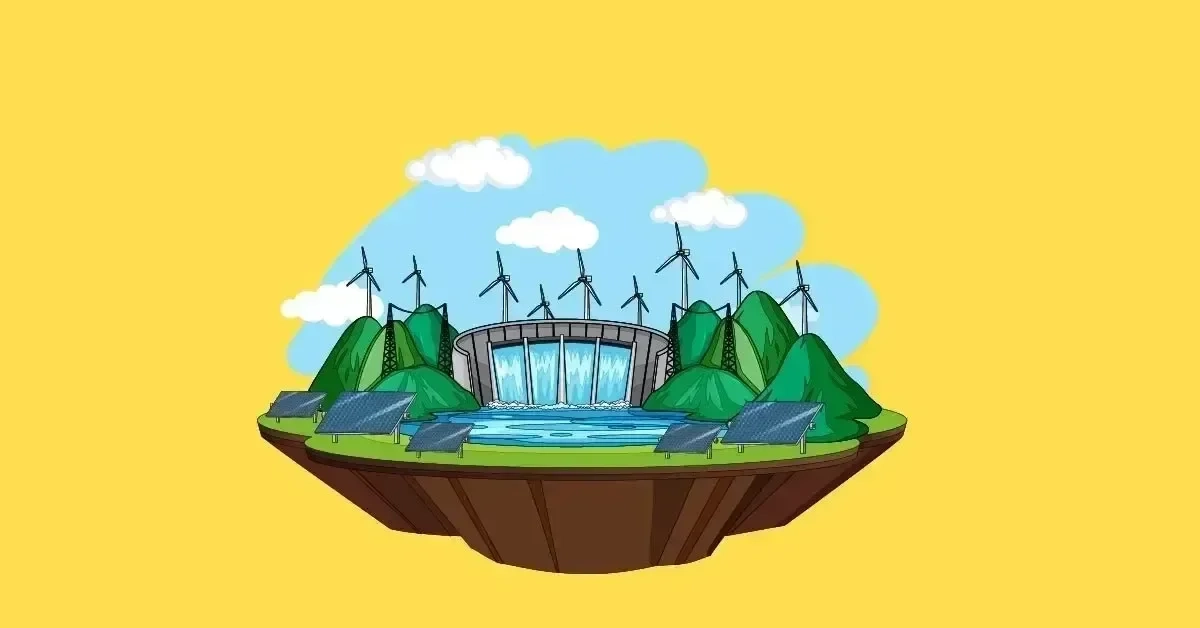
Part A: Reading
Costa Rica’s Journey to Become a Renewable Energy Leader
Costa Rica, a small country in Central America, is a world leader in renewable energy. The nation has a big goal: to power its entire economy using clean energy sources. For many years, Costa Rica has produced over 98% of its electricity from renewable sources, focusing on sustainability to protect the environment. This helps lower emissions and fight climate change, making the country a model for others. Costa Rica’s transition to green energy shows how small nations can make a big impact.
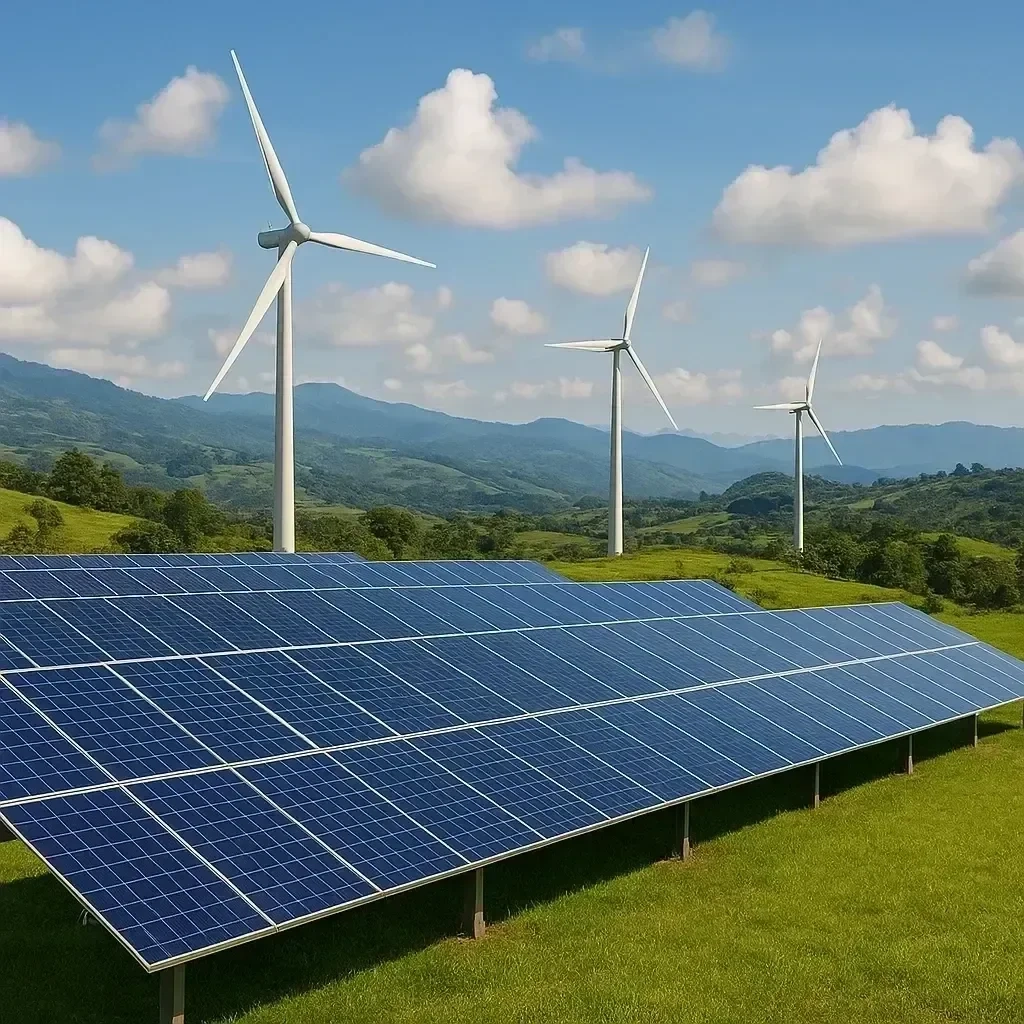
The country uses several types of renewable energy to meet its needs. Hydropower is the biggest source, using water from rivers to create electricity, providing about 70% of the power. Wind energy comes from large turbines in windy areas, and solar panels capture sunlight to make energy. Biomass, like plant waste, is also used to produce electricity. Costa Rica has built strong infrastructure, such as power plants, and uses technology to manage these sources efficiently. This helps keep the air clean and reduces pollution.
However, the transition to renewable energy has challenges. Hydropower depends on rain, but climate change causes dry seasons, making it hard to produce enough energy. Costa Rica needs more investment to build new wind and solar projects. The government is working to improve efficiency by upgrading systems and finding new ways to store energy. These steps help the country stay green even during tough times.
Costa Rica’s success has a big impact on the world. Its use of innovation, like smart energy systems, inspires other countries to follow. The nation wants to be fully carbon-free by 2050, setting a goal for the future. Costa Rica shows that with the right infrastructure and investment, any country can fight climate change and create a sustainable future for everyone.
(Word Count: 350 words)
Xem thêm: Từ vựng IELTS Reading theo chủ đề thường gặp
Part B: Vocabulary Boosting
Information | Picture |
|---|---|
renewable (adjective) - tái tạo |  |
energy (noun) - năng lượng |  |
economy (noun) - nền kinh tế |  |
sustainability (noun) - sự bền vững |  |
environment (noun) - môi trường (Năng lượng tái tạo giúp môi trường.) |  |
emissions (noun) - khí thải (Costa Rica giảm khí thải bằng năng lượng sạch.) |  |
climate change (noun) - biến đổi khí hậu Climate change affects hydropower in Costa Rica. (Biến đổi khí hậu ảnh hưởng đến thủy điện ở Costa Rica.) |  |
impact (noun) - tác động Costa Rica’s success has a big impact on the world. (Thành công của Costa Rica có tác động lớn đến thế giới.) |  |
hydropower (noun) - thủy điện Hydropower uses water to make electricity. (Thủy điện sử dụng nước để tạo ra điện.) |  |
wind (noun) - gió Wind energy comes from turbines in Costa Rica. (Năng lượng gió đến từ các tua-bin ở Costa Rica.) |  |
solar (adjective) - mặt trời Solar panels make energy in Costa Rica. (Các tấm pin mặt trời tạo năng lượng ở Costa Rica.) |  |
biomass (noun) - sinh khối Biomass is made from plant waste. (Sinh khối được làm từ chất thải thực vật.) |  |
infrastructure (noun) - cơ sở hạ tầng Costa Rica built infrastructure for renewable energy. (Costa Rica xây dựng cơ sở hạ tầng cho năng lượng tái tạo.) | 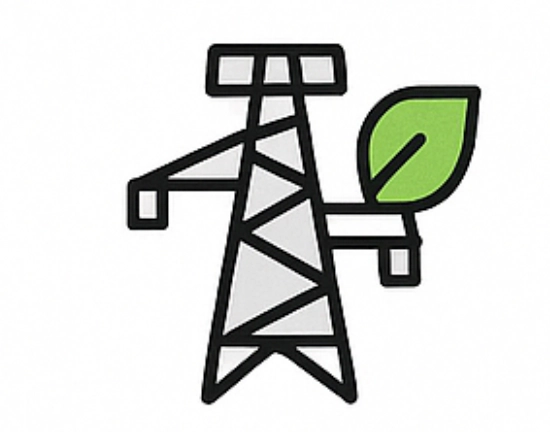 |
technology (noun) - công nghệ Technology helps manage renewable energy. (Công nghệ giúp quản lý năng lượng tái tạo.) |  |
pollution (noun) - ô nhiễm Renewable energy reduces pollution in Costa Rica. (Năng lượng tái tạo giảm ô nhiễm ở Costa Rica.) | 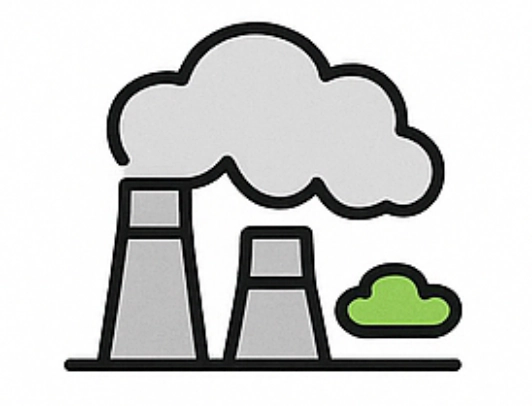 |
transition (noun) - sự chuyển đổi Costa Rica’s transition to renewable energy is a success. (Sự chuyển đổi của Costa Rica sang năng lượng tái tạo là một thành công.) |  |
investment (noun) - đầu tư Costa Rica needs investment for solar projects. (Costa Rica cần đầu tư cho các dự án năng lượng mặt trời.) |  |
efficiency (noun) - hiệu quả Efficiency helps Costa Rica use energy better. (Hiệu quả giúp Costa Rica sử dụng năng lượng tốt hơn.) |  |
innovation (noun) - sự đổi mới Innovation makes renewable energy better. (Sự đổi mới làm cho năng lượng tái tạo tốt hơn.) |  |
future (noun) - tương lai Costa Rica wants a sustainable future. (Costa Rica muốn một tương lai bền vững.) |  |
Xem thêm: Hướng dẫn tự luyện thi IELTS Reading tại nhà qua bộ sách Cambridge IELTS
Part C: Vocabulary Exercise
Exercise 1: Match each word to its correct definition. Write the letter (A-J) next to the word.
Words | Definitions |
|---|---|
| A. Using plant waste to create power. B. Power used to do work, like electricity. C. Dirty air, water, or land caused by waste. D. Using moving air to make energy. E. Long-term changes in weather patterns. F. Using the sun to make energy. G. Using water to make electricity. H. Power made from natural sources like the sun or wind. I. Keeping the environment safe for a long time. J. Harmful gases released into the air. |
Exercise 2: Read the passage in Part A about Costa Rica. Decide if each statement below is True (T), False (F), or Not Given (NG). Write T, F, or NG next to each statement.
Climate change makes hydropower difficult in Costa Rica.
Costa Rica’s transition to renewable energy started in the 1990s.
Innovation in Costa Rica includes smart energy systems.
Infrastructure like power plants helps Costa Rica use energy.
Costa Rica has the best efficiency in the world.
Costa Rica’s environment is harmed by renewable energy.
Investment is needed for more wind and solar projects.
Costa Rica uses technology to manage its energy sources.
Exercise 3A: Guessing the Meaning of New Vocabulary
Elon Musk: A Prominent Figure in Renewable Energy Innovation
Elon Musk is a famous leader in renewable energy, working to create a clean future. He has a big vision to stop climate change by using sustainability. Musk started Tesla, a company that makes electric cars to reduce emissions. Tesla also makes solar panels and battery systems to store clean energy. Through his development work, Musk has helped make renewable energy more popular around the world.
Musk’s influence reaches many countries, showing people how to use clean energy. His efforts include teaching education about climate change, helping more people understand its dangers. However, Musk faces challenges, like the high cost of new technology. He needs support from governments and companies to continue his work. Musk’s legacy is making renewable energy a big part of the future, driving change in how we use energy.
For each underlined word, choose the option that best matches its meaning based on how it is used in the text.
Vision for a clean future means:
a) A plan or goal
b) A type of car
c) A school lesson
d) A new lawSystems for storing energy mean:
a) Books about energy
b) Tools to hold power
c) Places to live
d) Games to playDevelopment work by Musk means:
a) Building new schools
b) Creating new technology
c) Growing plants
d) Writing booksInfluence of Musk means:
a) His effect on others
b) His money
c) His car
d) His houseEfforts to teach about climate change mean:
a) Actions to help people learn
b) Plans to stop learning
c) Games to play
d) Rules to break
Exercise 3B: Read the passage about Elon Musk and decide if each statement below is True (T), False (F), or Not Given (NG). Write T, F, or NG next to each statement.
Elon Musk started Tesla to reduce emissions with electric cars.
Musk’s solar panels are only used in the United States.
Tesla’s battery systems help store renewable energy.
Musk’s efforts have encouraged more people to learn about climate change.
Musk’s influence has stopped all industry from using fossil fuels.
The development of Tesla cars took place in the 1990s.
Musk faced challenges because renewable energy is very expensive.
Musk’s legacy includes making renewable energy popular worldwide.
Exercise 4: Answer the following questions based on the reading passage in Part A: Costa Rica’s Journey to Become a Renewable Energy Leader. Choose the best option (A, B, C, or D) for each question.
What is a synonym for "renewable" as used in the passage?
A) Harmful
B) Clean
C) Expensive
D) OldWhat is a synonym for "sustainability" in the context of the passage?
A) Damage
B) Balance
C) Waste
D) DeclineIn the sentence "This helps lower emissions and fight climate change," what does "climate change" refer to?
A) A decrease in temperature
B) A change in weather patterns
C) A new type of energy
D) A conservation projectIn the phrase "infrastructure, such as power plants," what does "infrastructure" refer to?
A) Systems for producing energy
B) Types of cars
C) Ways to travel
D) Schools for learningWhy does Costa Rica use hydropower?
A) To increase pollution
B) To make electricity
C) To grow plants
D) To build housesWhat is one challenge for hydropower in Costa Rica?
A) Too much rain
B) Dry seasons
C) Too many turbines
D) Lack of sunlightHow does innovation help Costa Rica?
A) By creating smart energy systems
B) By increasing emissions
C) By reducing infrastructure
D) By stopping renewable energyWhich statement below is TRUE according to the passage?
A) Costa Rica uses only solar energy.
B) Costa Rica wants to be carbon-free by 2050.
C) Climate change helps hydropower in Costa Rica.
D) Costa Rica has no renewable energy sources.
Xem thêm: Các dạng văn bản thường gặp trong IELTS Reading
Part D: Key and Explanation
Exercise 1: Matching Definitions
renewable - H (Power made from natural sources like the sun or wind.) - tái tạo
solar - F (Using the sun to make energy.) - mặt trời
wind - D (Using moving air to make energy.) - gió
hydropower - G (Using water to make electricity.) - thủy điện
biomass - A (Using plant waste to create power.) - sinh khối
energy - B (Power used to do work, like electricity.) - năng lượng
sustainability - I (Keeping the environment safe for a long time.) - sự bền vững
emissions - J (Harmful gases released into the air.) - khí thải
pollution - C (Dirty air, water, or land caused by waste.) - ô nhiễm
climate change - E (Long-term changes in weather patterns.) - biến đổi khí hậu
Exercise 2: True/False
climate change - T (biến đổi khí hậu)
Vietnamese Explanation: Đáp án đúng là True (Đúng), vì đoạn văn nói rằng biến đổi khí hậu (climate change) gây ra mùa khô, làm khó khăn cho thủy điện (hydropower) ở Costa Rica. Câu này khớp với nội dung đoạn văn.
transition - NG (sự chuyển đổi)
Vietnamese Explanation: Đáp án đúng là Not Given (Không có thông tin), vì đoạn văn nói về sự chuyển đổi (transition) của Costa Rica sang năng lượng tái tạo, nhưng không đề cập cụ thể rằng nó bắt đầu vào những năm 1990. Không có thông tin về thời gian này.
innovation - T (sự đổi mới)
Vietnamese Explanation: Đáp án đúng là True (Đúng), vì đoạn văn nói rằng sự đổi mới (innovation) ở Costa Rica bao gồm các hệ thống năng lượng thông minh, giúp quản lý năng lượng tái tạo tốt hơn.
infrastructure - T (cơ sở hạ tầng)
Vietnamese Explanation: Đáp án đúng là True (Đúng), vì đoạn văn nói rằng cơ sở hạ tầng (infrastructure) như nhà máy điện giúp Costa Rica sử dụng năng lượng (energy) từ các nguồn tái tạo.
efficiency - NG (hiệu quả)
Vietnamese Explanation: Đáp án đúng là Not Given (Không có thông tin), vì đoạn văn nói về việc cải thiện hiệu quả (efficiency) ở Costa Rica, nhưng không nói rằng họ có hiệu quả cao nhất thế giới. Không có thông tin so sánh như vậy.
environment - F (môi trường)
Vietnamese Explanation: Đáp án đúng là False (Sai), vì đoạn văn nói rằng năng lượng tái tạo giúp môi trường (environment) bằng cách giảm ô nhiễm, chứ không gây hại cho môi trường. Câu này nói ngược với nội dung đoạn văn.
investment - T (đầu tư)
Vietnamese Explanation: Đáp án đúng là True (Đúng), vì đoạn văn nói rằng Costa Rica cần đầu tư (investment) để xây dựng thêm các dự án gió (wind) và mặt trời (solar).
technology - T (công nghệ)
Vietnamese Explanation: Đáp án đúng là True (Đúng), vì đoạn văn nói rằng Costa Rica sử dụng công nghệ (technology) để quản lý các nguồn năng lượng tái tạo một cách hiệu quả.
Exercise 3A: Guessing the Meaning of New Vocabulary
Key and Vietnamese Translation:
vision - a) A plan or goal (Tầm nhìn)
systems - b) Tools to hold power (Hệ thống)
development - b) Creating new technology (Sự phát triển)
influence - a) His effect on others (Ảnh hưởng)
efforts - a) Actions to help people learn (Nỗ lực)
Exercise 3B: True/False/Not Given
Elon Musk started Tesla to reduce emissions with electric cars.
Key: T
Vietnamese Explanation: Đáp án đúng là True (Đúng), vì đoạn văn nói rằng Musk bắt đầu Tesla để sản xuất xe điện, giúp giảm khí thải (emissions), khớp với nội dung câu.
Musk’s solar panels are only used in the United States.
Key: F
Vietnamese Explanation: Đáp án đúng là False (Sai), vì đoạn văn không nói rằng các tấm pin mặt trời (solar panels) của Musk chỉ được sử dụng ở Mỹ; ngược lại, ảnh hưởng của Musk lan rộng toàn cầu, nên câu này sai.
Tesla’s battery systems help store renewable energy.
Key: T
Vietnamese Explanation: Đáp án đúng là True (Đúng), vì đoạn văn nói rằng Tesla sản xuất các hệ thống pin (battery systems) để lưu trữ năng lượng tái tạo (renewable energy), khớp với nội dung câu.
Musk’s efforts have encouraged more people to learn about climate change.
Key: T
Vietnamese Explanation: Đáp án đúng là True (Đúng), vì đoạn văn nói rằng nỗ lực (efforts) của Musk bao gồm giáo dục (education) về biến đổi khí hậu (climate change), giúp nhiều người hiểu biết hơn.
Musk’s influence has stopped all industry from using fossil fuels.
Key: F
Vietnamese Explanation: Đáp án đúng là False (Sai), vì đoạn văn nói rằng ảnh hưởng (influence) của Musk đã thúc đẩy năng lượng tái tạo, nhưng không nói rằng nó đã dừng hoàn toàn việc ngành công nghiệp (industry) sử dụng nhiên liệu hóa thạch (fossil fuels). Câu này quá tuyệt đối và không đúng.
The development of Tesla cars took place in the 1990s.
Key: NG
Vietnamese Explanation: Đáp án đúng là Not Given (Không có thông tin), vì đoạn văn nói về sự phát triển (development) của xe Tesla, nhưng không đề cập cụ thể rằng nó diễn ra vào những năm 1990. Không có thông tin về thời gian này.
Musk faced challenges because renewable energy is very expensive.
Key: T
Vietnamese Explanation: Đáp án đúng là True (Đúng), vì đoạn văn nói rằng Musk đối mặt với thách thức (challenges) do chi phí cao của công nghệ năng lượng tái tạo, khớp với nội dung câu.
Musk’s legacy includes making renewable energy popular worldwide.
Key: T
Vietnamese Explanation: Đáp án đúng là True (Đúng), vì đoạn văn nói rằng di sản (legacy) của Musk bao gồm việc làm cho năng lượng tái tạo trở nên phổ biến trên toàn thế giới, phù hợp với nội dung câu.
Exercise 4: Comprehension Questions Based on Part A
What is a synonym for "renewable" as used in the passage?
Key: B) Clean
Vietnamese Explanation: Đáp án đúng là "Clean" (sạch), vì "renewable" trong đoạn văn nói về năng lượng tái tạo như thủy điện và năng lượng mặt trời, có nghĩa là năng lượng sạch. "Harmful" (có hại) và "Old" (cũ) là trái ngược, còn "Expensive" (đắt) không phù hợp với ngữ cảnh.
What is a synonym for "sustainability" in the context of the passage?
Key: B) Balance
Vietnamese Explanation: Đáp án đúng là "Balance" (cân bằng), vì "sustainability" trong đoạn văn nói về việc bảo vệ môi trường lâu dài, tương ứng với sự cân bằng giữa năng lượng và môi trường. "Damage" (thiệt hại) và "Waste" (lãng phí) là trái ngược, còn "Decline" (suy giảm) không đúng.
In the sentence "This helps lower emissions and fight climate change," what does "climate change" refer to?
Key: B) A change in weather patterns
Vietnamese Explanation: Đáp án đúng là "A change in weather patterns" (sự thay đổi mô hình thời tiết), vì "climate change" trong đoạn văn ám chỉ biến đổi khí hậu, tức là sự thay đổi lâu dài trong thời tiết. "A decrease in temperature" (giảm nhiệt độ) là sai, còn "A new type of energy" (loại năng lượng mới) và "A conservation project" (dự án bảo tồn) không liên quan.
In the phrase "infrastructure, such as power plants," what does "infrastructure" refer to?
Key: A) Systems for producing energy
Vietnamese Explanation: Đáp án đúng là "Systems for producing energy" (hệ thống sản xuất năng lượng), vì "infrastructure" trong đoạn văn nói về các nhà máy điện và hệ thống hỗ trợ năng lượng tái tạo. "Types of cars" (loại xe), "Ways to travel" (cách di chuyển), và "Schools for learning" (trường học) không liên quan.
Why does Costa Rica use hydropower?
Key: B) To make electricity
Vietnamese Explanation: Đáp án đúng là "To make electricity" (để tạo ra điện), vì đoạn văn nói rằng Costa Rica sử dụng thủy điện (hydropower) để sản xuất điện, cung cấp khoảng 70% năng lượng. "To increase pollution" (tăng ô nhiễm) và "To build houses" (xây nhà) là sai, còn "To grow plants" (trồng cây) không liên quan.
What is one challenge for hydropower in Costa Rica?
Key: B) Dry seasons
Vietnamese Explanation: Đáp án đúng là "Dry seasons" (mùa khô), vì đoạn văn nói rằng thủy điện phụ thuộc vào mưa, nhưng mùa khô do biến đổi khí hậu gây khó khăn. "Too much rain" (quá nhiều mưa) và "Too many turbines" (quá nhiều tua-bin) không đúng, còn "Lack of sunlight" (thiếu ánh sáng mặt trời) không liên quan đến thủy điện.
How does innovation help Costa Rica?
Key: A) By creating smart energy systems
Vietnamese Explanation: Đáp án đúng là "By creating smart energy systems" (bằng cách tạo ra hệ thống năng lượng thông minh), vì đoạn văn nói rằng sự đổi mới (innovation) ở Costa Rica bao gồm các hệ thống năng lượng thông minh. "By increasing emissions" (tăng khí thải) và "By reducing infrastructure" (giảm cơ sở hạ tầng) là sai, còn "By stopping renewable energy" (ngừng năng lượng tái tạo) không đúng.
Which statement below is TRUE according to the passage?
Key: B) Costa Rica wants to be carbon-free by 2050.
Vietnamese Explanation: Đáp án đúng là "Costa Rica wants to be carbon-free by 2050" (Costa Rica muốn không phát thải carbon vào năm 2050), vì đoạn văn nói rằng quốc gia này đặt mục tiêu không phát thải carbon vào năm 2050. "Costa Rica uses only solar energy" (chỉ dùng năng lượng mặt trời) và "Climate change helps hydropower" (biến đổi khí hậu giúp thủy điện) là sai, còn "Costa Rica has no renewable energy sources" (không có nguồn năng lượng tái tạo) không đúng.
Unit 3 đã mang đến cái nhìn sâu sắc về Năng lượng Tái tạo, từ thành công của Costa Rica với thủy điện và năng lượng mặt trời đến đóng góp của Elon Musk qua Tesla. Bạn đã học các từ vựng quan trọng như bền vững, đổi mới và khí thải, giúp hiểu rõ hơn về năng lượng tái tạo. Đồng thời, đơn vị nhấn mạnh vai trò của công nghệ và hành động toàn cầu. Những kiến thức này sẽ hỗ trợ bạn đọc hiểu các đoạn văn IELTS về năng lượng tái tạo một cách hiệu quả.
Kết luận
Nếu người học mong muốn nâng cao kỹ năng IELTS Reading hiệu quả, việc làm quen với các chiến lược đọc như Skimming và Scanning là rất cần thiết. Được thiết kế để tiết kiệm thời gian và tối ưu hóa năng lượng, các phương pháp này giúp thí sinh nhanh chóng xác định ý chính và tìm kiếm thông tin chi tiết trong bài đọc. Bộ sách IELTS Reading Techniques - Skimming and Scanning của ZIM là nguồn tài liệu lý tưởng để thực hành và áp dụng những kỹ thuật này. Liên hệ ngay hotline 1900-2833 nhánh số 1 để được tư vấn chi tiết.
Tác giả: Trần Ngọc Minh Luân
- Học từ vựng IELTS Reading theo Conceptual Learning
- Học từ vựng IELTS Reading theo Conceptual Learning: Các khám phá và phát hiện khảo cổ
- Học từ vựng IELTS Reading theo Conceptual Learning: Giá trị Lịch Sử và Văn Hóa từ khảo cổ
- Học từ vựng IELTS Reading theo Conceptual Learning: Công nghệ trong khảo cổ
- Từ vựng IELTS Reading General Training Section 1 - Chủ đề: Sử dụng nước
- Từ vựng IELTS Reading General Training Section 1 - Chủ đề: Tái chế rác thải
- Từ vựng IELTS Reading General Training Section 1 - Chủ đề: Phương tiện công cộng
- Từ vựng IELTS Reading General Training Section 1 - Chủ đề: Công viên địa phương
- Từ vựng IELTS Reading General Training Section 1 - Chủ đề: Các khoá học cho người lớn
- Từ vựng IELTS Reading General Training Section 1 - Chủ đề: Dịch vụ thư viện
- Từ vựng IELTS Reading General Training Section 1 - Chủ đề: Hoạt động tình nguyện
Tham vấn chuyên môn
Điểm thi IELTS gần nhất: 8.5
- 3 năm kinh nghiệm giảng dạy tiếng Anh
- Đã tham gia thi IELTS 4 lần (với số điểm lần lượt 7.0, 8.0, 8.0, 8.5)
- Hiện tại đang là Educator và Testing and Assessment Manager tại ZIM Academy
- Phấn đấu trở thành một nhà giáo dục có tầm nhìn, có phương pháp cụ thể cho từng đối tượng học viên, giúp học viên đạt được mục tiêu của mình đề ra trong thời gian ngắn nhất. Ưu tiên mục tiêu phát triển tổng thể con người, nâng cao trình độ lẫn nhận thức, tư duy của người học. Việc học cần gắn liền với các tiêu chuẩn, nghiên cứu để tạo được hiệu quả tốt nhất.
Bình luận - Hỏi đáp