


Sự nóng lên toàn cầu gây tẩy trắng san hô tại Rạn san hô Great Barrier, làm giảm đa dạng sinh học và ảnh hưởng đến hệ sinh thái biển. Phong trào Climate Strike, do Greta Thunberg khởi xướng, đã nâng cao nhận thức và thúc đẩy các luật mới để bảo vệ hành tinh thông qua các nỗ lực bền vững.
IELTS Reading | Concepts and Vocabulary Unit 15: Climate Change
Unit 15: Biến đổi Khí hậu khám phá tác động rõ rệt của sự nóng lên toàn cầu lên Rạn san hô Great Barrier và phong trào Climate Strike nhằm nâng cao nhận thức. Người học sẽ tìm hiểu về các vấn đề như khí thải, đa dạng sinh học và bảo tồn. Unit này cung cấp từ vựng quan trọng để hiểu các đoạn văn IELTS Reading về biến đổi khí hậu, nhấn mạnh tầm quan trọng của hành động toàn cầu.
Key takeaways
Biến đổi Khí hậu là sự thay đổi lâu dài trong mô hình thời tiết do hoạt động của con người gây ra, tập trung vào sự nóng lên toàn cầu, khí thải và tác động đến hệ sinh thái. Nó bao gồm nhiệt độ tăng, mực nước biển dâng và nhu cầu hành động để bảo vệ hành tinh. Đơn vị này sẽ giới thiệu cho bạn các từ vựng chính liên quan đến Biến đổi Khí hậu, điều này rất quan trọng để hiểu các đoạn văn IELTS Reading về chủ đề này. Hãy cùng khám phá tác động của biến đổi khí hậu và cách chúng ta có thể hành động!
Xem lại bài trước: IELTS Reading | Concepts and Vocabulary - Unit 14: Psychology
Mở đầu
Climate Change is the long-term shift in weather patterns caused by human activities, focusing on global warming, emissions, and ecosystem impacts. It involves rising temperatures, sea levels, and the need for action to protect the planet. This unit will introduce you to key vocabulary related to Climate Change, which is essential for understanding IELTS Reading passages on this topic.
Biến đổi Khí hậu là sự thay đổi lâu dài trong mô hình thời tiết do hoạt động của con người gây ra, tập trung vào sự nóng lên toàn cầu, khí thải và tác động đến hệ sinh thái. Nó bao gồm nhiệt độ tăng, mực nước biển dâng và nhu cầu hành động để bảo vệ hành tinh. Đơn vị này sẽ giới thiệu cho bạn các từ vựng chính liên quan đến Biến đổi Khí hậu, điều này rất quan trọng để hiểu các đoạn văn IELTS Reading về chủ đề này.
Before You Read
Connect with the topic. Check (✓) your answers to these questions about Climate Change:
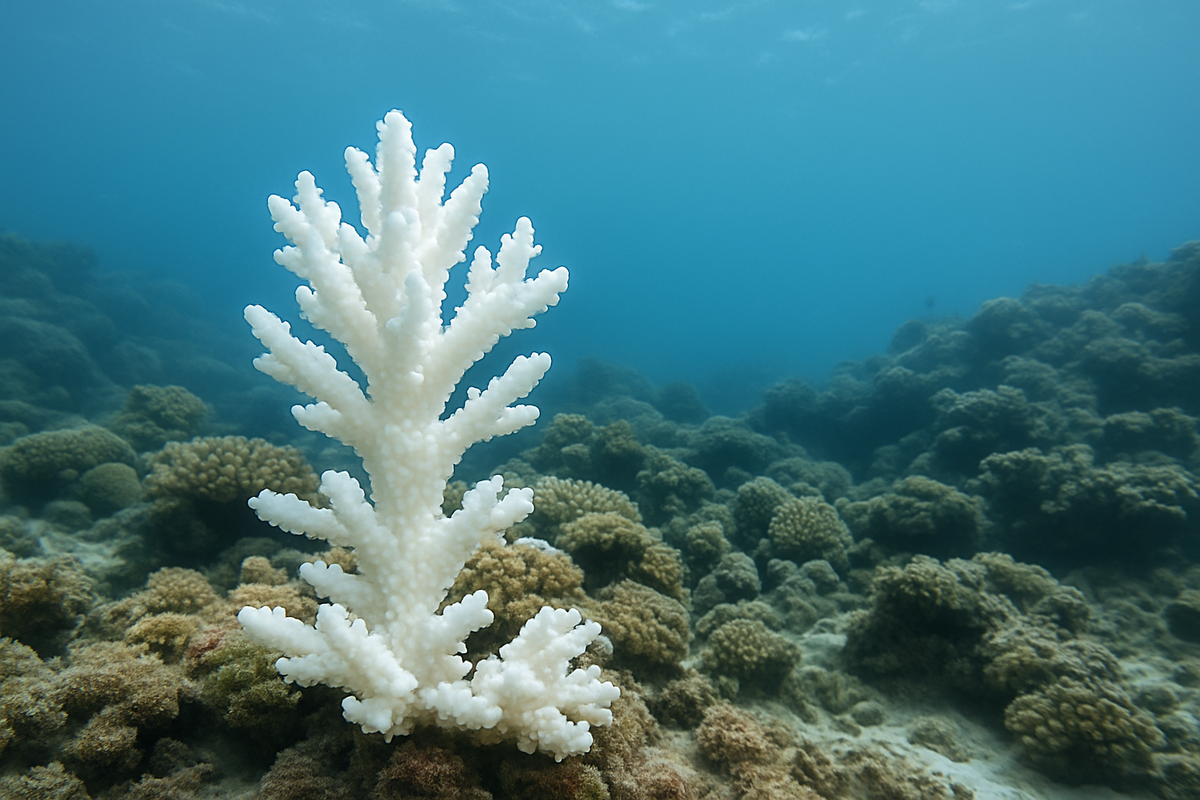
Have you ever seen a coral reef in a video or picture?
Yes
No
Do you think climate change affects ocean animals?
Yes
No
What might cause coral bleaching?
A. Cold water
B. Rising temperatures
C. More fish
D. New boats
How can we help protect coral reefs?
A. Use more fossil fuels
B. Reduce emissions
C. Build more cities
D. Eat more seafood
Part A: Reading
The Observable Effects of Climate Change on the Great Barrier Reef
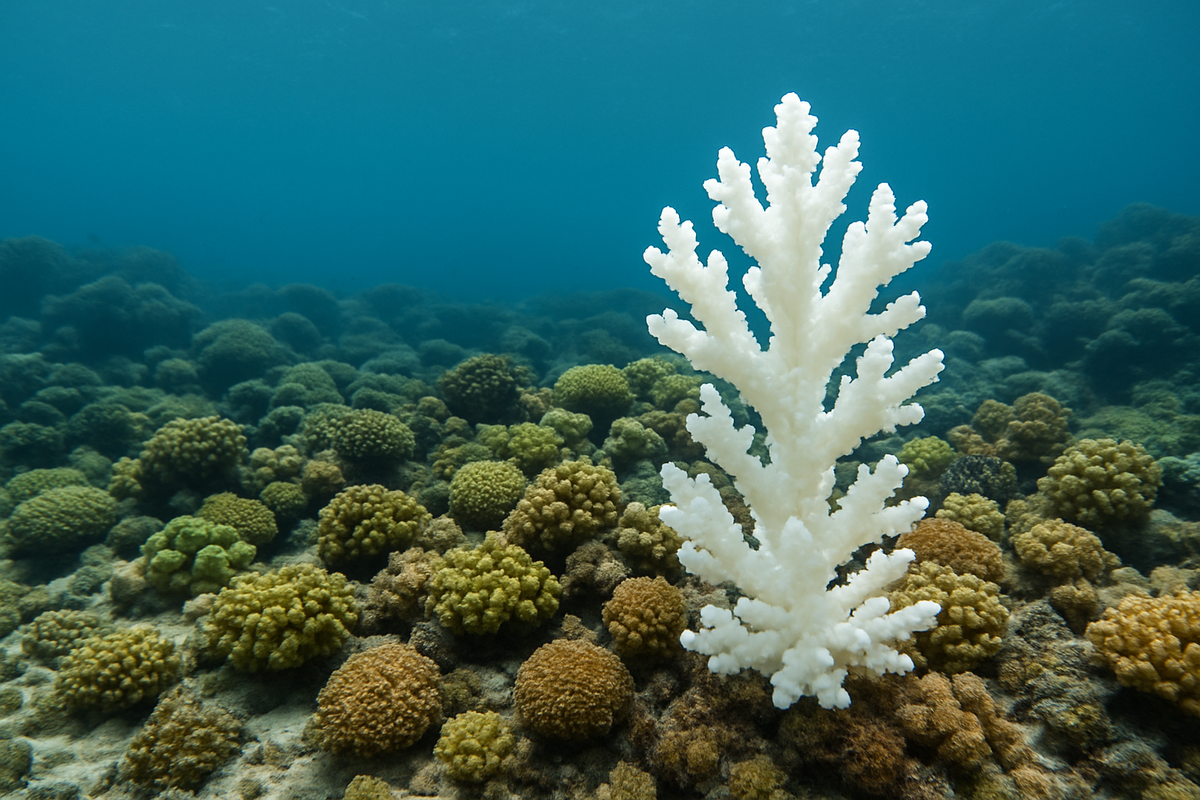
The Great Barrier Reef in Australia is the world’s largest coral ecosystem, home to a rich biodiversity of marine life. However, it is now facing a serious crisis because of global warming. Rising sea levels and increasing temperatures are harming the reef, turning its colorful corals white in a process called bleaching. Scientists say this happens when corals get too hot and stressed, causing them to lose the tiny plants that give them color and food.
This bleaching is a clear impact of global warming, driven by higher carbon emissions from human activities. When we burn fossil fuels, such as coal or oil, this releases greenhouse gases, which trap heat in the atmosphere and warm the oceans. In 2022, the Great Barrier Reef experienced a major bleaching event, with over 90% of its corals affected, according to the Great Barrier Reef Marine Park Authority. This warming also damages the ozone layer, making the problem worse. As corals die, the biodiversity of the reef decreases, affecting fish and other sea animals that depend on it.
The causes of this damage are linked to human actions, such as deforestation and the use of fossil fuels. Cutting down forests reduces the planet’s ability to absorb carbon, leading to more emissions in the air. Warmer oceans also disrupt marine life, changing how animals live and feed. The reef’s destruction is a visible sign of how climate change affects nature, showing the urgent need for solutions.
To protect the reef, people are taking steps like mitigation and adaptation. Using renewable energy, such as solar power, can lower emissions. Conservation efforts, like replanting corals, help the reef recover. Building resilience in marine ecosystems is important to face future changes. We need global action to promote sustainability and reduce pollution, ensuring the Great Barrier Reef survives for future generations.
Xem thêm: Từ vựng IELTS Reading theo chủ đề thường gặp
Part B: Vocabulary Boosting
Information | Picture |
|---|---|
ecosystem (noun) - hệ sinh thái The Great Barrier Reef is a large ecosystem. (Rạn san hô Great Barrier là một hệ sinh thái lớn.) |  |
biodiversity (noun) - đa dạng sinh học The reef has a rich biodiversity of marine life. (Rạn san hô có đa dạng sinh học phong phú của đời sống biển.) |  |
crisis (noun) - khủng hoảng Climate change is causing a crisis for the reef. (Biến đổi khí hậu đang gây ra một khủng hoảng cho rạn san hô.) |  |
global warming (noun) - sự nóng lên toàn cầu Global warming is harming the Great Barrier Reef. (Sự nóng lên toàn cầu đang gây hại cho Rạn san hô Great Barrier.) |  |
sea level (noun) - mực nước biển Rising sea levels are harming the reef. (Mực nước biển dâng đang gây hại cho rạn san hô.) |  |
temperature (noun) - nhiệt độ Increasing temperatures cause coral bleaching. (Nhiệt độ tăng gây ra hiện tượng tẩy trắng san hô.) |  |
emissions (noun) - khí thải Human activities increase carbon emissions. (Hoạt động của con người làm tăng khí thải cacbon.) |  |
greenhouse (adjective) - nhà kính Greenhouse gases trap heat in the atmosphere. (Khí nhà kính giữ nhiệt trong khí quyển.) |  |
fossil fuels (noun) - nhiên liệu hóa thạch Burning fossil fuels releases greenhouse gases. (Đốt nhiên liệu hóa thạch thải ra khí nhà kính.) |  |
ozone (noun) - tầng ozone Warming damages the ozone layer. (Sự nóng lên làm hỏng tầng ozone.) |  |
deforestation (noun) - phá rừng Deforestation reduces the planet’s ability to absorb carbon. (Phá rừng làm giảm khả năng hấp thụ cacbon của hành tinh.) |  |
mitigation (noun) - giảm thiểu Mitigation efforts can lower emissions. (Các nỗ lực giảm thiểu có thể làm giảm khí thải.) |  |
adaptation (noun) - sự thích nghi Adaptation helps the reef face climate changes. (Sự thích nghi giúp rạn san hô đối mặt với biến đổi khí hậu.) | 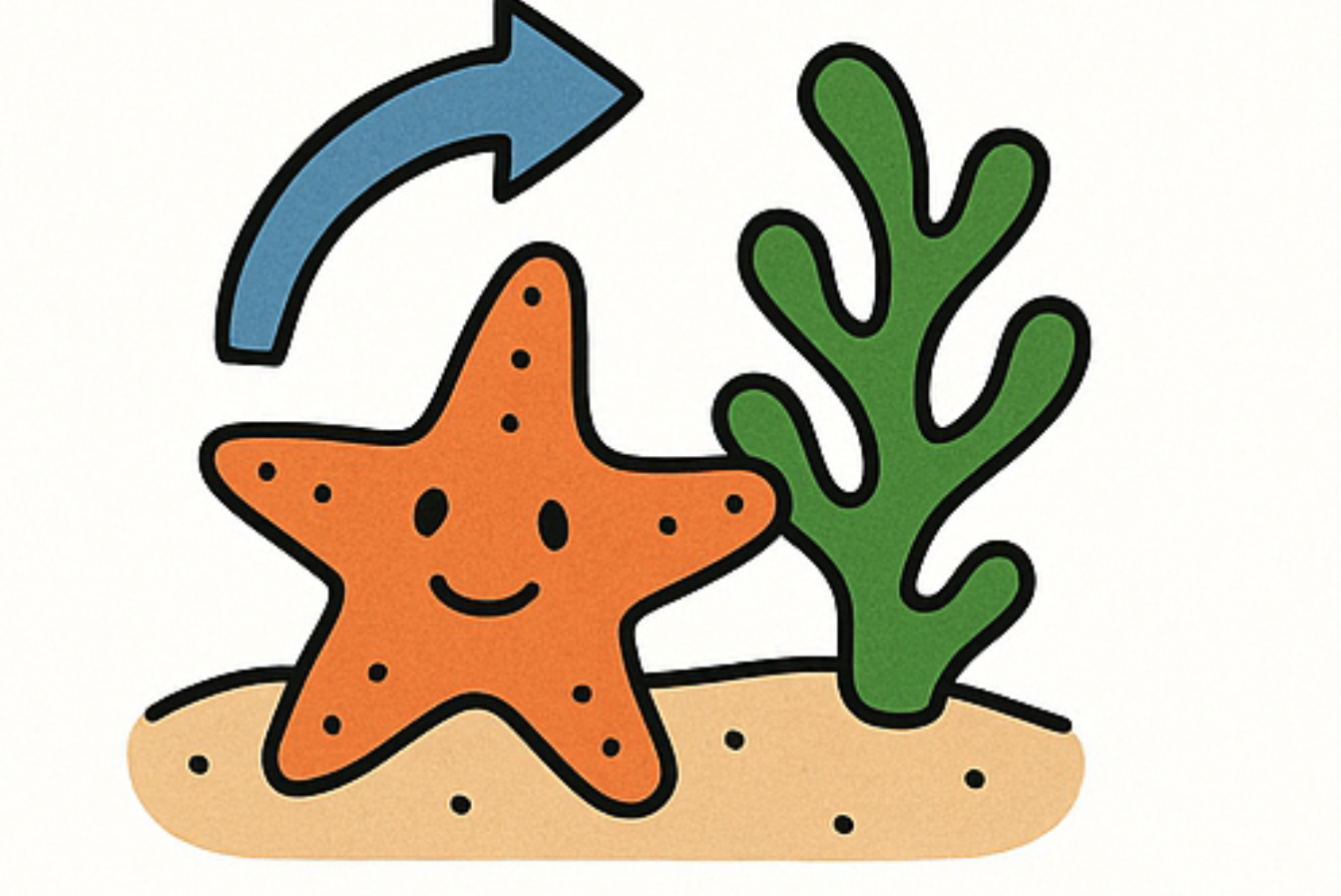 |
renewable (adjective) - tái tạo Renewable energy can help save the reef. (Năng lượng tái tạo có thể giúp cứu rạn san hô.) | 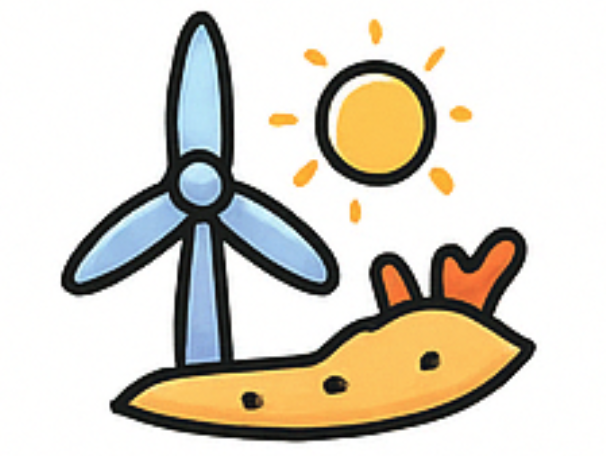 |
conservation (noun) - bảo tồn Conservation efforts include replanting corals. (Các nỗ lực bảo tồn bao gồm việc trồng lại san hô.) |  |
resilience (noun) - khả năng phục hồi Resilience helps ecosystems survive changes. (Khả năng phục hồi giúp hệ sinh thái sống sót qua các thay đổi.) | 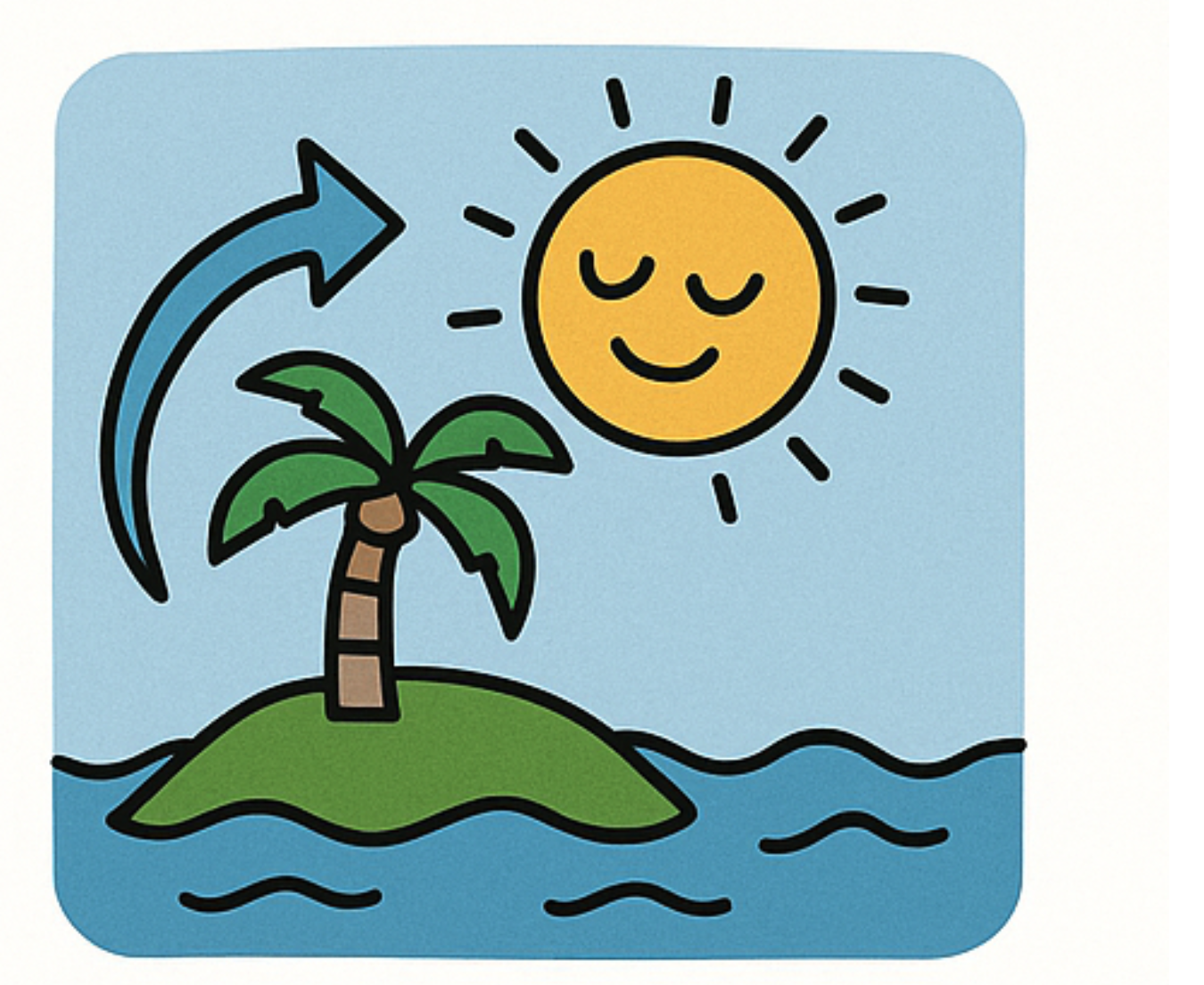 |
action (noun) - hành động We need global action to save the reef. (Chúng ta cần hành động toàn cầu để cứu rạn san hô.) |  |
sustainability (noun) - sự bền vững Sustainability ensures the reef’s future. (Sự bền vững đảm bảo tương lai của rạn san hô.) | 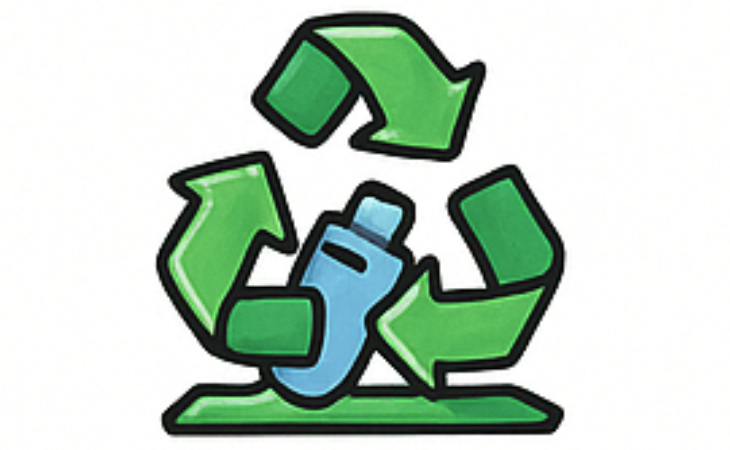 |
pollution (noun) - ô nhiễm Reducing pollution can protect the reef. (Giảm ô nhiễm có thể bảo vệ rạn san hô.) | 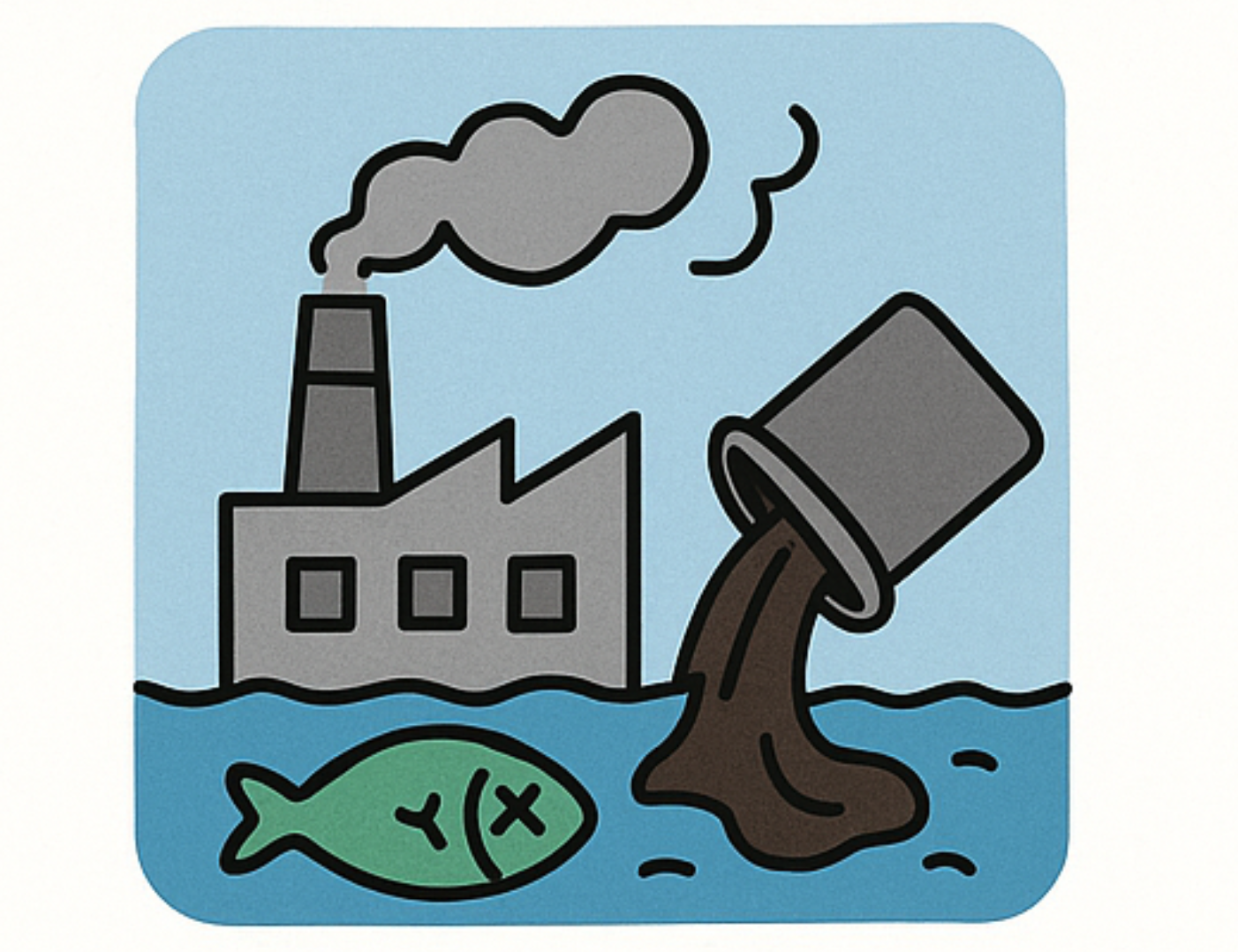 |
Xem thêm: Bài tập True/False/Not Given có đáp án - IELTS Reading Exercises
Part C: Vocabulary Exercise
Exercise 1: Match each word to its correct definition. Write the letter (A-J) next to the word.
Words | Definitions |
|---|---|
| A. The average heat of the air or water. |
Exercise 2: Read the passage below about the melting Arctic. Decide if each statement below is True (T), False (F), or Not Given (NG). Write T, F, or NG next to each statement.
The Arctic is among the regions experiencing the most rapid warming on the planet. In recent years, the region has seen record-high temperatures and shrinking ice coverage. As the ice melts, animals like polar bears and seals lose their natural habitat, making it harder for them to hunt and survive. Scientists call this a crisis caused by climate change, which is driven by rising greenhouse gas emissions.
These gases come mainly from human activities like burning fossil fuels and deforestation. As they build up in the atmosphere, they trap heat and raise global temperatures. This warming leads to ice melt, which contributes to rising sea levels around the world. The loss of Arctic ice also reduces the Earth’s ability to reflect sunlight, causing even more heat to be absorbed — a process called the albedo effect.
To slow this damage, people are turning to renewable energy and reducing carbon emissions. Governments are also supporting adaptation strategies, such as protecting animal migration paths and reducing shipping traffic in sensitive areas. These actions help increase resilience in Arctic ecosystems and protect biodiversity. Climate change in the Arctic is a sign that urgent action is needed to protect the planet.
1. The Arctic is warming faster than many other places.
2. Polar bears are gaining new habitats because of the ice melt.
3. Greenhouse gases are caused mainly by human actions.
4. Melting Arctic ice contributes to rising sea levels.
5. The albedo effect helps reflect heat back into space.
6. Shipping traffic is encouraged to grow in the Arctic.
7. Adaptation includes protecting wildlife migration routes.
8. Biodiversity in the Arctic is being protected through action.
Exercise 3A: Guessing the Meaning of New Vocabulary
Reading Passage: The Climate Strike Movement: Raising Awareness on Climate Change
The Climate Strike movement began in 2018 as an initiative to raise awareness about global warming. Started by Greta Thunberg, a young Swedish activist, it addresses the crisis of climate change. The movement quickly grew, with millions joining strikes worldwide to demand action. These protests increased public understanding of emissions from fossil fuels, showing how they harm the planet. High participation from students and activists made the movement powerful, spreading its message globally.
The strikes aim to push for mitigation, like using renewable energy, to reduce pollution. They have had a big effect, leading to new laws in some countries to protect the planet. However, the movement faces opposition from some groups who do not support the strikes. Despite this, the Climate Strike continues its advocacy for sustainability, encouraging protection of the environment through global efforts.
Initiative to raise awareness means:
a) A school project
b) A plan to help the planet
c) A new law
d) A type of energyUnderstanding of emissions means:
a) Knowledge about harmful gases
b) Building new factories
c) Reducing pollution
d) Ignoring the problemParticipation in the strikes means:
a) Watching TV
b) Joining the protests
c) Studying at school
d) Planting treesEffect of the strikes refers to:
a) A problem they cause
b) A change they make
c) A game they play
d) A song they singOpposition to the strikes means:
a) Support for the movement
b) People against the protests
c) New laws for climate
d) More students joiningAdvocacy for sustainability means:
a) Fighting against climate change
b) Building more factories
c) Using more fossil fuels
d) Ignoring the environmentProtection of the environment means:
a) Harming the planet
b) Keeping the planet safe
c) Cutting down trees
d) Building new cities
Exercise 3B: Short Answer Questions
Instructions: Answer the following questions in complete sentences based on the passage.
What is the Climate Strike movement trying to raise awareness about?
Who started the Climate Strike movement?
How does the movement help people understand emissions?
What is one goal of the Climate Strike movement?
What has been one effect of the Climate Strike movement?
Why do some groups oppose the Climate Strike movement?
What does the movement advocate for?
How does the movement encourage protection of the environment?
Exercise 4: Answer the following questions based on the reading passage in Part A: The Observable Effects of Climate Change on the Great Barrier Reef. Choose the best option (A, B, C, or D) for each question.
What is a synonym for "crisis" as used in the passage?
A) Solution
B) Problem
C) Success
D) BenefitWhat is a synonym for "impact" in the context of the passage?
A) Effect
B) Improvement
C) Damage
D) GrowthIn the sentence "This bleaching is a clear impact of global warming," what does "global warming" refer to?
A) A decrease in ocean temperatures
B) A rise in Earth’s temperature
C) A new type of coral
D) A conservation effortIn the phrase "conservation efforts, like replanting corals," what does "conservation efforts" refer to?
A) Actions to harm the reef
B) Actions to protect the reef
C) Actions to build cities
D) Actions to increase pollutionWhy are corals in the Great Barrier Reef turning white?
A) Because of cold water
B) Because of rising temperatures
C) Because of more fish
D) Because of new boatsWhat do fossil fuels do to the environment?
A) They reduce emissions
B) They release greenhouse gases
C) They cool the oceans
D) They protect the ozone layerHow can renewable energy help the Great Barrier Reef?
A) By increasing emissions
B) By lowering emissions
C) By cutting down forests
D) By harming biodiversityWhich statement below is TRUE according to the passage?
A) The Great Barrier Reef is not affected by climate change.
B) Coral bleaching happened in 2022.
C) Deforestation helps the reef survive.
D) Global warming cools the oceans.
Part D: Key and Explanation
Exercise 1: Matching Definitions
global warming - G (The long-term rise in Earth’s temperature.) - sự nóng lên toàn cầu
emissions - J (Gases released into the air, often harmful.) - khí thải
carbon - E (A gas that contributes to climate change.) - cacbon
temperature - A (The average heat of the air or water.) - nhiệt độ
renewable - D (Something that can be used again, like solar energy.) - tái tạo
fossil fuels - I (Fuels like coal and oil that release carbon.) - nhiên liệu hóa thạch
sea level - B (The height of the ocean’s surface.) - mực nước biển
deforestation - F (Cutting down trees over a large area.) - phá rừng
ecosystem - C (A system of living things and their environment.) - hệ sinh thái
action - H (Doing something to solve a problem.) - hành động
Exercise 2: True/False
1. The Arctic is warming faster than many other places.
Đáp án: True (Đúng)
Trích dẫn: “The Arctic is one of the fastest-warming places on Earth.”
Giải thích: Đoạn văn khẳng định rõ rằng Bắc Cực là một trong những nơi ấm lên nhanh nhất trên Trái Đất.
→ Đúng với nội dung đoạn văn.
2. Polar bears are gaining new habitats because of the ice melt.
Đáp án: False (Sai)
Trích dẫn: “As the ice melts, animals like polar bears and seals lose their natural habitat…”
Giải thích: Việc băng tan khiến gấu Bắc Cực mất đi môi trường sống, chứ không phải có thêm.
→ Ngược với nội dung đoạn văn.
3. Greenhouse gases are caused mainly by human actions.
Đáp án: True (Đúng)
Trích dẫn: “These gases come mainly from human activities like burning fossil fuels and deforestation.”
Giải thích: Khí nhà kính chủ yếu đến từ các hành động của con người như đốt nhiên liệu hóa thạch và phá rừng.
→ Hoàn toàn đúng với thông tin được nêu.
4. Melting Arctic ice contributes to rising sea levels.
Đáp án: True (Đúng)
Trích dẫn: “This warming leads to ice melt, which contributes to rising sea levels around the world.”
Giải thích: Việc băng tan ở Bắc Cực góp phần làm mực nước biển toàn cầu dâng cao.
→ Đúng với nội dung đoạn văn.
5. The albedo effect helps reflect heat back into space.
Đáp án: True (Đúng)
Trích dẫn: “The loss of Arctic ice also reduces the Earth’s ability to reflect sunlight, causing even more heat to be absorbed — a process called the albedo effect.”
Giải thích: Hiệu ứng albedo là quá trình mà bề mặt Trái Đất phản chiếu ánh sáng (và nhiệt) ra không gian. Khi băng tan, khả năng phản chiếu này giảm, dẫn đến hấp thụ nhiều nhiệt hơn.
→ Thông tin gián tiếp khẳng định điều này là đúng.
6. Shipping traffic is encouraged to grow in the Arctic.
Đáp án: False (Sai)
Trích dẫn: “...reducing shipping traffic in sensitive areas.”
Giải thích: Đoạn văn nói rằng cần giảm lượng tàu bè đi lại trong các khu vực nhạy cảm ở Bắc Cực, chứ không phải khuyến khích tăng.
→ Ngược với nội dung bài đọc.
7. Adaptation includes protecting wildlife migration routes.
Đáp án: True (Đúng)
Trích dẫn: “...adaptation strategies, such as protecting animal migration paths…”
Giải thích: Một trong các chiến lược thích nghi là bảo vệ tuyến di cư của động vật hoang dã.
→ Chính xác theo đoạn văn.
8. Biodiversity in the Arctic is being protected through action.
Đáp án: True (Đúng)
Trích dẫn: “These actions help increase resilience in Arctic ecosystems and protect biodiversity.”
Giải thích: Các hành động như thích nghi và bảo tồn đang giúp bảo vệ đa dạng sinh học ở Bắc Cực.
→ Đúng với nội dung đoạn văn.
Exercise 3A: Guessing the Meaning of New Vocabulary
initiative - b) A plan to help the planet (Sáng kiến)
understanding - a) Knowledge about harmful gases (Sự hiểu biết)
participation - b) Joining the protests (Sự tham gia)
effect - b) A change they make (Tác động)
opposition - b) People against the protests (Sự phản đối)
advocacy - a) Fighting against climate change (Vận động)
protection - b) Keeping the planet safe (Sự bảo vệ)
Exercise 3B: Short Answer Questions
Key and Vietnamese Explanation:
What is the Climate Strike movement trying to raise awareness about?
Key: The Climate Strike movement is trying to raise awareness about global warming.
Vietnamese Explanation: Đáp án đúng là phong trào Climate Strike đang cố gắng nâng cao nhận thức về sự nóng lên toàn cầu, vì đoạn văn nói rõ rằng mục tiêu của phong trào là về global warming. Các vấn đề khác như ô nhiễm nước hoặc phá rừng không được nhắc đến trong đoạn văn.
Who started the Climate Strike movement?
Key: Greta Thunberg started the Climate Strike movement.
Vietnamese Explanation: Đáp án đúng là Greta Thunberg, vì đoạn văn nói rằng cô ấy, một nhà hoạt động trẻ người Thụy Điển, đã bắt đầu phong trào Climate Strike. Không có người nào khác được đề cập là người khởi xướng phong trào này.
How does the movement help people understand emissions?
Key: The movement helps people understand emissions by showing how fossil fuels harm the planet.
Vietnamese Explanation: Đáp án đúng là phong trào giúp mọi người hiểu về khí thải bằng cách cho thấy nhiên liệu hóa thạch gây hại cho hành tinh, vì đoạn văn nói rằng các cuộc đình công làm tăng sự hiểu biết về khí thải từ nhiên liệu hóa thạch. Các cách khác như tổ chức hội thảo hoặc phát sách không được đề cập.
What is one goal of the Climate Strike movement?
Key: One goal of the Climate Strike movement is to push for mitigation, like using renewable energy.
Vietnamese Explanation: Đáp án đúng là thúc đẩy giảm thiểu, như sử dụng năng lượng tái tạo, vì đoạn văn nói rằng phong trào yêu cầu giảm thiểu (mitigation) bằng cách sử dụng năng lượng tái tạo. Các mục tiêu khác như trồng rừng hoặc cấm nhựa không được đề cập cụ thể.
What has been one effect of the Climate Strike movement?
Key: One effect of the Climate Strike movement has been new laws in some countries.
Vietnamese Explanation: Đáp án đúng là dẫn đến luật mới ở một số quốc gia, vì đoạn văn nói rằng phong trào đã có tác động, dẫn đến luật mới để bảo vệ hành tinh. Các tác động khác như tăng du lịch hoặc giảm khí thải không được đề cập cụ thể.
Why do some groups oppose the Climate Strike movement?
Key: Some groups oppose the Climate Strike movement because they do not support the strikes.
Vietnamese Explanation: Đáp án đúng là vì một số nhóm không ủng hộ các cuộc đình công, như đoạn văn đã đề cập rằng phong trào gặp sự phản đối (opposition) từ một số nhóm không ủng hộ. Các lý do khác như thiếu tiền hoặc không quan tâm không được đề cập.
What does the movement advocate for?
Key: The movement advocates for sustainability.
Vietnamese Explanation: Đáp án đúng là phong trào vận động cho sự bền vững, vì đoạn văn nói rằng Climate Strike tiếp tục vận động (advocacy) cho sự bền vững (sustainability). Các mục tiêu khác như giáo dục hoặc công nghiệp không được đề cập trong ngữ cảnh này.
How does the movement encourage protection of the environment?
Key: The movement encourages protection of the environment through global efforts.
Vietnamese Explanation: Đáp án đúng là thông qua các nỗ lực toàn cầu, vì đoạn văn nói rằng phong trào khuyến khích bảo vệ (protection) môi trường qua các nỗ lực toàn cầu. Các cách khác như tổ chức hội thảo hoặc tài trợ không được đề cập cụ thể.
Exercise 4: Comprehension Questions Based on Part A (Tier 3)
Key and Vietnamese Explanation:
What is a synonym for "crisis" as used in the passage?
Key: B) Problem
Vietnamese Explanation: Đáp án đúng là "Problem" (vấn đề), vì "crisis" trong đoạn văn nói về tình trạng nghiêm trọng mà rạn san hô đang đối mặt do biến đổi khí hậu, có nghĩa là một vấn đề. "Solution" (giải pháp) và "Benefit" (lợi ích) là trái ngược, còn "Success" (thành công) không phù hợp.
What is a synonym for "impact" in the context of the passage?
Key: A) Effect
Vietnamese Explanation: Đáp án đúng là "Effect" (tác động), vì "impact" trong đoạn văn nói về ảnh hưởng của sự nóng lên toàn cầu lên hiện tượng tẩy trắng san hô, tương ứng với hiệu ứng hoặc tác động. "Improvement" (cải thiện) và "Growth" (tăng trưởng) không đúng, còn "Damage" (thiệt hại) chỉ là một phần của tác động, không phải từ đồng nghĩa.
In the sentence "This bleaching is a clear impact of global warming," what does "global warming" refer to?
Key: B) A rise in Earth’s temperature
Vietnamese Explanation: Đáp án đúng là "A rise in Earth’s temperature" (sự gia tăng nhiệt độ của Trái Đất), vì "global warming" trong đoạn văn ám chỉ sự nóng lên toàn cầu, tức là nhiệt độ Trái Đất tăng. "A decrease in ocean temperatures" (giảm nhiệt độ đại dương) là sai, còn "A new type of coral" (loại san hô mới) và "A conservation effort" (nỗ lực bảo tồn) không liên quan.
In the phrase "conservation efforts, like replanting corals," what does "conservation efforts" refer to?
Key: B) Actions to protect the reef
Vietnamese Explanation: Đáp án đúng là "Actions to protect the reef" (hành động bảo vệ rạn san hô), vì "conservation efforts" trong đoạn văn nói về các nỗ lực bảo tồn như trồng lại san hô để bảo vệ rạn. "Actions to harm the reef" (hành động gây hại) và "Actions to build cities" (xây thành phố) là sai, còn "Actions to increase pollution" (tăng ô nhiễm) không phù hợp.
Why are corals in the Great Barrier Reef turning white?
Key: B) Because of rising temperatures
Vietnamese Explanation: Đáp án đúng là "Because of rising temperatures" (vì nhiệt độ tăng), vì đoạn văn nói rằng san hô bị tẩy trắng do nhiệt độ tăng gây căng thẳng cho chúng. "Because of cold water" (nước lạnh), "Because of more fish" (nhiều cá hơn), và "Because of new boats" (tàu mới) không đúng với nội dung.
What do fossil fuels do to the environment?
Key: B) They release greenhouse gases
Vietnamese Explanation: Đáp án đúng là "They release greenhouse gases" (chúng thải ra khí nhà kính), vì đoạn văn nói rằng đốt nhiên liệu hóa thạch (fossil fuels) thải ra khí nhà kính, gây nóng lên. "They reduce emissions" (giảm khí thải) và "They cool the oceans" (làm mát đại dương) là sai, còn "They protect the ozone layer" (bảo vệ tầng ozone) không đúng.
How can renewable energy help the Great Barrier Reef?
Key: B) By lowering emissions
Vietnamese Explanation: Đáp án đúng là "By lowering emissions" (bằng cách giảm khí thải), vì đoạn văn nói rằng năng lượng tái tạo (renewable energy) có thể làm giảm khí thải, giúp cứu rạn san hô. "By increasing emissions" (tăng khí thải), "By cutting down forests" (phá rừng), và "By harming biodiversity" (gây hại đa dạng sinh học) là sai.
Which statement below is TRUE according to the passage?
Key: B) Coral bleaching happened in 2022.
Vietnamese Explanation: Đáp án đúng là "Coral bleaching happened in 2022" (hiện tượng tẩy trắng san hô xảy ra năm 2022), vì đoạn văn nói rằng rạn san hô trải qua sự kiện tẩy trắng lớn vào năm 2022. "The Great Barrier Reef is not affected by climate change" (không bị ảnh hưởng) và "Global warming cools the oceans" (làm mát đại dương) là sai, còn "Deforestation helps the reef survive" (phá rừng giúp rạn san hô sống sót) không đúng.
Unit 15 đã cung cấp cái nhìn sâu sắc về Biến đổi Khí hậu, từ hiện tượng tẩy trắng san hô tại Rạn san hô Great Barrier đến phong trào Climate Strike nâng cao nhận thức. Bạn đã học các từ vựng quan trọng như khí thải, giảm thiểu và bảo tồn, giúp hiểu rõ hơn về tác động của biến đổi khí hậu. Đồng thời, đơn vị nhấn mạnh vai trò của hành động toàn cầu và sự bền vững. Những kiến thức này sẽ hỗ trợ bạn đọc hiểu các đoạn văn IELTS về biến đổi khí hậu một cách hiệu quả.
- Học từ vựng IELTS Reading theo Conceptual Learning
- Học từ vựng IELTS Reading theo Conceptual Learning: Các khám phá và phát hiện khảo cổ
- Học từ vựng IELTS Reading theo Conceptual Learning: Giá trị Lịch Sử và Văn Hóa từ khảo cổ
- Học từ vựng IELTS Reading theo Conceptual Learning: Công nghệ trong khảo cổ
- Từ vựng IELTS Reading General Training Section 1 - Chủ đề: Sử dụng nước
- Từ vựng IELTS Reading General Training Section 1 - Chủ đề: Tái chế rác thải
- Từ vựng IELTS Reading General Training Section 1 - Chủ đề: Phương tiện công cộng
- Từ vựng IELTS Reading General Training Section 1 - Chủ đề: Công viên địa phương
- Từ vựng IELTS Reading General Training Section 1 - Chủ đề: Các khoá học cho người lớn
- Từ vựng IELTS Reading General Training Section 1 - Chủ đề: Dịch vụ thư viện
- Từ vựng IELTS Reading General Training Section 1 - Chủ đề: Hoạt động tình nguyện
Tham vấn chuyên môn
Tôi đã có gần 3 năm kinh nghiệm giảng dạy IELTS tại ZIM, với phương châm giảng dạy dựa trên việc phát triển toàn diện năng lực ngôn ngữ và chiến lược làm bài thi thông qua các phương pháp giảng dạy theo khoa học. Điều này không chỉ có thể giúp học viên đạt kết quả vượt trội trong kỳ thi, mà còn tạo nền tảng vững chắc cho việc sử dụng ngôn ngữ hiệu quả trong đời sống, công việc và học tập trong tương lai. Ngoài ra, tôi còn tích cực tham gia vào các dự án học thuật quan trọng tại ZIM, đặc biệt là công tác kiểm duyệt và đảm bảo chất lượng nội dung các bài viết trên nền tảng website.
Bình luận - Hỏi đáp