Chủ đề “Public Health” xoay quanh các chiến dịch y tế, tiêm chủng, tuyên truyền nhằm nâng cao sức khoẻ người dân, phòng ngừa và ngăn chặn các dịch bệnh.
Một số từ vựng thuộc chủ đề Public Health: epidemic, pandemic, vaccination, healthcare effort, access, prevention, hygiene, infection, public awareness campaign, symptom, early screening, nutrition, immune system, lockdown , intervention, cure, treatment
Public Health hay Sức khoẻ cộng động là một trong những chủ đề thường gặp trong bài thi IELTS Reading. Các bài đọc chủ yếu xoay quanh những vấn đề liên quan đến dịch bệnh, phòng bệnh, chữa bệnh và nâng cao ý thức sức khoẻ của cộng đồng. Bài viết sau sẽ giới thiệu về IELTS Reading | Concepts and Vocabulary - Unit 5: Public Health, bao gồm danh sách các từ vựng quan trọng, bài tập vận dụng và lời giải chi tiết.
Public health refers to efforts made to protect and improve the well-being of individuals and communities. It involves health campaigns, vaccinations, and access to healthcare. This unit will introduce you to key vocabulary related to public health, which is essential for understanding IELTS Reading passages on this topic.
Y tế công cộng là những nỗ lực nhằm bảo vệ và cải thiện sức khỏe của cá nhân và cộng đồng. Lĩnh vực này tập trung vào các chiến dịch y tế, tiêm chủng, và khả năng tiếp cận dịch vụ chăm sóc sức khỏe. Unit này sẽ giới thiệu cho người học các từ vựng chính liên quan đến y tế công cộng.
Before You Read
Connect with the topic. Check (✓) your answers to these questions about archaeology:
Have you ever joined a public health campaign (like a clean-up or anti-smoking event)?
□ Yes □ No
Have you ever received a vaccine at school or a local clinic?
□ Yes □ No
What can help stop the spread of disease?
□ Washing hands □ Sharing drinks □ Sneezing openly □ Touching your face
What is a common public health message?
□ Eat more fruits and vegetables □ Watch more TV □ Stay up all night □ Skip breakfast
default caption
Part A: Reading
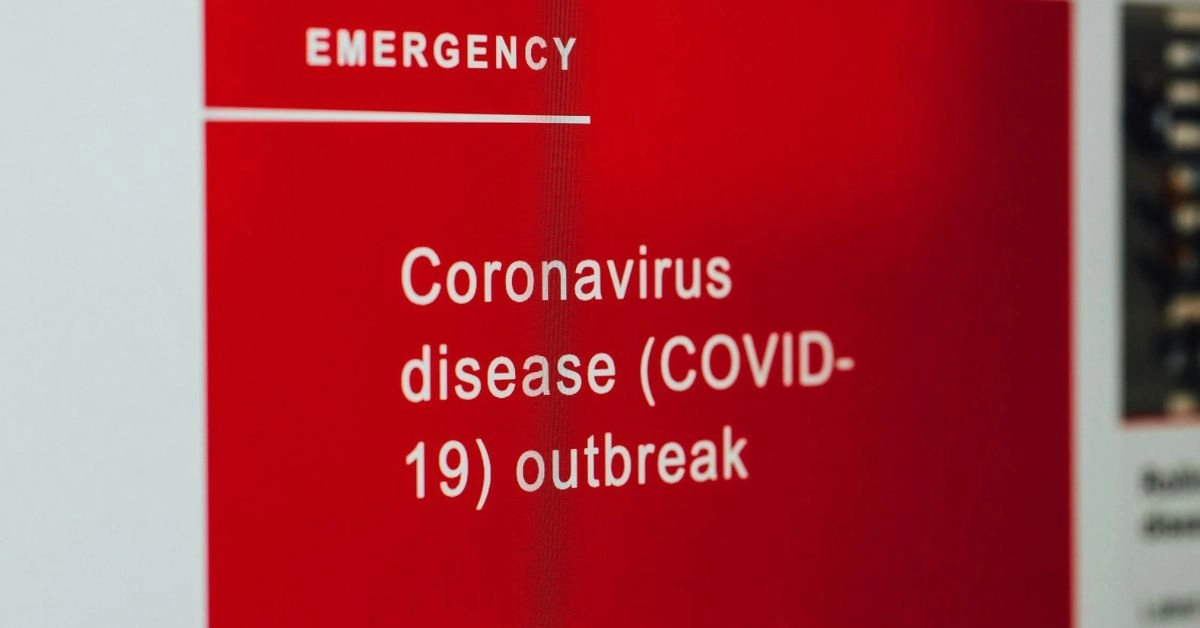
Public Health and Epidemics: Lessons from COVID-19
Default caption
The COVID-19 pandemic reminded the world how important public health is in protecting communities. When a dangerous disease spreads quickly across countries, it becomes an epidemic or even a pandemic. These events affect not only people's health but also education, work, and the global economy. For example, during the peak of COVID-19 in 2020, over 190 countries closed schools and many businesses had to shut down. COVID-19 caused over 6 million deaths globally, making it one of the biggest public health challenges in modern history.
One of the most effective tools in fighting a disease like COVID-19 is vaccination. Vaccines help the body build protection before people get sick. By the end of 2021, more than 9 billion vaccine doses had been given worldwide. Thanks to global healthcareefforts, many countries reached high vaccination rates. However, not everyone had equal access to these vaccines. In many low-income countries, fewer than 10% of people were fully vaccinated by late 2021. -
Prevention is also a key part of public health. Simple actions such as wearing masks, practicing good hygiene like handwashing with soap, and avoiding crowded places helped reduce the number of infections. Public awarenesscampaigns were launched through TV, social media, and posters to teach people how to recognize symptoms such as fever, dry cough, sore throat, and loss of smell. Early screening at airports and hospitals also helped limit the spread.
Apart from medical care, nutrition plays an important role in disease prevention. People with strong immune systems, often supported by a balanced diet with enough vitamins and minerals, were less likely to suffer from severe illness. During lockdowns, many governments organized food packages and community kitchens for families in need. These interventions helped improve both physical and mental health.
In the long term, COVID-19 has changed how we see public health. It showed the importance of early action, international collaboration, and building strong health systems. Public health is not just about curing disease but also about planning, education, and prevention. By improving access to healthcare, encouraging early treatment, and raising public understanding, we can better protect our global community from future health threats.
Public health(noun phrase) – y tế công cộng Public health helps protect people’s health through education and disease prevention. (Y tế công cộng giúp bảo vệ sức khỏe con người thông qua giáo dục và phòng bệnh.)
default caption
Epidemic (noun) – dịch bệnh (lan rộng trong một khu vực) There was an epidemic of flu in the city last winter. (Mùa đông năm ngoái, thành phố xảy ra một trận dịch cúm.)
Default caption
Pandemic(noun) – đại dịch (lan rộng toàn cầu) COVID-19 became a global pandemic in early 2020. (COVID-19 đã trở thành một đại dịch toàn cầu vào đầu năm 2020.)
Default caption
Vaccination (noun) – tiêm chủng Vaccination helps prevent serious diseases like measles or COVID-19. (Tiêm chủng giúp ngăn ngừa các bệnh nghiêm trọng như sởi hoặc COVID-19.)
Default caption
Healthcare effort (noun phrase) – nỗ lực chăm sóc y tế Healthcare efforts during the pandemic saved millions of lives. (Những nỗ lực chăm sóc y tế trong đại dịch đã cứu sống hàng triệu người.)
Default caption
Access (noun) – khả năng tiếp cận Many rural areas still have limited access to healthcare services. (Nhiều vùng nông thôn vẫn còn hạn chế khả năng tiếp cận các dịch vụ y tế.)
Default caption
Prevention (noun) – sự phòng ngừa Good hygiene is one of the best methods of disease prevention. (Vệ sinh tốt là một trong những phương pháp phòng bệnh hiệu quả nhất.)
Default caption
Hygiene (noun) – vệ sinh Washing hands regularly is a basic hygiene practice. (Rửa tay thường xuyên là một thói quen vệ sinh cơ bản.)
Default caption
Infection (noun) – nhiễm trùng, sự lây nhiễm The doctor gave antibiotics to treat the infection. (Bác sĩ đã kê thuốc kháng sinh để điều trị nhiễm trùng.)
Default caption
Public awareness campaign (noun phrase) – chiến dịch nâng cao nhận thức cộng đồng The government launched a public awareness campaign about COVID-19 safety. (Chính phủ đã phát động một chiến dịch nâng cao nhận thức cộng đồng về an toàn COVID-19.)
Default caption
Symptom (noun)– triệu chứng Common symptoms of COVID-19 include fever and cough. (Triệu chứng phổ biến của COVID-19 bao gồm sốt và ho.)
Default caption
Early screening (noun phrase) – sàng lọc sớm Early screening helps doctors detect diseases before they become serious. (Sàng lọc sớm giúp bác sĩ phát hiện bệnh trước khi trở nên nghiêm trọng.)
Default caption
Nutrition (noun)– dinh dưỡng Good nutrition is important for staying healthy during illness. (Dinh dưỡng tốt rất quan trọng để duy trì sức khỏe trong thời gian bị bệnh.)
Default caption
Immune system (noun phrase)– hệ miễn dịch A strong immune system protects you from many infections. (Một hệ miễn dịch khỏe mạnh giúp bạn chống lại nhiều bệnh truyền nhiễm.)
Default caption
Lockdown (noun)– phong tỏa The country went into lockdown to stop the virus from spreading. (Đất nước đã thực hiện lệnh phong tỏa để ngăn virus lây lan.)
Default caption
Intervention (noun) – sự can thiệp Government intervention helped reduce the number of COVID-19 cases. (Sự can thiệp của chính phủ đã giúp giảm số ca mắc COVID-19.)
Default caption
Cure (noun)– phương pháp chữa khỏi bệnh Doctors are still searching for a cure for some viral diseases. (Các bác sĩ vẫn đang tìm kiếm phương pháp chữa khỏi một số bệnh do virus gây ra.)
Default caption
Treatment (noun) – phương pháp điều trị She received treatment at a hospital for her lung infection. (Cô ấy đã được điều trị tại bệnh viện vì bị nhiễm trùng phổi.)
A. A large outbreak of disease that affects many people in different countries.
2. Pandemic
B. A situation where many people in one area get the same disease at the same time.
3. Access
C. A health test done before symptoms appear to find illness early.
4. Prevention
D. The ability to get or use something, such as healthcare or medicine.
5. Hygiene
E. A planned action to improve a health situation or stop a problem.
6. Early screening
F. A strict stay-at-home rule used to limit movement and stop disease spread.
7. Lockdown
G. Practices like washing hands to stay clean and avoid disease.
8. Intervention
H. Actions taken to stop something bad, like illness, from happening.
Bài tập 2. Điền từ còn thiếu vào chỗ trống.
In recent years, many countries have increased their (1) ______ to reduce the spread of deadly diseases. One key method is promoting (2) ______, which helps the body fight against viruses and bacteria. When people receive vaccines, their (3) ______ becomes stronger, making them less likely to get sick. However, without proper hygiene and public education, (4) ______ can still happen quickly in crowded areas. That’s why a (5) ______ is important to help people understand how to protect themselves and others.
A. social media use B. healthcare efforts C. school program D. transportation
A. pollution B. vaccination C. relaxation D. medication
A. immune system B. nervous system C. transport system D. education system
A. conversation B. infection C. motivation D. prevention
A. holiday plan B. public awareness campaign C. private discussion D. fitness routine
Điền từ thích hợp vào chỗ trống để hoàn thành đoạn văn, sau đó trả lời các câu hỏi.
malnutrition
outreach
obesity
lifestyle
diet
One major focus of public health today is promoting good nutrition to prevent chronic diseases. A poor (1) __________ that lacks essential vitamins and minerals can lead to (2) __________, especially in children and the elderly. This condition weakens the body, making people more vulnerable to illness and poor growth.
To address this, governments often organize health (3) __________programs that visit rural or low-income areas. These programsprovide information, free checkups, and sometimes food packages to improve overall well-being.
Another challenge is the lack of access to healthy food. In places known as food deserts, people live far from supermarkets or fresh markets. Instead, they rely on fast food or convenience stores. This situation increases the risk of heart disease, (4) __________, and other health problems.
Public health experts believe that long-term solutions must focus on changing people’s (5) __________ through education and community support. Teaching people how to cook healthy meals, read nutrition labels, and stay physically active can make a big difference.
What does “this condition” in paragraph 1 refer to?
A. Chronic disease B. Malnutrition C. Good nutrition D. Healthy meals
What is the meaning of the word “outreach”?
A. A hospital treatment given to very sick patients B. A way to reach and support people in the community C. A public place where people gather to exercise D. A study about how diseases spread between people
What can we infer about people living in food deserts?
A. They eat fast food because they enjoy it B. They receive regular health screenings C. They have fewer choices for healthy food D. They grow their own vegetables
Bài tập 4. Đọc lại bài đọc ở phần A và trả lời câu hỏi sau.
What does “these vaccines” in paragraph 2 refer to?
A. A treatment B. A diagnostic test C. A preventive method D. Vitamins and supplements
What can be inferred about countries with low vaccination rates?
A. They had stronger health systems B. They were less affected by COVID-19 C. They lacked enough resources or support D. They refused international aid
What does “hygiene” most likely mean in paragraph 3?
A. Staying at home B. Cleaning and healthy practices C. Eating organic food D. Taking vitamins
What does “these interventions” in paragraph 4 refer to?
A. Hospitals and medicines B. Food packages and community kitchens C. COVID-19 tests D. Online health surveys
5-7. List 3 examples of public health actions mentioned in the text. Write no more than three words for each answer.
According to the passage, what does the term “public health” involve? ________________________________________________________________________________.
Part D: Key and Explanation
Bài tập 1.
1. Epidemic
B. A situation where many people in one area get the same disease at the same time.
2. Pandemic
A. A large outbreak of disease that affects many people in different countries.
3. Access
D. The ability to get or use something, such as healthcare or medicine.
4. Prevention
H. Actions taken to stop something bad, like illness, from happening.
5. Hygiene
G. Practices like washing hands to stay clean and avoid disease.
6. Early screening
C. A health test done before symptoms appear to find illness early.
7. Lockdown
F. A strict stay-at-home rule used to limit movement and stop disease spread.
8. Intervention
E. A planned action to improve a health situation or stop a problem.
Bài tập 2.
1 – B. healthcare efforts (những nỗ lực chăm sóc sức khoẻ) 2 – B. vaccination (tiêm chủng) 3 – A. immune system (hệ miễn dịch) 4 – B. infection (sự lây nhiễm) 5 – B. public awareness campaign (chiến dịch nâng cao nhận thức cộng đồng)
Vị trí thông tin: "A poor diet that lacks essential vitamins and minerals can lead to malnutrition, especially in children and the elderly. This condition weakens the body..."
Giải thích:
"This condition” chỉ một vấn đề mang tính tiêu cực, ảnh hưởng xấu đến sức khoẻ (“weakens the body”).
Câu trước đề cập suy dinh dưỡng (“malnutrition”) là hậu quả của một chế độ ăn thiếu dưỡng chất (“a poor diet”).
→ "this condition" = malnutrition. → B là đáp án đúng.
A. Chronic disease không được nhắc tới ngay trước "this condition".
B. Good nutrition và D. Healthy meals mang nghĩa tích cực, không phải là "một tình trạng xấu".
7 — B. A way to reach and support people in the community
Từ khoá: outreach
Vị trí thông tin: “…governments often organize health outreach programs. These programs provide information, free checkups, and sometimes food support.”
Giải thích:
“health outreach programs” chỉ các chương trình tiếp cận y tế cộng đồng, cung cấp thông tin y tế và các dịch vụ liên quan đến người dân. → “outreach” nghĩa là tiếp cận và hỗ trợ cộng đồng. → B là đáp án đúng
“hospital treatment” (điều trị tại bệnh viện), “public place” (địa điểm công cộng), “study” (nghiên cứu) không phải ý nghĩa của “outreach”.
8 — C. They have fewer choices for healthy food
Từ khoá: people, food deserts
Vị trí thông tin: “Another challenge is the lack of access to healthy food. In places known as food deserts, people live far from supermarkets or fresh markets. Instead, they rely on fast food or convenience stores.”
Giải thích:
“food deserts” là những nơi không có siêu thị hoặc chợ tươi sống gần người dân (“live far from supermarkets or fresh markets”), dẫn đến thiếu thực phẩm lành mạnh (“lack of access to healthy food”). → C là đáp án đúng.
Không có thông tin về việc người dân thích (“enjoy”) thức ăn nhanh, tầm soát bệnh thường xuyên (“regular health screenings”) hay việc tự trồng rau củ (“grow their own vegetables”).
Bài tập 4.
1 — C. A preventive method
Từ khóa: “vaccines”
Vị trí thông tin: “Vaccines help the body build protection before people get sick.”
Giải thích:
Vaccine giúp cơ thể xây dựng cơ chế bảo vệ (“build protection”) trước khi mắc bệnh (“before people get sick”).
→ Vaccine là biện pháp phòng ngừa (“A preventive method”). → C là đáp án đúng
Vaccine” không phải biện pháp điều trị, xét nghiệm chẩn đoán hay thuốc bổ, vitamin.
2 — They lacked enough resources or support
Từ khoá: low vaccination rate
Vị trí thông tin: “However, not everyone had equal access to these vaccines. In many low-income countries, fewer than 10% of people were fully vaccinated by late 2021.”
Giải thích:
Những nước có tỉ lệ tiêm chủng thấp do không được tiếp cận đủ với nguồn vaccine (“not everyone had equal access to these vaccines”). → C là đáp án đúng.
Không có thông tin để suy luận rằng những nước này có hệ thống y tế mạnh hơn (“stronger health systems”), ít chịu ảnh hưởng bởi dịch bệnh (“less affected by COVID-19”) hay từ chối sự hỗ trợ quốc tế (“refused international aid”).
3 — B. Cleaning and healthy practices.
Từ khoá: hygiene
Vị trí thông tin: “Prevention is also a key part of public health. Simple actions such as wearing masks, practicing good hygiene like handwashing with soap, and avoiding crowded places helped reduce the number of infections.”
Giải thích:
Một ví dụ của “hygiene” là rửa tay với xà phòng (“handwashing with soap”). Vì vậy, “hygiene” chỉ những biện pháp giúp giữ sạch sẽ. → B là đáp án đúng.
“Hygiene” không liên quan đến việc ở trong nhà (“staying at home”), dùng thực phẩm hữu cơ (“eating organic food”) hay bổ sung vitamin (“taking vitamins”).
4 — B. Food packages and community kitchens
Từ khoá: these interventions
Vị trí thông tin: “During lockdowns, many governments organized food packages and community kitchens for families in need. These interventions helped improve both physical and mental health.”
Giải thích:
“These interventions” chỉ những việc làm giúp cải thiện sức khoẻ tinh thần và thể chất (“improve both physical and mental health”). Trong câu trước, tác giả đề cập những biện pháp của chính phủ trong thời gian cách ly bao gồm sắp xếp những khẩu phần thức ăn và nhà bếp cộng đồng (“organized food packages and community kitchens”).
→ B là đáp án đúng.
Bài viết không đề cập đến bệnh viện và thuốc (“hospitals and medicines”), xét nghiệm COVID-19 (“COVID-19 tests”) và khảo sát sức khoẻ trực tuyến (“Online health surveys”).
5 — Vaccination (in any order)
6 — Public awareness campaigns (in any order)
7 — Early screening at airports and hospitals (in any order)
Từ khoá: public health actions
Vị trí thông tin:
“One of the most effective tools in fighting a disease like COVID-19 is vaccination. Vaccines help the body build protection before people get sick.”
“Public awareness campaigns were launched through TV, social media, and posters to teach people how to recognize symptoms such as fever, dry cough, sore throat, and loss of smell. Early screening at airports and hospitals also helped limit the spread.”
Giải thích:
Các hành động vì sức khoẻ cộng đồng được đề cập trong bài bao gồm:
Tiêm chủng (“vaccination”) giúp tăng sức khoẻ người dân (“help the body build protection before people get sick”).
Chiến dịch nhận thức cộng đồng (“public awareness campaigns”) hướng dẫn người dân nhận biết các triệu chứng (“teach people how to recognize symptoms”).
Tầm soát bệnh sớm tại sân bay và bệnh viện (“early screening at airports and hospitals”) giúp hạn chế lây lan bệnh (“helped limit the spread”).
8 — Gợi ý: curing disease, planning, education, and prevention.
Từ khoá: public health, involve
Vị trí thông tin: “Public health is not just about curing disease but also about planning, education, and prevention.”
Giải thích: Vào cuối bài viết, tác giả kết luận rằng sức khoẻ cộng đồng (“public health”) không chỉ liên quan đến việc chữa bệnh (“curing disease”) mà còn về lập kế hoạch (“planning”), giáo dục (“education”) và phòng ngừa (“prevention”).
Bài viết trên đã giới thiệu các từ vựng phổ biến thuộc chủ đề IELTS Reading | Concepts and Vocabulary - Unit 5: Public Health kèm bài đọc ứng dụng những từ vựng này và các bài tập. Người học cần nắm rõ nghĩa của từ và thường xuyên luyện tập để làm tốt các bài thi liên quan đến chủ đề này. Người học có thể tìm đọc thêm các bài viết trên blog của ZIM để tìm hiểu thêm về các từ vựng quan trọng và kỹ năng cần thiết khi làm bài IELTS Reading.
Nhiều thí sinh IELTS thường gặp khó khăn với phần thi Reading do áp lực thời gian và khối lượng thông tin lớn. IELTS Reading Essential Guide là tuyển tập các phương pháp và kỹ thuật thiết yếu giúp nâng cao điểm số, bao gồm Skimming để nắm bắt ý chính, Scanning để xác định thông tin chi tiết, Chunking để xử lý cấu trúc ngữ pháp phức tạp, cùng phương pháp đọc mở rộng và đọc chuyên sâu. Tài liệu được biên soạn tỉ mỉ bởi đội ngũ giảng viên ZIM và được cung cấp miễn phí cho học viên đã đăng nhập. Liên hệ Hotline 1900-2833 (nhánh số 1) để được tư vấn chi tiết.
Triết lý giáo dục: "Không ai bị bỏ lại phía sau" (Leave no one behind). Mọi học viên đều cần có cơ hội học tập và phát triển phù hợp với mức độ tiếp thu và tốc độ học tập riêng của mình.









Bình luận - Hỏi đáp