

Từ vựng IELTS Reading chủ đề Urbanization - Đô thị hóa, kèm ví dụ và minh họa, giúp hiểu sâu bài đọc, đặc biệt về các vấn đề liên quan như quy hoạch, di cư, nhà ở và bất bình đẳng đô thị, v.v
Bài tập vận dụng các cấp độ kèm giải thích chi tiết hỗ trợ thực hành và ghi nhớ từ vựng về Urbanization
IELTS Reading I Concepts and Vocabulary - Unit 12: Urbanization
Bài viết giới thiệu từ vựng phổ biến trong IELTS Reading về Urbanization và bài tập tổng hợp giúp luyện tập, với đáp án và giải thích chi tiết.
Key takeaways
Bài viết cung cấp danh sách từ vựng IELTS Reading phổ biến thuộc chủ đề Urbanization - Đô thị hóa, một chủ đề thường gặp trong các bài đọc IELTS. Danh sách 20 từ vựng kèm bản dịch, ví dụ và hình ảnh minh họa sẽ giúp người học mở rộng vốn từ, dễ dàng hơn trong việc đọc hiểu và trả lời các câu hỏi của bài đọc. Ngoài ra, bài viết còn bao gồm các bài tập vận dụng, sắp xếp theo cấp độ từ dễ đến khó, giúp người học luyện tập và vận dụng hiệu quả các từ vựng vừa học về Urbanization. Các bài tập đều có bài giải kèm theo, với giải thích chi tiết để người học có thể sử dụng như một tài liệu hỗ trợ hữu ích trong quá trình tự học.
Xem lại bài trước: IELTS Reading | Concepts and Vocabulary Unit 11: Education Systems
Mở đầu
Urbanization is the process of population movement from rural areas to cities, focusing on the growth and development of urban spaces. It involves changes in lifestyle, economic opportunities, infrastructure expansion, and challenges like overcrowding and pollution. This unit will introduce you to key vocabulary related to urbanization to help you better understand IELTS reading passages about this topic.
Đô thị hóa (Urbanization) là quá trình di chuyển dân số từ vùng nông thôn lên các thành phố, tập trung vào sự phát triển và mở rộng của các khu đô thị. Quá trình này bao gồm những thay đổi trong lối sống, cơ hội kinh tế, mở rộng cơ sở hạ tầng, cùng với những thách thức như tình trạng quá tải dân số và ô nhiễm. Chương 12 sẽ giới thiệu đến người học những từ vựng chính về đô thị hóa để có thể hiểu rõ hơn các bài IELTS Reading về chủ đề Urbanization này.
Before You Read
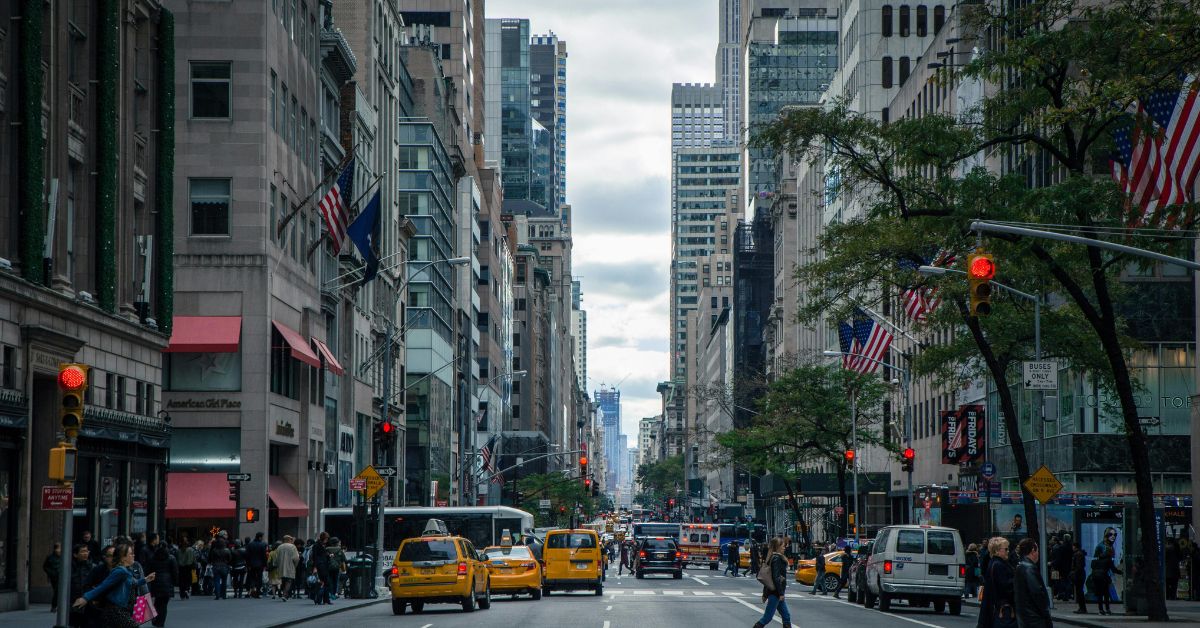
Have you seen pictures or videos of crowded urban areas?
● ☐ Yes
● ☐ No
Have you ever moved from a small town to a bigger one?
● ☐ Yes
● ☐ No
What are some things you often see in a city?
● ☐ Skyscrapers
● ☐ Farms
● ☐ Traffic lights
● ☐ Forests
Which of these is a common problem in big cities?
● ☐ Pollution
● ☐ Too many jobs
● ☐ Crowded streets
● ☐ Empty buses
Why do many people choose to move to big cities?
● ☐ To find better job opportunities
● ☐ To grow their own food
● ☐ To live close to nature
● ☐ To enjoy entertainment and shopping
Part A. READING on Urbanization
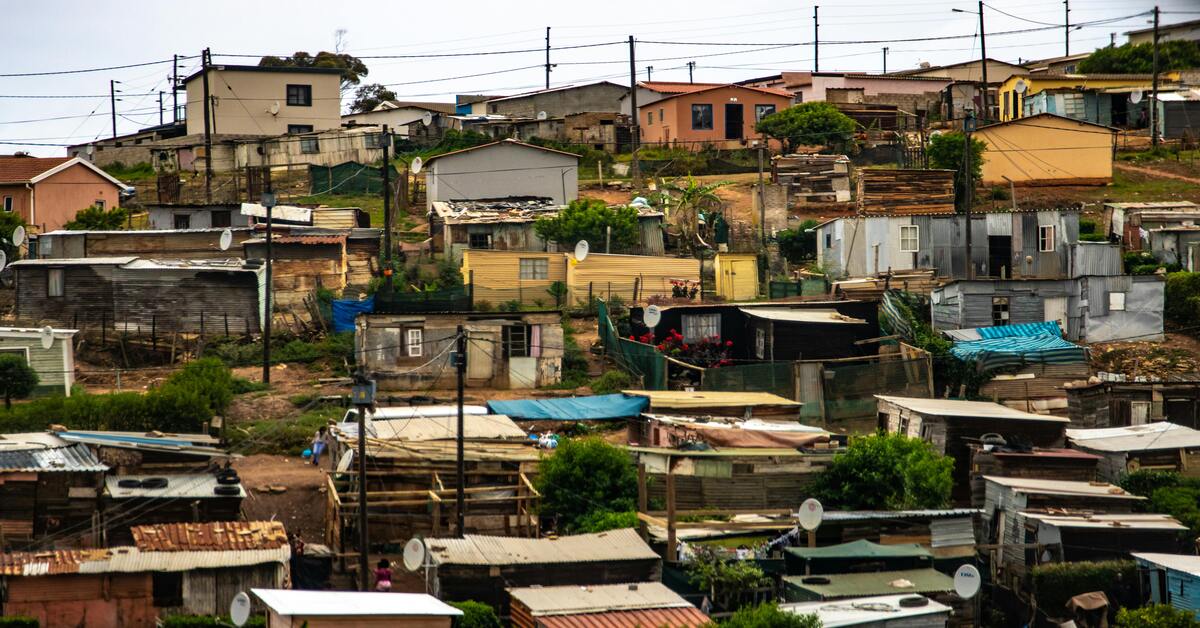
Passage: Rising Infrastructure Gaps in the Age of Urbanization
Across the world, the 21st century has witnessed a significant wave of urbanization, as people migrate to cities in search of jobs, education, and better living conditions. This shift has led to impressive development in many countries, with new roads, modern buildings, and improved transport systems. Yet, infrastructure gaps are becoming more visible beneath this surface of urbanization progress.
In many cases, urban planning is guided by private investors rather than the actual needs of residents. Projects are often built to serve business districts or wealthy neighborhoods, leaving suburban and low-income areas underfunded. This results in a growing divide between areas with strong services and those facing daily struggles with traffic congestion, poor sanitation, and lack of green space.
These differences are also linked to the uneven pace of industrialization. While some regions experience rapid economic growth, others are trapped in cycles of decline and overpopulation. People who migrate to urban centers in search of opportunity often settle in informal housing or slums, where living conditions are difficult and affordable housing is almost non-existent. In some cities, the demand for housing has grown faster than available land use planning can manage. This creates health risks, reduces mobility, and increases the risk of social conflict.
Efforts to revitalize older or neglected neighborhoods can also backfire. When areas go through upgrading or development, older residents may be pushed out due to rising prices. Even when revitalization brings new parks, cafés, or cleaner streets, it may reduce affordability and displace long-term residents. Instead of bringing people together, these changes can widen the gap between social groups.
However, there are cities that offer hope. In Medellín, Colombia, investment in public transport systems like cable cars has helped people living in remote, hilly districts access jobs in the city center. In Seoul, South Korea, a major highway was removed to create a public riverwalk, improving both the environment and community health. These examples show that smart planning can improve sustainability and community well-being.
Urbanization offers numerous advantages, but these are rarely experienced equally across all segments of the population. Complete equality in this context remains unlikely, as differences in living standards and service availability often reflect broader economic and spatial patterns within cities. These inequalities continue to shape the urban experience for many, highlighting the complexity of managing urban growth.
Xem thêm: Từ vựng IELTS Reading theo chủ đề thường gặp
Part B: Vocabulary Boosting
Migrate (verb) – di cư Urbanization is growing as more people migrate from rural areas to urban centers. (Quá trình đô thị hóa đang gia tăng khi ngày càng có nhiều người di cư từ khu vực nông thôn đến các trung tâm đô thị.) |  |
Shift (noun) – sự chuyển đổi There has been a major shift in population from the countryside to urban areas. (Đã có một sự chuyển dịch lớn về dân số từ vùng quê ra khu vực đô thị.) |  |
Infrastructure (noun) – cơ sở hạ tầng The city has invested a lot in transport infrastructure. (Thành phố đã đầu tư rất nhiều vào cơ sở hạ tầng giao thông. |  |
Urban planning (noun phrase) – quy hoạch đô thị Urban planning is important to ensure enough space for parks, schools, and hospitals. (Quy hoạch đô thị rất quan trọng để đảm bảo có đủ không gian cho công viên, trường học và bệnh viện.) |  |
Resident (noun) – cư dân New residents often struggle to adapt to city life. (Những cư dân mới thường gặp khó khăn trong việc thích nghi với cuộc sống thành thị.) |  |
Suburban (adjective) – thuộc ngoại ô Urban planners must now consider investing in suburban areas to manage future urbanization more effectively. (Các nhà quy hoạch đô thị hiện nay phải xem xét việc đầu tư vào vùng ngoại ô để quản lý quá trình đô thị hóa trong tương lai một cách hiệu quả hơn.) | 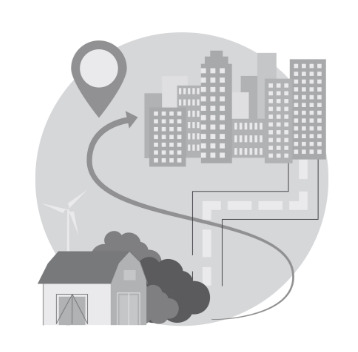 |
Income (noun) – thu nhập Urban jobs often provide better income, but the cost of living is also higher. (Công việc ở thành thị thường mang lại thu nhập tốt hơn, nhưng chi phí sinh hoạt cũng cao hơn.) |  |
Traffic congestion (noun) – tắc nghẽn giao thông Traffic congestion can lead to longer travel times and air pollution. (Tắc nghẽn giao thông có thể dẫn đến thời gian di chuyển lâu hơn và ô nhiễm không khí.) | 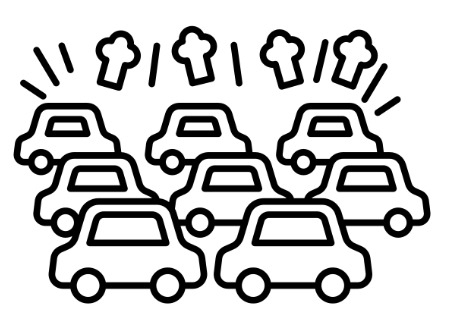 |
Green space (noun phrase) – không gian xanh Green space improves air quality in urban areas. (Không gian xanh giúp cải thiện chất lượng không khí ở khu vực đô thị.) |  |
Industrialization (noun) – công nghiệp hóa The 20th century saw rapid urbanization as a result of industrialization. (Thế kỷ 20 chứng kiến quá trình đô thị hóa diễn ra nhanh chóng do kết quả của công nghiệp hóa.) | 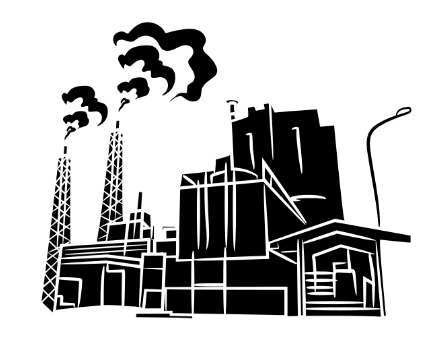 |
Overpopulation (noun) – sự bùng nổ dân số The city is facing problems due to overpopulation. (Thành phố đang đối mặt với những vấn đề do tình trạng quá tải dân số.) |  |
Settle (verb) – định cư Many young workers settle in urban areas to be close to business centers and job markets. (Nhiều lao động trẻ định cư ở đô thị để gần các trung tâm kinh doanh và thị trường việc làm.) |  |
Slum (noun) – khu ổ chuột Rapid urbanization has led to the growth of slums in some cities. (Quá trình đô thị hóa nhanh chóng đã dẫn đến sự phát triển của các khu ổ chuột ở một số thành phố.) |  |
Housing (noun) – nhà ở (Các khu đô thị đang gặp khó khăn với tình trạng thiếu nhà ở giá rẻ.) |  |
Land use (noun phrase) – việc sử dụng đất Land use must be carefully managed to prevent overcrowding in certain areas. (Việc sử dụng đất phải được quản lý một cách cẩn thận để tránh tình trạng quá tải dân số ở một số khu vực nhất định.) | 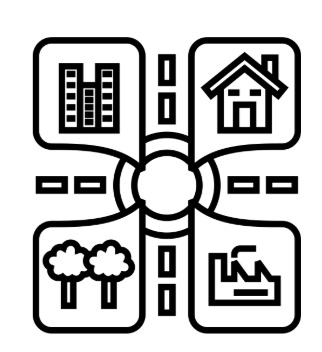 |
Revitalization (noun) – sự phục hồi The city launched a revitalization project to improve the downtown area. (Thành phố đã khởi động một dự án cải tạo để nâng cấp khu vực trung tâm.) |  |
Public transport (noun phrase) – giao thông công cộng Urbanization increases the demand for efficient public transport. (Đô thị hóa làm tăng nhu cầu về hệ thống giao thông công cộng hiệu quả.) | 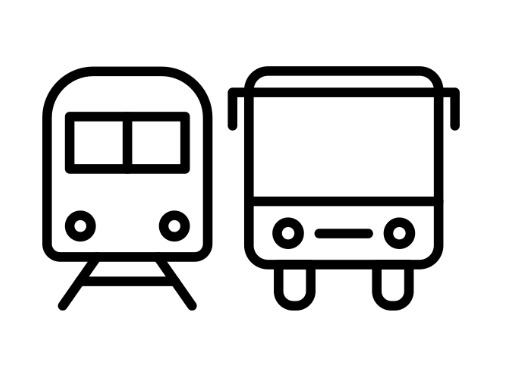 |
Remote (adjective) – xa xôi Urbanization can widen the gap between cities and remote communities. (Đô thị hóa có thể làm gia tăng khoảng cách giữa thành phố và các cộng đồng vùng sâu vùng xa.) |  |
Access (noun) – sự tiếp cận Access to public services is often limited in overcrowded urban areas. (Việc tiếp cận các dịch vụ công cộng thường bị hạn chế ở những khu vực đô thị quá đông dân.) |  |
Community (noun) – cộng đồng Many low-income urban communities suffer from limited access to healthcare services. |  |
Xem thêm: Cách học IELTS Reading hiệu quả dành cho người mới bắt đầu
Part C: Vocabulary Exercise
Bài tập 1. Nối từ vựng với định nghĩa phù hợp
Từ vựng | Định nghĩa |
1. Suburban | A. To relocate from one region or country to another to live or work |
2. Overpopulation | B. A natural area in a city, such as a park or garden, that provides environmental and social benefits |
3. Land use | C. Basic systems and services like transport, water, and energy that support a city or region |
4. Revitalization | D. Related to residential areas on the outskirts of a city |
5. Slum | E. A densely populated urban area with poor housing and living conditions |
6. Infrastructure | F. The way land is organized and managed for housing, farming, or industry |
7. Migrate | G. The process of making something grow, develop, or become successful again |
8. Green space | H. When too many people live in one area, it causes stress on resources and services |
Bài tập 2. Sắp xếp thứ tự các từ đã cho thành câu hoàn chỉnh
1. / has / city / rapid / experienced / population / growth / the /
2. / in / public / invested / transport / government / the / has /
3. / infrastructure / lack / of / planning / urban / poor / leads / to / a /
4. / be / Land use / regulated / effectively / must / urban / in / areas /
5. / is / commonly / problem / Overpopulation / a / urban / observed / in / centres /
6. / government / launched / new / a / project / recently / green space / to / increase / in / the / city centre /
7. / overpopulation / environmental / in / impacts / major / cities / has / including / pollution / and / waste /
8. / transport / communities / better / access / infrastructure / to / can / remote / benefit / significantly / public/
Bài tập 3. Đọc đoạn văn dưới đây về Urbanization và trả lời các câu hỏi
Urbanization has become a defining feature of modern society. Although the rate and form of urban development vary across regions, some observable patterns have emerged in recent decades.
In many developing nations, urbanization is strongly associated with rural-to-urban migration (1). As cities offer a wider array of employment options, people leave remote (6) villages and agricultural zones in search of better livelihoods (7). This leads to the rapid expansion of urban areas, especially in and around the city center. When the inner city becomes overcrowded or unaffordable, new settlements begin to form on the outskirts (2), giving rise to suburbs and informal settlements (8).
By contrast, in wealthier countries, the pattern tends to involve suburbanization (3) followed by a recent trend known as re-urbanization, where young professionals return to city centers for convenience, lifestyle, and better access to public transport. These contrasting patterns reveal how urban growth does not always follow a linear path.
Economic factors also play a significant role. The rise of industrialization (4) and later the shift to service-based economies have concentrated (5) job opportunities in urban hubs. Furthermore, technological improvements in communication and transport have enabled what some researchers describe as a hybrid lifestyle, where some professionals live further from city centers while maintaining access to urban benefits through digital connectivity.
Overall, the reasons behind urbanization are complex and interrelated, but the patterns that emerge reveal both regional differences and global similarities in how people move, live, and work in modern cities.
1. The word "migration" in “… urbanization is strongly associated with rural-to-urban migration” means...
a. The movement of people from one area to another
b. Going for vacation in another city
c. Traveling for business reasons
2. The word "outskirts" in “… new settlements begin to form on the outskirts…” means...
a. The center of the city
b. A park inside a city
c. The area just outside a city
3. The word "suburbanization" in “… the pattern tends to involve suburbanization...” means…
a. Building new roads in cities
b. People moving from cities to the suburbs
c. People moving from rural areas to cities
4. The word "industrialization" in “The rise of industrialization …” means...
a. The increase of urbanization
b. The improvement of agriculture
c. The growth of factories and manufacturing
5. The word “concentrated” in “… have concentrated job opportunities in urban hubs.” means…
a. Distributed widely
b. Focused in one place
c. Shared equally
6. The word “remote” is closest in meaning to…
a. Faraway
b. Central
c. Accessible
d. Modern
7. The word "livelihood" is closest in meaning to...
a. Travel
b. Safety
c. Job
d. Health
8. The word "informal settlements" is closest in meaning to...
a. Suburbs
b. Urbanization
c. Offices
d. Slums
Bài tập 4. Đọc lại đoạn văn trên về Urbanization và trả lời các câu hỏi sau
1. In the sentence “As cities offer a wider array of employment options, people leave remote villages and agricultural zones in search of better livelihoods,” what does “a wider array of employment options” most likely mean?
a. A greater variety of job opportunities in cities
b. More job choices in rural areas
c. Limited job choices in remote villages
d. The decline of job opportunities in agricultural zones
2. In the sentence “This leads to the rapid expansion of urban areas, especially in and around the city center,” what does “This” refer to?
a. The construction of suburbs
b. People migrating to cities for better jobs
c. The rise of informal settlements
d. Young professionals returning to urban centers
3. In the sentence “When the inner city becomes overcrowded or unaffordable, new settlements begin to form on the outskirts…”, what does “the inner city” most likely mean?
a. Suburban areas
b. Informal settlements
c. A city in the countryside
d. The central area of a city
4. In the sentence “Furthermore, technological improvements in communication and transport have enabled what some researchers describe as a hybrid lifestyle…”, what does “what some researchers describe as a hybrid lifestyle” refer to?
a. Moving from the agricultural zones to cities
b. Living far away but still have access to city benefits
c. The rise of urbanization waves
d. Living in informal settlements
5. What trend is described as "re-urbanization" in wealthier countries?
a. People moving to rural areas permanently
b. The return of younger workers to urban centers
c. The decline of urbanization
d. The rise of service-based jobs in the suburbs
6. Why do some young professionals in developed countries return to city centers?
a. To escape suburban traffic congestion
b. Because housing is cheaper downtown
c. To access public transportation and a better lifestyle
d. Due to poor internet in the suburbs
7. What effect has the service-based economy had on urbanization?
a. It caused city centers to become isolated
b. It made cities less attractive to workers
c. It concentrated jobs in urban areas
d. It increased migration to farming towns
8. What does the passage suggest about patterns of urbanization?
a. They always follow the same path worldwide
b. They depend only on economic trends
c. They are unpredictable and random
d. They differ by region but show some global similarities
Part D. Key and Explanation
Bài tập 1
1. Suburban – D. Related to residential areas on the outskirts of a city
2. Overpopulation – H. When too many people live in one area, it causes stress on resources and services
3. Land use – F. The way land is organized and managed for housing, farming, or industry
4. Revitalization – G. The process of making something grow, develop, or become successful again
5. Slum – E. A densely populated urban area with poor housing and living conditions
6. Infrastructure – C. Basic systems and services like transport, water, and energy that support a city or region
7. Migrate – A. To relocate from one region or country to another to live or work
8. Green space – B. A natural area in a city, such as a park or garden, that provides environmental and social benefits
Bài tập 2
1. The city has experienced rapid population growth.
2. The government has invested in public transport.
3. Poor urban planning leads to a lack of infrastructure.
4. Land use must be effectively regulated in urban areas.
5. Overpopulation is a problem commonly observed in urban centres.
6. The government recently launched a new project to increase green space in the city centre.
7. Overpopulation has major environmental impacts in cities, including pollution and waste.
8. Remote communities can benefit significantly from better access to public transport infrastructure.
Bài tập 3
(1) – a. The movement of people from one area to another
Từ "migration" nằm trong cụm "rural-to-urban migration", dịch nghĩa là di cư từ nông thôn đến thành thị.
Trong mục từ vựng Part B, có thể thấy "Migration" thường dùng để chỉ việc chuyển nơi sinh sống, đặc biệt là để tìm kiếm công việc hoặc điều kiện sống tốt hơn.
“Going for vacation in another city” (đi du lịch ở một thành phố khác) hay “Traveling for business reasons” (đi công tác) không phù hợp vì không nói đến thay đổi nơi ở hay tìm kiếm các điều kiện tốt hơn.
Đáp án đúng là a. The movement of people from one area to another (Sự di chuyển của con người từ vùng này sang vùng khác)
(2) – c. The area just outside a city
Dịch nghĩa: “Outskirts” trong câu nghĩa là vùng rìa, ngoại ô, nằm ngoài trung tâm thành phố. Có thể tham chiếu thêm với câu 1 bài tập 1.
“A park inside a city” (một công viên trong thành phố) và “the center of the city” (trung tâm thành phố) không phù hợp về nghĩa.
Đáp án đúng là c. The area just outside a city (Khu vực ngay bên ngoài thành phố)
(3) – b. People moving from cities to the suburbs
Dịch nghĩa: “Suburbanization” là quá trình chuyển từ trung tâm thành phố ra vùng ngoại ô. Đoạn văn mô tả mô hình này ở các nước phát triển, trái ngược với "urbanization" Harris [1].
“People moving from rural areas to cities” (con người di chuyển từ vùng nông thôn đến thành phố) là quá trình đô thị hóa – urbanization (tham chiếu bảng từ vựng Part B).
“Building new roads in cities” (xây dựng các con đường mới ở các thành phố) không phù hợp về nghĩa.
Đáp án đúng là b. People moving from cities to the suburbs (Con người di chuyển từ các thành phố ra các khu ngoại ô)
(4) – c. The growth of factories and manufacturing
Dịch nghĩa “Industrialization” = công nghiệp hóa, phát triển nhà máy và sản xuất hàng loạt (tham chiếu bảng từ vựng Part B)
“The increase of urbanization” (sự gia tăng đô thị hóa) hay “The improvement of agriculture” (sự cải thiện ngành nông nghiệp) không phù hợp về nghĩa.
Đáp án đúng là c. The growth of factories and manufacturing (sự phát triển của nhà mày và sản xuất)
(5) – b. Focused in one place
Dịch nghĩa: “concentrated” = dồn vào một nơi -> “job opportunities have concentrated in urban hubs” = cơ hội việc làm tập trung ở đô thị
“Distributed widely” (phân bổ rộng rãi) và “shared equally” (chia đều) đều trái nghĩa với “concentrated”
Đáp án đúng là b. Focused in one place (tập trung ở một nơi)
(6) – a. Faraway
Dịch nghĩa: “Remote” thường dùng để nói về khu vực xa, khó tiếp cận. Từ “remote” trong “remote villages” chỉ những ngôi làng trung tâm.
“Central” (trung tâm) trái nghĩa với “remote” trong trường hợp này.
“Modern” (hiện đại) và “accessible” (có thể tiếp cận) không phù hợp về nghĩa.
Đáp án đúng là a. Faraway (xa xăm)
(7) – c. Job
Dịch nghĩa: “livelihood” là sinh kế, phương tiện để kiếm sống (thường là công việc) -> “… in search of better livelihoods” = tìm việc làm/kế sinh nhai tốt hơn.
“Travel” (du lịch), “health” (sức khỏe), “safety” (sự an toàn) không phù hợp về nghĩa.
Đáp án đúng là c. Job (công việc)
(8) – d. Slums
Dịch nghĩa: “Informal settlements” là khu định cư tạm/ không chính thức, thường nghèo, thiếu tiện nghi. Từ này là một cách nói khác của “slums” (tham chiếu bảng từ vựng Part B).
“Suburbs” (ngoại ô), “urbanization” (đô thị hóa) và “offices” (văn phòng) không phù hợp về nghĩa.
Đáp án đúng là d. Slums (khu ổ chuột)
Bài tập 4
(1) – a. A greater variety of job opportunities in cities
Dịch câu: Vì các thành phố cung cấp nhiều lựa chọn việc làm hơn, mọi người rời khỏi các ngôi làng xa xôi và vùng nông nghiệp để tìm kiếm kế sinh nhai tốt hơn…
Cụm “a wider array of employment options” nói đến sự phong phú hơn trong lựa chọn nghề nghiệp, cụ thể là ở thành thị.
Trong ngữ cảnh, thành phố là nơi có nhiều ngành nghề và cơ hội việc làm đa dạng hơn so với làng quê. Người dân di chuyển từ vùng nông thôn lên thành phố vì muốn tìm công việc tốt hơn vì ở thành phố có nhiều loại hình công việc khác nhau.
Các đáp án còn lại, bao gồm: “More job choices in rural areas” (nhiều lựa chọn công việc hơn ở các vùng nông thôn); “Limited job choices in remote villages” (hạn chế lựa chọn công việc ở các ngôi làng xa xôi); “The decline of job opportunities in agricultural zones” (sự suy giảm cơ hội việc làm ở các vùng nông nghiệp) - đều không phù hợp về nghĩa và không trùng khớp với ngữ cảnh của câu.
Đáp án đúng là a. A greater variety of job opportunities in cities (Cơ hội việc làm đa dạng hơn ở thành thị)
(2) – b. People migrating to cities for better jobs
Dịch câu: Hành động này dẫn đến việc mở rộng đô thị nhanh chóng, đặc biệt ở khu vựng xung quanh trung tâm thành phố …
Từ “This” là một đại từ dùng để thay thế cho cả ý ở câu trước.
Câu trước đó nói rằng: “people leave remote villages and agricultural zones in search of better livelihoods”, tức là người dân rời khỏi các ngôi làng xa xôi và vùng nông nghiệp để tìm kiếm kế sinh nhai tốt hơn.
Xét theo ngữ cảnh cả bài, cụ thể hơn là di cư đến các thành phố để tìm công việc tốt hơn.
Đáp án đúng là b. People migrating to cities for better jobs (Con người di cư đến các thành phố vì công việc tốt hơn)
(3) – d. The central area of a city
Cụm từ “inner city” dùng để nói đến khu vực nội thành, nơi thường có mật độ dân cư cao, chi phí sinh hoạt đắt đỏ.
Dịch câu: Khi “the inner city” trở nên quá đông đúc hoặc quá đắt đỏ, các khu định cư mới bắt đầu hình thành ở vùng ngoại ô… -> có thể thấy, the inner city sẽ mang ý nghĩa trái ngược với vùng ngoại ô (outskirts)
Các đáp án còn lại, bao gồm: Suburban areas (khu vực ngoại ô), Informal settlements (khu định cư không chính thức); A city in the countryside (một thành phố ở vùng quê) – đều không phù hợp về nghĩa
Đáp án đúng là d. The central area of a city (khu vực trung tâm thành phố)
(4) – b. Living far away but still have access to city benefits
Xét phần sau của câu đã có làm rõ ý cho cụm trong câu hỏi: “… some professionals live further from city centers while maintaining access to urban benefits through digital connectivity.” ( … một số chuyên gia sống xa trung tâm thành phố nhưng vẫn có thể tiếp cận các tiện ích đô thị thông qua kết nối kỹ thuật số.)
Danh từ “hybrid” là sự lai ghép, kết hợp giữa hai yếu tố khác xa nhau. Cụm “hybrid lifestyle” chỉ điều kiện làm việc kết hợp giữa đến văn phòng trực tiếp và làm việc từ xa, một xu hướng mới ở thế kỉ 21 Casselman et al. [2].
Đáp án đúng là b. Living far away but still have access to city benefits (sống xa nhưng vẫn tiếp cận được các lợi ích của thành thị)
(5) – b. The return of younger workers to urban centers
Xét phần sau của câu đã có làm rõ ý cho cụm trong câu hỏi: “… young professionals return to city centers ....” ( … lao động trẻ quay trở lại trung tâm thành phố....)
Tiền tố “re-“ thường mang ý nghĩa: again, back (tái lại, lặp lại, mang trở lại) -> re-urbanization chỉ sự tái đô thị hóa, quay lại đô thị sau khi đã rời đi một thời gian
Đáp án đúng là b. The return of younger workers to urban centers (việc các lao động trẻ quay trở lại vùng thành thị)
(6) – c. To access public transportation and a better lifestyle
Trong bài có đề cập “… young professionals return to city centers for convenience, lifestyle, and better access to public transport.” (… các lao động trẻ quay trở lại trung tâm thành phố vì sự tiện lợi, lối sống và khả năng tiếp cận phương tiện giao thông công cộng tốt hơn.”)
Các câu còn lại, bao gồm: “To escape suburban traffic congestion” (Để tránh tình trạng tắc nghẽn giao thông ở ngoại ô); “Because housing is cheaper downtown” (Vì nhà ở trung tâm thành phố rẻ hơn); “Due to poor internet in the suburbs” (Vì Internet ở vùng ngoại ô kém) – đều không được nhắc đến trong bài
Đáp án đúng là c. To access public transportation and a better lifestyle ( Để tiếp cận phương tiện giao thông công cộng và lối sống tốt hơn)
(7) – c. It concentrated jobs in urban areas
Trong bài có đề cập “The rise of industrialization and later the shift to service-based economies have concentrated job opportunities in urban hubs.” (Sự phát triển của công nghiệp hóa và sau đó là sự chuyển dịch sang nền kinh tế dựa trên dịch vụ đã tập trung các cơ hội việc làm tại các trung tâm đô thị.)
Khi nền kinh tế chuyển từ công nghiệp sang dịch vụ, các cơ hội việc làm tập trung về thành phố, vì đây là nơi có nhiều công ty, văn phòng, dịch vụ chuyên môn… Do đó, ngày càng nhiều người lên đô thị tìm việc, thúc đẩy đô thị hóa.
Các câu còn lại, bao gồm: “It caused city centers to become isolated” (Nó làm các trung tâm thành phố bị cô lập); “It made cities less attractive to workers” (Nó làm các thành phố trở nên kém hấp dẫn hơn với người lao động); “It increased migration to farming towns” (Nó gia tăng sự di cư đến các thị trấn nông nghiệp) – đều không được nhắc đến trong bài
Đáp án đúng là c. It concentrated jobs in urban areas ( Nó tập trung việc làm ở các khu vực thành thị)
(8) – d. They differ by region but show some global similarities
Đoạn kết của bài có đề cập rằng mỗi khu vực có một mô hình đô thị hóa riêng, nhưng vẫn có những điểm chung toàn cầu (“… the patterns that emerge reveal both regional differences and global similarities in how people move, live, and work in modern cities.”)
Các câu còn lại, bao gồm: “They always follow the same path worldwide” (chúng luôn đi theo cùng một hướng trên toàn thế giới) và “They are unpredictable and random” (chúng không thể đoán trước và ngẫu nhiên) – trái ngược với thông tin trong bài. Đáp án “They depend only on economic trends” (chúng chỉ phụ thuộc vào các xu hướng kinh tế) là chưa đầy đủ so với thông tin trong bài, bỏ qua các yếu tố khác.
Đáp án đúng là d. They differ by region but show some global similarities (Chúng khác nhau theo khu vực nhưng thể hiện một số điểm tương đồng trên toàn cầu)
Trang bị vốn từ vựng luôn là bước đệm quan trọng giúp người học chinh phục kỹ năng Reading trong IELTS. Việc thành thạo từ vựng về chủ để Urbanization - Đô thị hóa mang lại lợi thế không nhỏ, đặc biệt là khi đối diện với những đoạn văn liên quan đến các vấn đề xã hội hiện đại như mở rộng thành phố, chênh lệch giàu nghèo hay khủng hoảng nhà ở, v.v. Làm quen với những thuật ngữ này không chỉ giúp cải thiện khả năng đọc hiểu mà còn giúp người học nắm được cấu trúc bài viết dễ dàng hơn và trả lời câu hỏi chính xác hơn với các bài đọc về Urbanization.
Để nâng cao năng lực và giúp thí sinh chuẩn bị kỹ càng cho kỳ thi IELTS, ZIM mang đến môi trường học tập phù hợp với lộ trình cá nhân hóa, giúp bạn nắm chắc kiến thức và tự tin bước vào phòng thi. Ngoài ra, người học có thể cân nhắc tham khảo kho tàng sách từ vựng, ngữ pháp, v.v đa dạng chủ đề tại ZIM nhằm hỗ trợ thêm trong quá trình ôn luyện.
- Học từ vựng IELTS Reading theo Conceptual Learning
- Học từ vựng IELTS Reading theo Conceptual Learning: Các khám phá và phát hiện khảo cổ
- Học từ vựng IELTS Reading theo Conceptual Learning: Giá trị Lịch Sử và Văn Hóa từ khảo cổ
- Học từ vựng IELTS Reading theo Conceptual Learning: Công nghệ trong khảo cổ
- Từ vựng IELTS Reading General Training Section 1 - Chủ đề: Sử dụng nước
- Từ vựng IELTS Reading General Training Section 1 - Chủ đề: Tái chế rác thải
- Từ vựng IELTS Reading General Training Section 1 - Chủ đề: Phương tiện công cộng
- Từ vựng IELTS Reading General Training Section 1 - Chủ đề: Công viên địa phương
- Từ vựng IELTS Reading General Training Section 1 - Chủ đề: Các khoá học cho người lớn
- Từ vựng IELTS Reading General Training Section 1 - Chủ đề: Dịch vụ thư viện
- Từ vựng IELTS Reading General Training Section 1 - Chủ đề: Hoạt động tình nguyện
Tham vấn chuyên môn
Là một người từng nhiều lần chật vật trên hành trình học tập, cô thấu hiểu rằng thành công không đến từ tài năng bẩm sinh, mà từ sự kiên trì và kỷ luật mỗi ngày. Cô tin rằng ai cũng mang trong mình một tiềm năng riêng, chỉ cần được khơi gợi đúng cách sẽ có thể tỏa sáng theo cách của chính mình.
Phương châm giảng dạy của cô là lấy cảm hứng làm điểm khởi đầu, và sự thấu hiểu làm kim chỉ nam. Cô không dạy để học sinh ghi nhớ, mà để các em đặt câu hỏi, khám phá và tự nhìn thấy giá trị của việc học. Mỗi giờ học là một không gian mở – nơi các em được thử, được sai, và được trưởng thành.
Nguồn tham khảo
1
“Who Still Works From Home?.” The New York Times, https://www.nytimes.com/interactive/2024/03/08/business/economy/remote-work-home.html. Accessed 19 April 2025.
2
“Suburbanization and Suburbanism.” International Encyclopedia of the Social & Behavioral Sciences, https://doi.org/10.1016/b978-0-08-097086-8.74044-x. Accessed 18 April 2025.
Bình luận - Hỏi đáp