IELTS Reading | Concepts and Vocabulary Unit 7: Technological Innovation
Unit 7: Đổi mới Công nghệ khám phá sự phát triển của công nghệ thông minh, từ ngôi nhà thông minh đến trí tuệ nhân tạo (AI) với Grok 3. Người học sẽ tìm hiểu về tự động hóa, tích hợp và an ninh mạng. Đơn vị này cung cấp từ vựng quan trọng để hiểu các đoạn văn IELTS Reading về đổi mới công nghệ, nhấn mạnh tầm quan trọng của nghiên cứu và ứng dụng công nghệ trong cuộc sống hiện đại.
Unit 7 nói về chủ đề đột phát công nghệ, là một chủ đề thường xuyên xuất hiện trong bài thi IELTS.
Hai concepts chủ yếu của Unit này bao gồm AI - trí thông minh nhân tạo và nhà thông minh, sẽ được trình bày qua hai bài đọc.
Từ vựng quan trọng được giới thiệu bao gồm: innovation, automation, digital, hardware, invention, integration, efficiency, algorithm, virtual assistant, analyze, predict.
Đổi mới Công nghệ là quá trình tạo ra các công nghệ mới hoặc cải thiện các công nghệ hiện có để giải quyết vấn đề hoặc đáp ứng nhu cầu. Nó tập trung vào nghiên cứu, phát triển và ứng dụng thực tế của công nghệ, bao gồm tự động hóa và trí tuệ nhân tạo. Unit 7 này sẽ giới thiệu cho bạn các từ vựng chính liên quan đến Đổi mới Công nghệ, điều này rất quan trọng để hiểu các đoạn văn IELTS Reading về chủ đề này. Hãy cùng khám phá cách công nghệ thay đổi cuộc sống hàng ngày!
Nền tảng khoa học
Bài viết này được xây dựng nhằm mục đích cung cấp thông tin nền (background knowledge) giúp cho học viên ứng dụng top-down processing (là quá trình hiểu nội dung bài đọc dựa vào kiến thức nền) và cung cấp từ vựng quan trọng cho bottom-up processing (là quá trình hiểu nội dung bài đọc từ việc hiểu từng từ vựng và câu) [1]. Từ vựng được giới thiệu theo chủ đề, sẽ giúp cho khả năng học và tiếp thu từ vựng của học viên được tốt hơn [2], dựa trên lý thuyết của Nation về việc học từ vựng mới [3].
Technological Innovation is the process of creating new technologies or improving existing ones to solve problems or meet needs. It focuses on research, development, and the practical application of technology. This involves creativity, problem-solving, and often has a significant impact on society. This unit will introduce you to key vocabulary related to Technological Innovation, which is essential for understanding IELTS Reading passages on this topic.
Đổi mới Công nghệ là quá trình tạo ra các công nghệ mới hoặc cải thiện các công nghệ hiện có để giải quyết vấn đề hoặc đáp ứng nhu cầu. Nó tập trung vào nghiên cứu, phát triển và ứng dụng thực tế của công nghệ. Điều này bao gồm sự sáng tạo, giải quyết vấn đề và thường có tác động đáng kể đến xã hội. Đơn vị này sẽ giới thiệu cho bạn các từ vựng chính liên quan đến Đổi mới Công nghệ, điều này rất quan trọng để hiểu các đoạn văn IELTS Reading về chủ đề này.
Before You Read
Connect with the topic. Check (✓) your answers to these questions about Artificial Intelligence (AI):
Artificial Intelligence
Have you ever used AI in your daily life, like talking to Siri or using Google Maps?
Yes
No
Do you think AI can make life easier for people?
Yes
No
What do you think AI can do in the future?
Drive cars
Cook meals
Teach in schools
All of the above
Which of these devices might use AI to help you?
A smart speaker
A calculator
A pencil
A chair
What is one thing you would like AI to help you with?
Doing homework
Cleaning the house
Playing games
All of these
Part A. Reading
The Rise of Artificial Intelligence (AI)
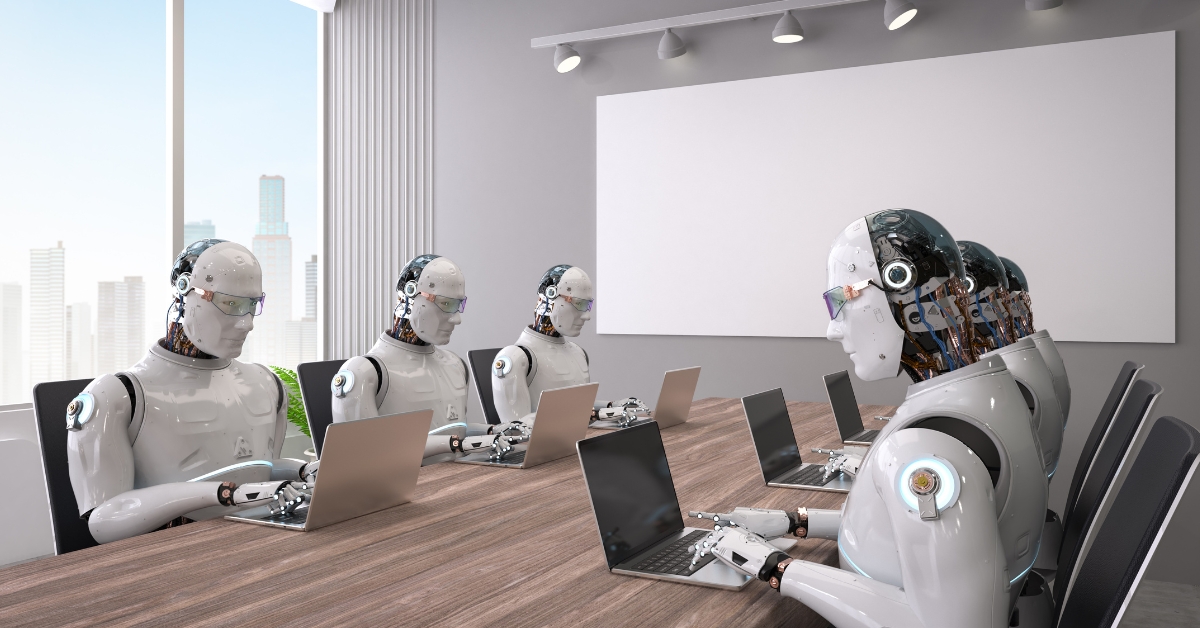
Artificial Intelligence, or AI, is one of the most important new technologies in the modern world. It allows machines to think and learn like humans. Over the past few decades, research and development in AI have grown quickly. Scientists and engineers have pushed past what machines could do before, leading to major advancements. Today, AI is part of everyday life, from smartphones to self-driving cars. We use AI when we ask our phones for directions or when we shop online and see product suggestions. These are just a few examples of how AI has become a common tool in our daily routines. In fact, even simple tasks like setting alarms or notes or streaming music often rely on AI working quietly in the background.
AI works through complex algorithms, which are sets of rules that help machines process large amounts of data. These algorithms allow AI to make decisions, recognize patterns, and even predict results. For instance, AI can look at thousands of photos and learn to recognize faces or objects. This ability comes from training the AI with examples, much like how a child learns by looking at pictures. The technology needs both software, which gives instructions, and hardware, like powerful computers, to work well. A key feature of AI is automation, which means machines can do tasks without human help. For example, AI can sort emails, operate machines, or assist doctors in figuring out what’s wrong with patients.
AI has many practical applications that are changing the world. In transportation, cars that drive themselves use AI to travel safely on roads with the help of a network of sensors and cameras. At home, virtual assistants like Siri or Alexa respond to voice commands and are built intodigital systems to make life easier. Businesses also use AI to improve efficiency, such as by analyzing customer behavior to manage stock better. In healthcare, AI can analyze medical images to help doctors find problems faster. For instance, it might spot tiny changes in an X-ray that a human eye could miss. These examples show how AI saves time and resources while increasing accuracy.
Looking ahead, AI has great potential for further advancement. It could lead to new inventions, like better tools for doctors to find diseases early or personalized learning platforms in education. This means that students can learn at their own pace with lessons tailored to their needs. Imagine a student struggling with math getting extra practice problems automatically designed by AI to help them improve. However, there are challenges too, especially in cybersecurity. As AI handles more sensitive data, it is important to use AI safely and fairly to protect information from hackers. Ensuring AI is used in the right way will be key as the technology continues to grow.
innovation (noun) - sự đổi mới AI is one of the most important innovations today. (AI là một trong những sự đổi mới quan trọng nhất hiện nay.)
unit 7 vocabulary
development (noun) - sự phát triển The development of AI has changed many industries. (Sự phát triển của AI đã thay đổi nhiều ngành công nghiệp.)
unit 7 vocabulary
automation (noun) - tự động hóa Automation helps machines do tasks without people. (Tự động hóa giúp máy móc làm việc mà không cần con người.)
unit 7 vocabulary
digital (adjective) - kỹ thuật số Digital technology makes life faster and easier. (Công nghệ kỹ thuật số làm cho cuộc sống nhanh hơn và dễ hơn.)
unit 7 vocabulary
software (noun) - phần mềm AI software can learn from data. (Phần mềm AI có thể học từ dữ liệu.)
unit 7 vocabulary
hardware (noun) - phần cứng Good hardware is needed to run AI programs. (Phần cứng tốt là cần thiết để chạy các chương trình AI.)
unit 7 vocabulary
research (noun) - nghiên cứu Scientists do research to improve AI technology. (Các nhà khoa học nghiên cứu để cải thiện công nghệ AI.)
default caption
invention (noun) - phát minh The invention of AI has surprised many people. (Phát minh của AI đã làm ngạc nhiên nhiều người.)
default caption
integration (noun) - sự tích hợp Integration of AI into cars makes them smarter. (Sự tích hợp AI vào ô tô làm cho chúng thông minh hơn.)
unit 7 vocabulary
advancement (noun) - sự tiến bộ Advancements in AI help us solve big problems. (Sự tiến bộ trong AI giúp chúng ta giải quyết các vấn đề lớn.)
unit 7 vocabulary
efficiency (noun) - hiệu suất AI improves efficiency in many workplaces. (AI cải thiện hiệu suất ở nhiều nơi làm việc.)
unit 7 vocabulary
algorithm (noun) - thuật toán An algorithm helps AI make decisions quickly. (Thuật toán giúp AI đưa ra quyết định nhanh chóng.)
unit 7 vocabulary
network (noun) - mạng AI uses a network to share information. (AI sử dụng mạng để chia sẻ thông tin.)
default caption
data (noun) - dữ liệu AI needs a lot of data to work well. (AI cần nhiều dữ liệu để hoạt động tốt.)
default caption
application (noun) - ứng dụng AI applications are used in phones and computers. (Các ứng dụng AI được sử dụng trong điện thoại và máy tính.)
default caption
cybersecurity (noun) - an ninh mạng Cybersecurity protects AI systems from attacks. (An ninh mạng bảo vệ hệ thống AI khỏi các cuộc tấn công.)
default caption
self-driving (adjective) - tự lái Self-driving cars use AI to move safely. (Ô tô tự lái sử dụng AI để di chuyển an toàn.)
default caption
virtual assistant (noun) - trợ lý ảo A virtual assistant like Siri helps with tasks. (Trợ lý ảo như Siri giúp thực hiện các nhiệm vụ.)
Default caption
analyze (verb) - phân tích AI can analyze data to find patterns. (AI có thể phân tích dữ liệu để tìm ra các mẫu.)
default caption
predict (verb) - dự đoán AI predicts the weather using data. (AI dự đoán thời tiết bằng cách sử dụng dữ liệu.)
unit 7 vocabulary
Part C: Vocabulary Exercise
Words
Definitions
innovation
automation
software
hardware
algorithm
data
development
digital
research
integration
A. The physical parts of a computer or machine. B. A set of rules that helps a computer solve a problem. C. Information used by computers to make decisions. D. A new idea or method that improves something. E. Programs that tell a computer what to do. F. The use of machines to do tasks without human help. G. The process of creating or improving something over time. H. Related to technology that uses electronic signals or data. I. The act of studying something carefully to learn more about it. J. The process of combining different parts into a whole.
Exercise 2: Read the paragraph below and choose the best word from the four options provided to fill in each gap. The paragraph is about artificial intelligence (AI) and its impact on our lives.
Artificial Intelligence (AI) is changing the world in many ways. One of its greatest benefits is improving (1) __________ by allowing machines to complete tasks faster and with fewer mistakes. For example, in factories, AI can (2) __________ data from machines to find problems before they cause delays. This is just one (3) __________ of AI in industry, but there are many others.
In transportation, (4) __________ cars use AI to navigate roads safely without a human driver. These vehicles rely on a (5) __________ of sensors and cameras to make decisions. At home, a (6) __________ like Alexa can help with daily tasks, such as setting reminders or playing music, using voice commands.
The (7) __________ of AI has also led to new jobs and industries. For instance, experts in (8) __________ work to protect AI systems from hackers. Additionally, AI can (9) __________ future events, such as weather patterns or stock market trends, by analyzing large amounts of data.
Overall, the (10) __________ of AI technology continues to surprise us, making life easier and more efficient.
a) efficiency b) speed c) power d) cost
a) predict b) analyze c) create d) store
a) application b) example c) invention d) problem
a) fast b) electric c) self-driving d) expensive
a) group b) network c) system d) collection
a) robot b) virtual assistant c) computer d) machine
a) development b) advancement c) growth d) creation
a) programming b) cybersecurity c) engineering d) design
a) predict b) control c) change d) stop
a) invention b) discovery c) advancement d) innovation
Exercise 3: Đọc đoạn văn dưới đây về nhà thông minh và đoán nghĩa của các từ trong ngoặc đơn.
A Glimpse into the Future of Smart Homes
Smart homes represent a groundbreaking innovation in how we live, blending automation with everyday tasks to create a more convenient lifestyle. Picture a house where the hardware—think smart speakers, cameras, and appliances—works hand-in-hand with software to respond to your needs. These systems thrive on compatibility, ensuring that devices from different brands can connect and operate as a unified whole. Whether linked through a wired setup with cables or a wireless network using Wi-Fi, this integration transforms a regular house into a functional hub of technology.
Every day, these homes collect data to analyze patterns, like when you typically arrive home or how much energy you use. An algorithm then processes this information to predict your preferences, such as dimming the lights at night or preheating the oven for dinner. This efficiency saves time and energy, but it’s not flawless. Occasionally, you might need to override the system—say, turning off the thermostat manually if it misjudges the weather. The whole setup is dependent on a reliable internet connection; without it, some features might falter.
The development of smart homes continues to accelerate, driven by research into new inventions and advancements. For instance, virtual assistants like Alexa or Google Home tie everything together, letting you control devices with a simple command. However, as these homes become more connected, cybersecurity becomes critical. Protecting the network and the data it holds is a top priority, often achieved through secure software updates and encryption.
In the future, smart homes could evolve even further, incorporating self-driving delivery systems or advanced applications that anticipate our needs before we do. This blend of technology and daily life showcases how digital solutions are reshaping our world, one home at a time.
Exercise 3A: Read the passage about Smart Home Technology. For each underlined word, choose the option that best matches its meaning based on how it is used in the text.
Compatibility in smart homes means: a) The ability to work together b) The speed of internet connection c) The cost of smart devices d) The design of a smart home
Functional in this context refers to: a) Broken or not working b) Operating correctly c) Very expensive d) Connected to the internet
Override means: a) To control manually b) To install a new device c) To save energy d) To collect data
Wireless in smart homes is: a) Connected by cables b) Powered by batteries c) Operating without physical connections d) Controlled by a remote
Dependent in this context means: a) Relying on something else b) Being very advanced c) Working independently d) Saving money
Exercise 3B: Read the passage about Smart Home Technology and answer the following questions in complete sentences.
What is one benefit of smart homes mentioned in the passage?
How do smart homes use data?
Give an example of a smart home device mentioned in the passage.
Why is cybersecurity important for smart homes?
What is one possible future development for smart homes mentioned in the passage?
Exercise 4: Answer questions based on the Reading Passage in Part A.
What is a synonym for "advancements" as used in the passage? A) Discoveries B) Improvements C) Inventions D) Challenges
What is a synonym for "automation" in the context of the passage? A) Control B) Operation C) Mechanization D) Supervision
In the sentence "Their ability to process data is unmatched," what does "their" refer to? A) Researchers B) AI systems C) Computers D) Humans
In the phrase "such innovations have transformed industries," what does "such innovations" refer to? A) New business models B) AI technologies C) Traditional methods D) Global trends
Why is data important for AI systems? A) To power their hardware B) To train their algorithms C) To reduce costs D) To increase internet speed
What can AI applications in healthcare achieve? A) Replace doctors entirely B) Assist in diagnosing diseases C) Manage hospital finances D) Develop new medicines
How do AI systems learn from data? A) Through manual programming B) By using algorithms C) With human supervision only D) By connecting to the internet
Which statement below is TRUE according to the passage? A) AI can only be used in technology industries. B) AI systems require no human intervention. C) AI has applications in various fields like healthcare and transportation. D) AI development has slowed down in recent years.
1. Compatibility in smart homes means: Đáp án: a) The ability to work together Trích dẫn: “These systems thrive on compatibility, ensuring that devices from different brands can connect and operate as a unified whole.” Dựa theo bài đọc, có thể thấy “Compatibility” là thứ đem lại khả năng các thiết bị hoạt động cùng nhau, bất kể đến từ thương hiệu khác nhau. Vậy có thể đoán là sự tương thích. Chọn a) The ability to work together
2. Functional in this context refers to: Đáp án: b) Operating correctly Trích dẫn: “...this integration transforms a regular house into a functional hub of technology.” “Functional” dùng để mô tả một ngôi nhà có thể vận hành đúng chức năng như một trung tâm công nghệ. Ở dạng danh từ của mình, function có nghĩa là chức năng, nên cũng có thể đoán functional là vận hành đúng chức năng.
3. Override means: Đáp án: a) To control manually Trích dẫn: “Occasionally, you might need to override the system—say, turning off the thermostat manually if it misjudges the weather.” Trong bài, override nói về hành động nào đó ta thực hiện lên hệ thống, ví dụ như tắt bộ điều chỉnh nhiệt ‘thermostat’ bằng tay, thủ công, khi nó phán đoán sai về thời tiết. Vậy khi có sai số xảy ra, điều ta thường làm thủ công bằng tay đó là điều chỉnh lại máy móc. Có thể suy đoán, “Override” là can thiệp điều khiển bằng tay khi hệ thống hoạt động sai hoặc không như ý.
4. Wireless in smart homes is: Đáp án: c) Operating without physical connections Trích dẫn: “Whether linked through a wired setup with cables or a wireless network using Wi-Fi…” Phía trước, thông tin nói về hệ thống wired hoặc hệ thống “Wireless”, trong đó wired setup thì sử dụng cables còn wireless network thì sử dụng Wi-Fi. Có thể đoán, wired là có dây và wireless có nghĩa là không cần dây kết nối vật lý, thường hoạt động thông qua mạng không dây như Wi-Fi.
5. Dependent in this context means: Đáp án: a) Relying on something else Trích dẫn: “The whole setup is dependent on a reliable internet connection...” Vì kết nối thông qua Wi-Fi nên hệ thống này được miêu tả có quan hệ như thế nào đó và một kết nối ổn định. Do đó, “Dependent” ở đây là phụ thuộc vào kết nối internet để đảm bảo hệ thống hoạt động bình thường.
3B. Đáp án gợi ý
1. What is one benefit of smart homes mentioned in the passage? Key: One benefit is convenience, as they automate everyday tasks. Thông tin trong đoạn 1: “Smart homes represent a groundbreaking innovation in how we live, blending automation with everyday tasks to create a more convenient lifestyle.” Nhà thông minh là một bước đột phá trong cách chúng ta sống, kết hợp tự động hóa với các công việc hàng ngày để tạo ra một lối sống tiện lợi hơn. Đoạn văn nhấn mạnh sự tiện lợi do việc tự động hóa các công việc thường ngày.
2. How do smart homes use data? Key: They use data to analyze patterns and predict user preferences. Thông tin trong đoạn 2: “Every day, these homes collect data to analyze patterns… An algorithm then processes this information to predict your preferences…” Mỗi ngày, những ngôi nhà này thu thập dữ liệu để phân tích các mẫu hành vi… Một thuật toán sau đó xử lý thông tin này để dự đoán sở thích của bạn. Giải thích: Nhà thông minh sử dụng dữ liệu để phân tích hành vi và dự đoán sở thích người dùng.
3. Give an example of a smart home device mentioned in the passage. Key: An example is a smart speaker. Thông tin trong đoạn 1: “Picture a house where the hardware—think smart speakers, cameras, and appliances...” Hãy tưởng tượng một ngôi nhà nơi phần cứng — như loa thông minh, camera và các thiết bị gia dụng — phối hợp chặt chẽ với phần mềm… Thiết bị cụ thể được nêu ra là loa thông minh (smart speaker), cùng với camera và các thiết bị gia dụng.
4. Why is cybersecurity important for smart homes? Key: It is important to protect the network and data from hackers. Thông tin trong đoạn 3: “Cybersecurity becomes critical. Protecting the network and the data it holds is a top priority…” An ninh mạng trở nên rất quan trọng. Việc bảo vệ mạng lưới và dữ liệu mà nó lưu trữ là ưu tiên hàng đầu… Vì nhà thông minh kết nối internet, nên cần đảm bảo an ninh để tránh bị đánh cắp dữ liệu.
5. What is one possible future development for smart homes mentioned in the passage? Key: One possible development is self-driving delivery systems integrated with smart homes. Thông tin trong đoạn 4: “In the future, smart homes could evolve even further, incorporating self-driving delivery systems…” Trong tương lai, nhà thông minh còn có thể phát triển hơn nữa, tích hợp hệ thống giao hàng tự lái.
Đây là một hướng phát triển được đề cập, giúp nâng cao mức độ tích hợp giữa công nghệ và cuộc sống hằng ngày.
Exercise 4
What is a synonym for "advancements" as used in the passage?
Key: B) Improvements
Đáp án đúng là "Improvements" (cải thiện), vì "advancements" trong đoạn văn mang nghĩa sự tiến bộ hoặc cải thiện. "Discoveries" (khám phá) và "Inventions" (phát minh) không phù hợp vì chúng có nghĩa khác, không đồng nghĩa hoàn toàn.
What is a synonym for "automation" in the context of the passage?
Key: C) Mechanization
Đáp án đúng là "Mechanization" (cơ giới hóa), vì "automation" trong đoạn văn chỉ việc tự động hóa nhờ máy móc. "Control" (điều khiển) và "Supervision" (giám sát) không đúng vì chúng không mang nghĩa tự động.
In the sentence "Their ability to process data is unmatched," what does "their" refer to?
Key: B) AI systems
Đáp án đúng là "AI systems" (hệ thống AI), vì đoạn văn nói về khả năng xử lý dữ liệu vượt trội của AI. "Humans" (con người) và "Computers" (máy tính thông thường) không đúng vì không phải chủ thể chính trong ngữ cảnh này.
In the phrase "such innovations have transformed industries," what does "such innovations" refer to?
Key: B) AI technologies
Đáp án đúng là "AI technologies" (công nghệ AI), vì "such innovations" ám chỉ các đổi mới liên quan đến AI được nhắc đến trước đó trong đoạn văn. Các lựa chọn khác như "robots" hoặc "software" không đủ cụ thể hoặc không đúng ngữ cảnh.
Why is data important for AI systems?
Key: B) To train their algorithms
Đáp án đúng là "To train their algorithms" (để huấn luyện thuật toán), vì dữ liệu là yếu tố cần thiết để AI học và cải thiện. "To power hardware" (cấp nguồn phần cứng) và "To reduce costs" (giảm chi phí) không đúng vì không liên quan trực tiếp đến vai trò của dữ liệu.
What can AI applications in healthcare achieve?
Key: B) Assist in diagnosing diseases
Đáp án đúng là "Assist in diagnosing diseases" (hỗ trợ chẩn đoán bệnh), vì AI trong y tế được dùng để hỗ trợ bác sĩ, không phải thay thế hoàn toàn ("Replace doctors") hay quản lý tài chính ("Manage hospital finances").
How do AI systems learn from data?
Key: B) By using algorithms
Đáp án đúng là "By using algorithms" (bằng cách sử dụng thuật toán), vì AI học từ dữ liệu thông qua thuật toán, đặc biệt trong học máy. "Through human supervision" (qua giám sát con người) và "By manual programming" (bằng lập trình thủ công) không đúng vì không phải cách học chính của AI.
Which statement below is TRUE according to the passage?
Key: C) AI has applications in various fields like healthcare and transportation.
Đáp án đúng là "AI has applications in various fields like healthcare and transportation" (AI có ứng dụng trong nhiều lĩnh vực như y tế và giao thông), vì đoạn văn đề cập đến các lĩnh vực này. Các lựa chọn khác như "AI only works in healthcare" hoặc "AI cannot process data" là sai vì không đúng với nội dung đoạn văn.
Tổng kết
Unit 7 đã cung cấp cái nhìn sâu sắc về Đổi mới Công nghệ, từ sự phát triển của ngôi nhà thông minh đến trí tuệ nhân tạo với Grok 3. Bạn đã học các từ vựng quan trọng như tự động hóa, an ninh mạng và tích hợp, giúp hiểu rõ hơn về công nghệ hiện đại. Đồng thời, đơn vị nhấn mạnh vai trò của nghiên cứu và ứng dụng công nghệ trong cuộc sống. Những kiến thức này sẽ hỗ trợ bạn đọc hiểu các đoạn văn IELTS về đổi mới công nghệ một cách hiệu quả.
Để đạt kết quả cao trong kỳ thi IELTS, người học cần một phương pháp ôn luyện hiệu quả và lộ trình rõ ràng. Hệ thống giáo dục ZIM cung cấp các khóa học IELTS chuyên sâu, áp dụng phương pháp giảng dạy hiện đại giúp học viên phát triển toàn diện cả bốn kỹ năng. Với đội ngũ giảng viên giàu kinh nghiệm và tài liệu cập nhật, học viên có thể tối ưu hóa thời gian học tập và nâng cao điểm số. Để được tư vấn chi tiết, liên hệ hotline 1900-2833 (nhánh số 1) hoặc truy cập Khóa học IELTS.
Là một người từng nhiều lần chật vật trên hành trình học tập, cô thấu hiểu rằng thành công không đến từ tài năng bẩm sinh, mà từ sự kiên trì và kỷ luật mỗi ngày. Cô tin rằng ai cũng mang trong mình một tiềm năng riêng, chỉ cần được khơi gợi đúng cách sẽ có thể tỏa sáng theo cách của chính mình.
Phương châm giảng dạy của cô là lấy cảm hứng làm điểm khởi đầu, và sự thấu hiểu làm kim chỉ nam. Cô không dạy để học sinh ghi nhớ, mà để các em đặt câu hỏi, khám phá và tự nhìn thấy giá trị của việc học. Mỗi giờ học là một không gian mở – nơi các em được thử, được sai, và được trưởng thành.
Nguồn tham khảo
1
British Council. “Top down.” British Council,https://www.teachingenglish.org.uk/professional-development/teachers/knowing-subject/t-w/top-down. Accessed 7 May 2025.
2
H. C. Yeh and Y. Lan. “Effects of story-based thematic language teaching on students’ listening comprehension, learning attitude, and learning outcomes.” Frontiers in Psychology, 31/12/2021.https://www.frontiersin.org/journals/psychology/articles/10.3389/fpsyg.2022.915145/full. Accessed 27 May 2025.
3
I. S. P. Nation. “Learning Vocabulary in Another Language.” Cambridge University Press, 01/01/2001. Accessed 26 May 2025.














Bình luận - Hỏi đáp