


Thâm Quyến đã chuyển đổi từ một làng chài nghèo thành trung tâm công nghệ toàn cầu nhờ đầu tư và toàn cầu hóa, nhưng phải đối mặt với bất bình đẳng và vấn đề môi trường. Từ vựng nên học: economy, trade, industry, employment, income, development, investment, growth, market, resources.
IELTS Reading | Concepts and Vocabulary Unit 8: Economic Development
Unit 8 của sách IELTS Reading Concepts and Vocabulary nói về chủ đề Phát triển Kinh tế, cung cấp từ vựng quan trọng để hiểu các đoạn văn IELTS Reading về phát triển kinh tế, bao gồm capital, infrastructure, và nhiều từ khác.
Key takeaways
Phát triển Kinh tế là quá trình cải thiện nền kinh tế của một quốc gia, tập trung vào tăng trưởng, việc làm và cơ sở hạ tầng. Nó bao gồm thương mại, đổi mới và đầu tư để giảm nghèo đói và bất bình đẳng. Đơn vị này sẽ giới thiệu cho bạn các từ vựng chính liên quan đến Phát triển Kinh tế, điều này rất quan trọng để hiểu các đoạn văn IELTS Reading về chủ đề này. Hãy cùng tìm hiểu câu chuyện phát triển của Thâm Quyến và đóng góp của Muhammad Yunus!
Xem lại bài trước: IELTS Reading | Concepts and Vocabulary Unit 7: Technological Innovation
Before You Read
Connect with the topic. Check (✓) your answers to these questions about Economic Development:
Have you ever visited a city that grew very fast?
Yes
No
Do you think economic growth can help reduce poverty?
Yes
No
What might help a small village grow into a big city?
A. More schools
B. Investment
C. More fishing
D. Less trade
What is one challenge of fast economic growth?
A. More jobs
B. Better infrastructure
C. Inequality
D. More resources
Part A: Reading
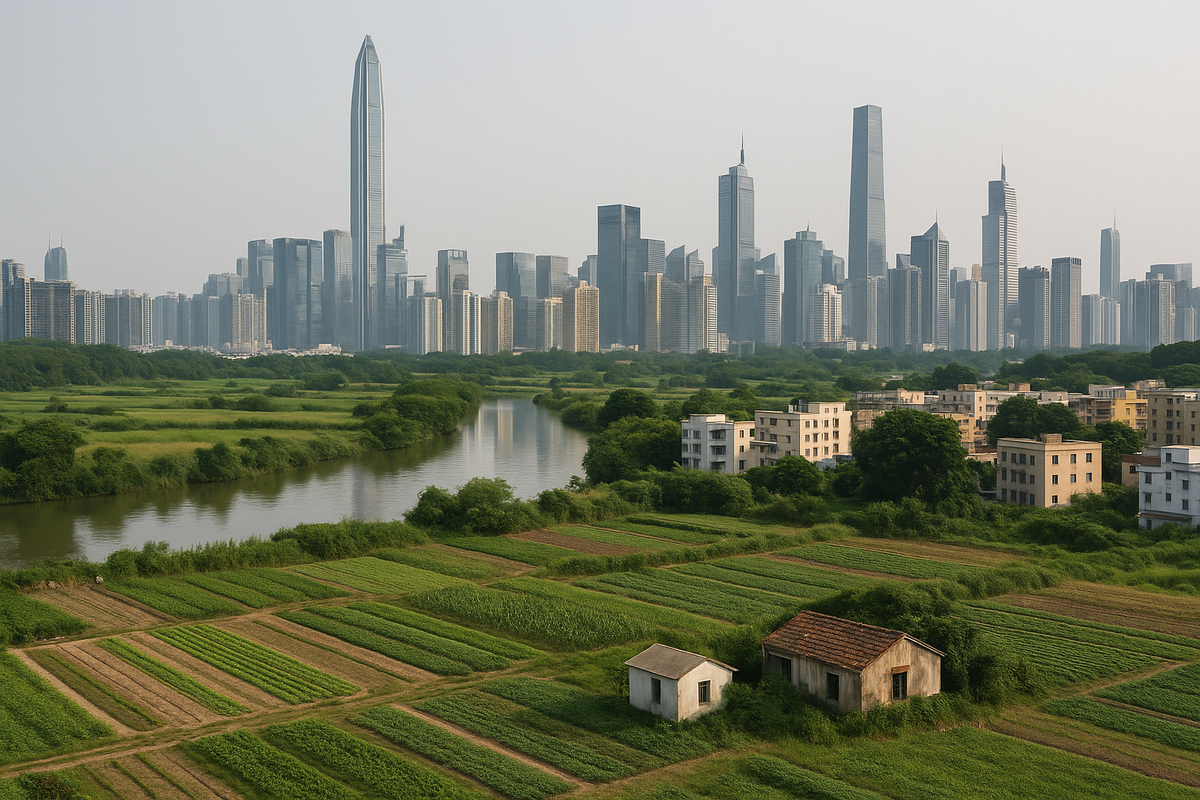
The Economic Story of Shenzhen: From Fishing Village to Tech Hub
In the 1970s, Shenzhen was a small fishing village in China with a struggling economy. Most people earned a low income, working in fishing or farming, and lived in poverty. The village had few resources, with no big industry or jobs to offer. There were no modern roads or buildings, and the infrastructure was very basic, making life hard for the people living there.
In the 1980s, China started new development plans to grow its economy. Shenzhen was chosen as a Special Economic Zone, a place to attract investment from around the world. This brought a lot of capital to the area, helping to build factories and businesses. Trade with other countries increased, and new industries, like electronics, grew quickly. Many companies moved to Shenzhen, creating thousands of employment opportunities for local people and workers from other areas.
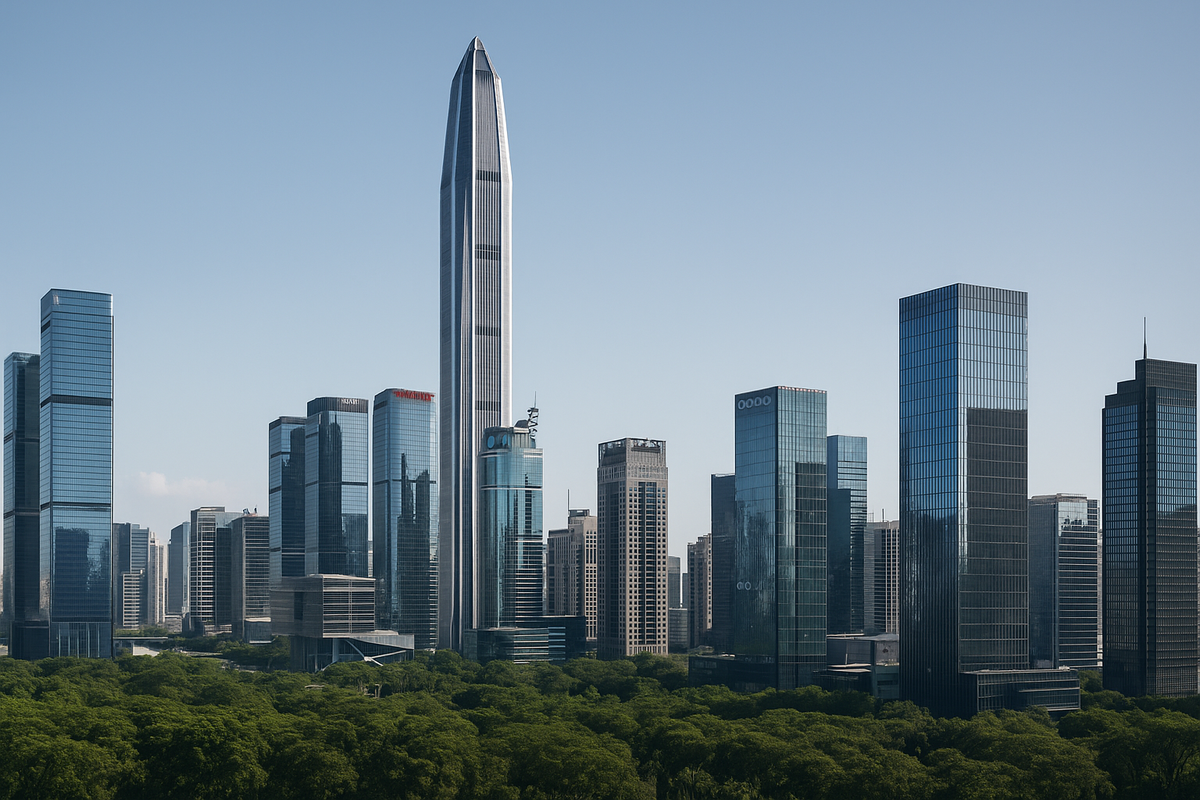
By the 2000s, Shenzhen had become a global tech market, known for its innovation. Companies like Huawei started there, making phones and computers, which helped the city’s growth. The infrastructure improved with tall buildings, new roads, and fast trains. Globalization made Shenzhen a center for technology, and its productivity became one of the highest in China. Today, it is called the “Silicon Valley of China,” showing how fast a small village can change.
However, fast growth has brought challenges. Inequality has increased, as some people became very rich while others stayed poor. The city also faces environmental problems, like air pollution, from its many factories. To solve this, Shenzhen is working on sustainability, using clean energy to protect the environment. The city’s success gives new opportunities to young people, but leaders must be careful to avoid a recession, a time when the economy slows down.
(Word Count: 350 words)
Xem thêm: Từ vựng IELTS Reading theo chủ đề thường gặp
Part B: Vocabulary Boosting
Information | Picture |
|---|---|
economy (noun) - nền kinh tế Shenzhen had a small economy in the 1970s. (Thâm Quyến có nền kinh tế nhỏ vào những năm 1970.) |  |
income (noun) - thu nhập People in Shenzhen had a low income long ago. (Người dân ở Thâm Quyến có thu nhập thấp từ lâu.) |  |
poverty (noun) - nghèo đói Many people in Shenzhen lived in poverty. (Nhiều người ở Thâm Quyến sống trong nghèo đói.) |  |
resources (noun) - tài nguyên Shenzhen had few resources in the past. (Thâm Quyến có ít tài nguyên trong quá khứ.) |  |
industry (noun) - ngành công nghiệp Electronics is a big industry in Shenzhen. (Điện tử là một ngành công nghiệp lớn ở Thâm Quyến.) |  |
infrastructure (noun) - cơ sở hạ tầng Shenzhen’s infrastructure was basic in the 1970s. (Cơ sở hạ tầng của Thâm Quyến rất cơ bản vào những năm 1970.) |  |
development (noun) - sự phát triển China’s development plans helped Shenzhen grow. (Kế hoạch phát triển của Trung Quốc giúp Thâm Quyến phát triển.) |  |
investment (noun) - đầu tư Investment turned Shenzhen into a big city. (Đầu tư biến Thâm Quyến thành một thành phố lớn.) |  |
capital (noun) - vốn Capital helped build factories in Shenzhen. (Vốn giúp xây dựng các nhà máy ở Thâm Quyến.) |  |
trade (noun) - thương mại Trade with other countries increased in Shenzhen. (Thương mại với các quốc gia khác tăng ở Thâm Quyến.) |  |
employment (noun) - việc làm New companies created employment in Shenzhen. (Các công ty mới tạo ra việc làm ở Thâm Quyến.) |  |
market (noun) - thị trường Shenzhen became a global tech market. (Thâm Quyến trở thành một thị trường công nghệ toàn cầu.) |  |
innovation (noun) - sự đổi mới Innovation helped Shenzhen grow in technology. (Sự đổi mới giúp Thâm Quyến phát triển công nghệ.) |  |
growth (noun) - sự tăng trưởng Shenzhen’s growth made it a tech hub. (Sự tăng trưởng của Thâm Quyến biến nó thành trung tâm công nghệ.) |  |
globalization (noun) - toàn cầu hóa Globalization turned Shenzhen into a tech center. |  |
productivity (noun) - năng suất Shenzhen’s productivity is very high now. (Năng suất của Thâm Quyến hiện rất cao.) | |
inequality (noun) - bất bình đẳng Inequality increased with Shenzhen’s growth. (Bất bình đẳng tăng lên cùng với sự tăng trưởng của Thâm Quyến.) |  |
sustainability (noun) - sự bền vững Shenzhen is working on sustainability. (Thâm Quyến đang nỗ lực vì sự bền vững.) | |
opportunity (noun) - cơ hội Shenzhen gives new opportunities to young people. (Thâm Quyến mang lại cơ hội mới cho người trẻ.) |  |
recession (noun) - suy thoái Shenzhen wants to avoid a recession.(Thâm Quyến muốn tránh suy thoái.) |  |
Xem thêm: Tầm quan trọng của việc dự đoán nội dung bài đọc trước khi xử lí các dạng bài IELTS Reading
Part C: Vocabulary Exercise
Exercise 1: Match each word to its correct definition. Write the letter (A-J) next to the word.
Words | Definitions |
|---|---|
| A. The money a person earns from work. |
Exercise 2: Read the passage in Part A about Shenzhen. Decide if each statement below is True (T), False (F), or Not Given (NG). Write T, F, or NG next to each statement.
Shenzhen’s infrastructure improved with new roads and buildings.
Globalization made Shenzhen a fishing village again.
Inequality increased as Shenzhen grew into a big city.
Shenzhen’s productivity is one of the highest in China.
Innovation helped Shenzhen become a tech hub.
Poverty in Shenzhen increased after the 1980s.
Shenzhen used capital to build new factories.
Sustainability is important to solve environmental problems in Shenzhen.
Exercise 3A: Guessing the Meaning of New Vocabulary
Muhammad Yunus: Pioneering Microfinance for Economic Development
Muhammad Yunus is a famous name in development, known for helping poor people escape poverty. In the 1970s, he saw that many people in Bangladesh could not get loans from banks because they were too poor. Yunus started the Grameen Bank to give small loans to women in rural areas, helping them start businesses like sewing or farming. This gave them new employment and improved their income. His idea had a big impact, giving people hope.
The Grameen Bank’s success led to the expansion of microfinance around the world, helping millions of people. Yunus’s work created empowerment for the poor, especially women, by giving them a chance to work and grow. His legacy includes winning the Nobel Peace Prize in 2006 for his efforts. However, microfinance faces barriers, like high interest rates, which make it hard for some people to pay back loans. Yunus continues his advocacy for inclusion, ensuring everyone has a chance to join the economy through fair opportunities.
Instructions: For each underlined word, choose the option that best matches its meaning based on how it is used in the text.
Loans from the Grameen Bank mean:
a) Books for studying
b) Money given to borrow
c) Jobs for women
d) Food for the poorWomen in rural areas refer to:
a) Female teachers
b) Female business owners
c) Female students
d) Female farmers or workersRural areas mean:
a) Big cities
b) Countryside places
c) Schools
d) FactoriesImpact of Yunus’s idea means:
a) A problem it caused
b) A change it made
c) A rule it broke
d) A game it startedExpansion of microfinance means:
a) Closing the bank
b) Growing to more places
c) Reducing loans
d) Stopping helpEmpowerment for the poor means:
a) Giving them power to improve
b) Taking away their jobs
c) Making them study
d) Building new homesLegacy of Yunus means:
a) His future plans
b) His lasting influence
c) His school
d) His moneyBarriers to microfinance mean:
a) Help for the poor
b) Problems that stop progress
c) New loans
d) More jobsAdvocacy for inclusion means:
a) Working to help everyone join
b) Stopping people from working
c) Building more banks
d) Giving away moneyInclusion in the economy means:
a) Keeping people out
b) Letting everyone join
c) Closing businesses
d) Reducing income
Exercise 3B: Short Answer Questions
Instructions: Answer the following questions in complete sentences based on the passage.
What problem did Muhammad Yunus see in Bangladesh?
Who did the Grameen Bank give loans to?
How did loans help women in rural areas?
What was one impact of Yunus’s idea?
How did the Grameen Bank expand?
What does empowerment mean for the poor in this passage?
What is one barrier to microfinance mentioned in the passage?
Why does Yunus advocate for inclusion?
Exercise 4: Answer the following questions based on the reading passage in Part A: The Economic Story of Shenzhen: From Fishing Village to Tech Hub. Choose the best option (A, B, C, or D) for each question.
What is a synonym for "poverty" as used in the passage?
A) Wealth
B) Poorness
C) Success
D) GrowthWhat is a synonym for "development" in the context of the passage?
A) Decline
B) Progress
C) Failure
D) ProblemIn the sentence "China started new development plans to grow its economy," what does "economy" refer to?
A) The fishing industry
B) The country’s system of money
C) The tech market
D) The village of ShenzhenIn the phrase "globalization made Shenzhen a center for technology," what does "globalization" refer to?
A) Closing the city
B) Connecting with the world
C) Reducing trade
D) Building schoolsWhy did Shenzhen become a Special Economic Zone?
A) To stop trade
B) To attract investment
C) To reduce employment
D) To build more farmsWhat kind of industries grew in Shenzhen after the 1980s?
A) Fishing industries
B) Tech industries
C) Farming industries
D) Clothing industriesHow does Shenzhen work on sustainability?
A) By building more factories
B) By using clean energy
C) By increasing pollution
D) By reducing opportunitiesWhich statement below is TRUE according to the passage?
A) Shenzhen is still a small fishing village.
B) Inequality decreased as Shenzhen grew.
C) Shenzhen is known as the Silicon Valley of China.
D) There are no challenges in Shenzhen today.
Part D: Key and Explanation
Exercise 1: Matching Definitions
economy - B (The system of money and business in a country.) - nền kinh tế
trade - C (Buying and selling goods with other countries.) - thương mại
industry - H (A type of business, like technology or farming.) - ngành công nghiệp
employment - E (Jobs or work that people do to earn money.) - việc làm
income - A (The money a person earns from work.) - thu nhập
development - I (The process of improving a country’s economy.) - sự phát triển
investment - G (Money used to start businesses or projects.) - đầu tư
growth - J (When a city or economy gets bigger.) - sự tăng trưởng
market - D (A place where goods are bought and sold.) - thị trường
resources - F (Things like water, wood, or money used to make goods.) - tài nguyên
Exercise 2: True/False/Not Given
1. Shenzhen’s infrastructure improved with new roads and buildings.
Đáp án: True (Đúng)
Trích dẫn: “The infrastructure improved with tall buildings, new roads, and fast trains.”
➡️ Câu hỏi đề cập đến việc cơ sở hạ tầng được cải thiện, điều này hoàn toàn phù hợp với thông tin trong bài.
✅ Chọn True.
2. Globalization made Shenzhen a fishing village again.
Đáp án: False (Sai)
Trích dẫn: “Globalization made Shenzhen a center for technology…”
➡️ Đoạn văn nói rằng toàn cầu hóa biến Thâm Quyến thành trung tâm công nghệ, không phải trở lại làng chài. Câu hỏi nói ngược lại với thông tin trong bài.
✅ Chọn False.
3. Inequality increased as Shenzhen grew into a big city.
Đáp án: True (Đúng)
Trích dẫn: “Inequality has increased, as some people became very rich while others stayed poor.”
➡️ Bài viết xác nhận rằng bất bình đẳng tăng lên khi thành phố phát triển.
✅ Chọn True.
4. Shenzhen’s productivity is one of the highest in China.
Đáp án: True (Đúng)
Trích dẫn: “…its productivity became one of the highest in China.”
➡️ Năng suất của Thâm Quyến được nói rõ là thuộc hàng cao nhất Trung Quốc.
✅ Chọn True.
5. Innovation helped Shenzhen become a tech hub.
Đáp án: True (Đúng)
Trích dẫn: “By the 2000s, Shenzhen had become a global tech market, known for its innovation.”
➡️ Sự đổi mới (innovation) được nêu rõ là yếu tố giúp Thâm Quyến trở thành trung tâm công nghệ.
✅ Chọn True.
6. Poverty in Shenzhen increased after the 1980s.
Đáp án: False (Sai)
Trích dẫn: “In the 1970s, Shenzhen was a small fishing village in China with a struggling economy… lived in poverty.” “In the 1980s, China started new development plans to grow its economy. Shenzhen was chosen as a Special Economic Zone”
➡️ Bài viết nói Thâm Quyến nghèo vào những năm 1970, nhưng sau đó phát triển, không có chi tiết nào nói rằng nghèo đói tăng sau năm 1980. Đoạn văn tiếp tục cung cấp thông tin rằng từ những năm 1980, Trung Quốc đã bắt đầu những kế hoạch phát triển kinh tế của mình. Trong đó Thâm Quyến được chọn như là phân khu kinh tế đặc biệt.
✅ Chọn False.
7. Shenzhen used capital to build new factories.
Đáp án: True (Đúng)
Trích dẫn: “This brought a lot of capital to the area, helping to build factories and businesses.”
➡️ “Capital” (vốn) được sử dụng để xây nhà máy và doanh nghiệp — đúng với nội dung câu hỏi.
✅ Chọn True.
8. Sustainability is important to solve environmental problems in Shenzhen.
Đáp án: True (Đúng)
Trích dẫn: “To solve this, Shenzhen is working on sustainability, using clean energy to protect the environment.”
➡️ Bài viết nói rõ Thâm Quyến đang dùng các giải pháp bền vững để giải quyết vấn đề môi trường như ô nhiễm không khí.
✅ Chọn True.
Exercise 3A: Guessing the Meaning of New Vocabulary
1. Loans from the Grameen Bank mean:
Đáp án: b) Money given to borrow
Trong đoạn văn, Yunus bắt đầu Grameen Bank để cho vay nhỏ tới phụ nữ ở vùng nông thôn: "Yunus started the Grameen Bank to give small loans to women in rural areas..."
➡️ “Loans” ở đây chính là tiền được cho mượn.
✅ Chọn b).
2. Women in rural areas refer to:
Đáp án: d) Female farmers or workers
Trong đoạn: "...helping them start businesses like sewing or farming."
➡️ “Women in rural areas” là những người phụ nữ làm nghề như may mặc, nông nghiệp – tức là lao động ở vùng nông thôn.
✅ Chọn d).
3. Rural areas mean:
Đáp án: b) Countryside places
Cụm “rural areas” xuất hiện cùng với các nghề như "sewing or farming". Đây là những nghề thường thấy ở nông thôn.
➡️ Do đó, “rural areas” nghĩa là vùng nông thôn, không phải thành thị.
✅ Chọn b).
4. Impact of Yunus’s idea means:
Đáp án: b) A change it made
Trong câu: "His idea had a big impact, giving people hope."
➡️ “Impact” ở đây nghĩa là một ảnh hưởng tích cực, tạo ra sự thay đổi – đem lại hy vọng cho người nghèo.
✅ Chọn b).
5. Expansion of microfinance means:
Đáp án: b) Growing to more places
Đoạn văn nói: "The Grameen Bank’s success led to the expansion of microfinance around the world..."
➡️ “Expansion” ở đây chỉ việc lan rộng tài chính vi mô ra khắp thế giới.
✅ Chọn b).
6. Empowerment for the poor means:
Đáp án: a) Giving them power to improve
Câu văn: "Yunus’s work created empowerment for the poor, especially women, by giving them a chance to work and grow."
➡️ “Empowerment” là việc trao quyền, giúp họ tự cải thiện cuộc sống.
✅ Chọn a).
7. Legacy of Yunus means:
Đáp án: b) His lasting influence
Bài viết ghi rõ: "His legacy includes winning the Nobel Peace Prize in 2006 for his efforts."
➡️ “Legacy” là ảnh hưởng lâu dài ông để lại, chứ không phải kế hoạch tương lai hay tài sản vật chất.
✅ Chọn b).
8. Barriers to microfinance mean:
Đáp án: b) Problems that stop progress
Câu văn: "Microfinance faces barriers, like high interest rates, which make it hard for some people to pay back loans."
➡️ “Barriers” là trở ngại, khiến việc trả nợ và tiếp cận tài chính vi mô trở nên khó khăn.
✅ Chọn b).
9. Advocacy for inclusion means:
Đáp án: a) Working to help everyone join
Câu văn: "Yunus continues his advocacy for inclusion, ensuring everyone has a chance to join the economy..."
➡️ “Advocacy for inclusion” nghĩa là hoạt động nhằm đảm bảo mọi người đều có cơ hội tham gia.
✅ Chọn a).
10. Inclusion in the economy means:
Đáp án: b) Letting everyone join
Tiếp theo ở câu trước, Yunus muốn tất cả mọi người, kể cả người nghèo, được tham gia vào nền kinh tế: "everyone has a chance to join the economy through fair opportunities."
➡️ “Inclusion” là cho phép mọi người tham gia, không loại trừ ai.
✅ Chọn b).
Exercise 3B: Short Answer Questions
What problem did Muhammad Yunus see in Bangladesh?
Key: Muhammad Yunus saw that many poor people in Bangladesh could not get loans.
Vietnamese Explanation: Đáp án đúng là nhiều người nghèo ở Bangladesh không thể vay tiền, vì đoạn văn nói rằng Yunus nhận thấy người nghèo không thể vay từ ngân hàng. Các vấn đề khác như thiếu việc làm hoặc giáo dục không được đề cập cụ thể.
Who did the Grameen Bank give loans to?
Key: The Grameen Bank gave loans to women in rural areas.
Vietnamese Explanation: Đáp án đúng là phụ nữ ở khu vực nông thôn, vì đoạn văn nói rằng Grameen Bank cho vay nhỏ cho phụ nữ ở vùng nông thôn để họ bắt đầu kinh doanh. Không có nhóm nào khác được đề cập cụ thể.
How did loans help women in rural areas?
Key: Loans helped women in rural areas start businesses like sewing or farming.
Vietnamese Explanation: Đáp án đúng là khoản vay giúp phụ nữ ở nông thôn bắt đầu kinh doanh như may vá hoặc nông nghiệp, vì đoạn văn nói rõ rằng các khoản vay hỗ trợ họ bắt đầu công việc kinh doanh này. Các lợi ích khác như đi học hoặc xây nhà không được nhắc đến.
What was one impact of Yunus’s idea?
Key: One impact of Yunus’s idea was giving hope to poor people.
Vietnamese Explanation: Đáp án đúng là mang lại hy vọng cho người nghèo, vì đoạn văn nói rằng ý tưởng của Yunus đã có tác động lớn, mang lại hy vọng cho người nghèo. Các tác động khác như tăng dân số hoặc giảm việc làm không được đề cập.
How did the Grameen Bank expand?
Key: The Grameen Bank expanded microfinance to many places around the world.
Vietnamese Explanation: Đáp án đúng là Grameen Bank mở rộng tài chính vi mô đến nhiều nơi trên thế giới, vì đoạn văn nói rằng sự thành công của ngân hàng dẫn đến sự mở rộng (expansion) tài chính vi mô toàn cầu. Các cách mở rộng khác như xây chi nhánh mới không được đề cập cụ thể.
What does empowerment mean for the poor in this passage?
Key: Empowerment for the poor means giving them a chance to work and grow.
Vietnamese Explanation: Đáp án đúng là trao quyền cho người nghèo nghĩa là cho họ cơ hội làm việc và phát triển, vì đoạn văn nói rằng sự trao quyền (empowerment) giúp người nghèo, đặc biệt là phụ nữ, có cơ hội làm việc và phát triển. Các ý nghĩa khác như đi học hoặc giàu có không được đề cập.
What is one barrier to microfinance mentioned in the passage?
Key: One barrier to microfinance is high interest rates.
Vietnamese Explanation: Đáp án đúng là lãi suất cao, vì đoạn văn nói rằng tài chính vi mô gặp rào cản (barriers) như lãi suất cao, khiến một số người khó trả nợ. Các rào cản khác như thiếu vốn hoặc luật pháp không được đề cập.
Why does Yunus advocate for inclusion?
Key: Yunus advocates for inclusion to ensure everyone can join the economy.
Vietnamese Explanation: Đáp án đúng là để đảm bảo mọi người có thể tham gia vào nền kinh tế, vì đoạn văn nói rằng Yunus vận động (advocacy) cho sự bao gồm (inclusion) để mọi người có cơ hội tham gia kinh tế. Các lý do khác như tăng việc làm hoặc giáo dục không được đề cập cụ thể.
Exercise 4: Comprehension Questions Based on Part A
What is a synonym for "poverty" as used in the passage?
Key: B) Poorness
Vietnamese Explanation: Đáp án đúng là "Poorness" (nghèo đói), vì "poverty" trong đoạn văn nói về tình trạng nghèo khó của người dân Thâm Quyến vào những năm 1970, có nghĩa là sự nghèo đói. "Wealth" (giàu có) là trái ngược, còn "Success" (thành công) và "Growth" (tăng trưởng) không liên quan.
What is a synonym for "development" in the context of the passage?
Key: B) Progress
Vietnamese Explanation: Đáp án đúng là "Progress" (tiến bộ), vì "development" trong đoạn văn nói về sự phát triển kinh tế của Thâm Quyến, có nghĩa là tiến bộ. "Decline" (suy giảm) và "Failure" (thất bại) là trái ngược, còn "Problem" (vấn đề) không phù hợp.
In the sentence "China started new development plans to grow its economy," what does "economy" refer to?
Key: B) The country’s system of money
Vietnamese Explanation: Đáp án đúng là "The country’s system of money" (hệ thống tiền tệ của quốc gia), vì "economy" trong câu ám chỉ nền kinh tế của Trung Quốc, tức là hệ thống kinh tế quốc gia. "The fishing industry" (ngành đánh cá) và "The village of Shenzhen" (làng Thâm Quyến) quá hẹp, còn "The tech market" (thị trường công nghệ) không đúng ngữ cảnh.
In the phrase "globalization made Shenzhen a center for technology," what does "globalization" refer to?
Key: B) Connecting with the world
Vietnamese Explanation: Đáp án đúng là "Connecting with the world" (kết nối với thế giới), vì "globalization" trong đoạn văn nói về việc Thâm Quyến trở thành trung tâm công nghệ nhờ toàn cầu hóa, tức là kết nối với thế giới. "Closing the city" (đóng cửa thành phố) và "Reducing trade" (giảm thương mại) là sai, còn "Building schools" (xây trường học) không liên quan.
Why did Shenzhen become a Special Economic Zone?
Key: B) To attract investment
Vietnamese Explanation: Đáp án đúng là "To attract investment" (để thu hút đầu tư), vì đoạn văn nói rằng Thâm Quyến được chọn làm Khu Kinh tế Đặc biệt để thu hút đầu tư (investment). "To stop trade" (dừng thương mại) và "To reduce employment" (giảm việc làm) là sai, còn "To build more farms" (xây thêm trang trại) không được đề cập.
What kind of industries grew in Shenzhen after the 1980s?
Key: B) Tech industries
Vietnamese Explanation: Đáp án đúng là "Tech industries" (ngành công nghệ), vì đoạn văn nói rằng các ngành công nghiệp như điện tử (electronics) phát triển ở Thâm Quyến, đặc biệt với các công ty công nghệ như Huawei. "Fishing industries" (ngành đánh cá), "Farming industries" (ngành nông nghiệp), và "Clothing industries" (ngành may mặc) không được nhắc đến.
How does Shenzhen work on sustainability?
Key: B) By using clean energy
Vietnamese Explanation: Đáp án đúng là "By using clean energy" (bằng cách sử dụng năng lượng sạch), vì đoạn văn nói rằng Thâm Quyến đang làm việc vì sự bền vững (sustainability) bằng cách sử dụng năng lượng sạch để bảo vệ môi trường. "By building more factories" (xây thêm nhà máy) và "By increasing pollution" (tăng ô nhiễm) là sai, còn "By reducing opportunities" (giảm cơ hội) không đúng.
Which statement below is TRUE according to the passage?
Key: C) Shenzhen is known as the Silicon Valley of China.
Vietnamese Explanation: Đáp án đúng là "Shenzhen is known as the Silicon Valley of China" (Thâm Quyến được gọi là Thung lũng Silicon của Trung Quốc), vì đoạn văn nói rõ rằng Thâm Quyến được gọi như vậy do sự phát triển công nghệ. "Shenzhen is still a small fishing village" (vẫn là làng chài nhỏ) và "Inequality decreased as Shenzhen grew" (bất bình đẳng giảm) là sai, còn "There are no challenges in Shenzhen today" (không có thách thức) không đúng vì đoạn văn đề cập đến các vấn đề như bất bình đẳng và ô nhiễm.
Unit 8 đã mang đến cái nhìn sâu sắc về Phát triển Kinh tế, từ sự chuyển đổi của Thâm Quyến thành trung tâm công nghệ đến đóng góp của Muhammad Yunus trong tài chính vi mô. Bạn đã học các từ vựng quan trọng như đầu tư, bất bình đẳng và trao quyền, giúp hiểu rõ hơn về sự phát triển kinh tế. Đồng thời, đơn vị nhấn mạnh tầm quan trọng của đổi mới và sự bao gồm. Những kiến thức này sẽ hỗ trợ bạn đọc hiểu các đoạn văn IELTS về kinh tế một cách hiệu quả.
Để nâng cao năng lực và giúp thí sinh chuẩn bị kỹ càng cho kỳ thi IELTS, ZIM mang đến môi trường học tập phù hợp với lộ trình cá nhân hóa, giúp bạn nắm chắc kiến thức và tự tin bước vào phòng thi. Ngoài ra, người học có thể cân nhắc tham khảo kho tàng sách từ vựng, ngữ pháp, v.v đa dạng chủ đề tại ZIM nhằm hỗ trợ thêm trong quá trình ôn luyện.
- Học từ vựng IELTS Reading theo Conceptual Learning
- Học từ vựng IELTS Reading theo Conceptual Learning: Các khám phá và phát hiện khảo cổ
- Học từ vựng IELTS Reading theo Conceptual Learning: Giá trị Lịch Sử và Văn Hóa từ khảo cổ
- Học từ vựng IELTS Reading theo Conceptual Learning: Công nghệ trong khảo cổ
- Từ vựng IELTS Reading General Training Section 1 - Chủ đề: Sử dụng nước
- Từ vựng IELTS Reading General Training Section 1 - Chủ đề: Tái chế rác thải
- Từ vựng IELTS Reading General Training Section 1 - Chủ đề: Phương tiện công cộng
- Từ vựng IELTS Reading General Training Section 1 - Chủ đề: Công viên địa phương
- Từ vựng IELTS Reading General Training Section 1 - Chủ đề: Các khoá học cho người lớn
- Từ vựng IELTS Reading General Training Section 1 - Chủ đề: Dịch vụ thư viện
- Từ vựng IELTS Reading General Training Section 1 - Chủ đề: Hoạt động tình nguyện
Tham vấn chuyên môn
Thạc sĩ TESOL do Đại học Benedictine, Hoa Kỳ cấp.
Đạt band 8.0 IELTS.
Triết lý giảng dạy: Giảng dạy không chỉ là một nghề, nó là trụ cột của xã hội.
Bình luận - Hỏi đáp